Oregano oil: carvacrol, dose, and cost
Quick answer
The label detail that decides value is carvacrol content, not just mg of oil — so compare oregano oil products by cost per serving at a stated carvacrol level.
Alex Soto, Founder, VitaminDB
6 min readUpdated 8/1/2026
On this page
The single label detail that decides whether an oregano oil is worth it is carvacrol content — not just "mg of oil" — so compare products by cost per serving at a stated carvacrol level. Oregano oil is marketed for immune and gut support, its main active is carvacrol, and the honest read on the human evidence is that it's limited and preliminary, even though the lab data looks real.
We sell nothing. We rank oregano oil by cost per serving.
What oregano oil is
"Oil of oregano" is a concentrated extract of the oregano plant, sold as softgels, capsules, or liquid drops. Its most-studied active compound is carvacrol, a phenolic compound that gives oregano much of its punch. Better products state a carvacrol percentage (standardization) or a milligram amount of carvacrol per serving.
That distinction is the whole game. Two bottles can both say "150 mg of oregano oil" and deliver very different amounts of carvacrol. The carvacrol number, where it's disclosed, is the one to read.
What the evidence actually says
Here's the honest framing. Carvacrol has real antimicrobial activity in the lab — in-vitro (test-tube) studies show it acting against various microbes, and that's not marketing hype. The gap is between the lab dish and a person:
- Human evidence for oral oregano oil treating infections is limited and preliminary.
- What works in a controlled in-vitro setting doesn't automatically translate to the same effect once swallowed, digested, and diluted through the body.
- The immune and gut-support claims are best treated as plausible but unproven.
So it's reasonable to be interested in oregano oil, and dishonest to promise it clears infections. It is not a replacement for medical care when you're actually sick. None of this is medical advice.
The dose depends on concentration
There isn't one universal dose, because products differ so much in strength. Doses vary widely by concentration, which is exactly why the raw "mg of oil" figure is a weak guide:
- A low-carvacrol product may list a large oil amount and still deliver little active.
- A standardized product may use a smaller oil amount but state a specific carvacrol content.
Follow the product's own serving instructions, and when comparing, anchor on carvacrol per serving rather than oil weight. If you're unsure how it fits your situation, ask a clinician.
Safety: potent, and an irritant undiluted
Oregano oil is strong, and that has a downside. Undiluted oregano oil can irritate the mouth, throat, and stomach. A few practical points:
- Capsules and softgels deliver a measured amount and bypass the mouth/throat burn — gentler for most people.
- If using liquid drops, they're generally meant to be diluted (for example in a carrier oil or water per the label), not taken neat.
- It's generally best avoided in pregnancy.
- If you take medications or have a health condition, check with a clinician first.
Potency is the point of the product and the reason to handle it carefully.
How to compare oregano oil by cost
Because carvacrol content varies so much, price per bottle is close to meaningless. Normalize to servings at a known strength:
- Find the carvacrol content per serving (or the standardization percentage).
- Count the servings per bottle.
- Cost per serving = price ÷ servings — then check you're comparing similar carvacrol amounts.
A cheap bottle that delivers little carvacrol isn't actually the better deal; a slightly pricier standardized product can cost less per unit of the active you care about.
Our best oregano oil by cost per serving page ranks products cheapest-first; browse listings on the oregano oil nutrient page, and see how we normalize servings in our methodology.
Bottom line
- Oregano oil is marketed for immune and gut support; its main active is carvacrol.
- Lab (in-vitro) antimicrobial activity is real, but human evidence for treating infections is limited — treat benefits as unproven.
- The label detail that matters is carvacrol content, not just mg of oil.
- Undiluted oil can irritate — prefer capsules/softgels or proper dilution; avoid in pregnancy.
- Buy on cost per serving at a stated carvacrol level, not per bottle.
Read the carvacrol number, handle the potency with care, and price it per serving. This is general information, not medical advice.
Covered nutrients: Oregano oil
See the live cost-per-dose data
This guide is editorial — the prices below are real and current.
Frequently asked questions
What is oregano oil good for?
It's most often marketed for immune and gut support. Its main active compound, carvacrol, shows real antimicrobial activity in lab (in-vitro) tests. But human evidence for oral oregano oil treating infections is limited and preliminary, so those benefits are best treated as plausible rather than proven. It is not a substitute for medical care. Not medical advice.
What should I look for on an oregano oil label?
The detail that matters most is carvacrol content — often shown as a standardized percentage or a milligram amount of carvacrol per serving. Two products with the same 'mg of oil' can differ a lot in carvacrol, which is the active being studied, so read that number rather than just the oil weight.
Is oregano oil safe?
Undiluted oregano oil is potent and can irritate the mouth, throat, and stomach, so capsules, softgels, or properly diluted forms are gentler. It is generally best avoided in pregnancy. If you take medications or have a health condition, check with a clinician before using it. Not medical advice.
How do I compare oregano oil products on cost?
Compare cost per serving at a stated carvacrol level, not price per bottle. Find the carvacrol content per serving, count the servings in the bottle, and divide price by servings — then check that you're comparing similar carvacrol amounts. A cheap bottle with little carvacrol isn't actually cheaper.
Where these numbers come from
Cost figures on this page are computed from 24 active Oregano oil listings we track, last re-priced . Cost per dose is price ÷ (servings × dose), computed per listing — not a price we are quoted. Listings under $1 or with fewer than 3 servings are excluded, because both are usually a parse error rather than a bargain.
- Amazon.com · 24
Prices move. Figures written into the text are re-checked against live data on a schedule; the ranking pages are always the current number.
Deals on these nutrients
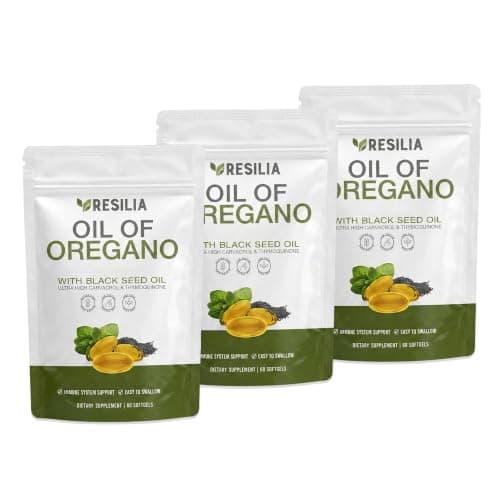
Resilia Oil Of Oregano Softgels with Black Seed Oil…
Cost per serving
$0.33
180 servings · ~180-day supply

Oil of Oregano Capsules with Black Seed Oil
Cost per serving
$0.10
240 servings · ~240-day supply

Resilia Softgels with Black Seed Oil – Premium Grade Oregano…
Cost per serving
$0.50
60 servings · ~60-day supply
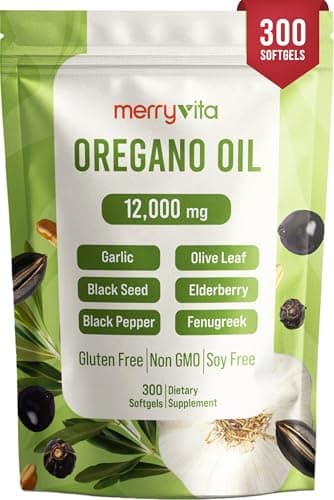
MERRY VITA Oil of Oregano with Black Seed Oil– Oregano Oil…
Cost per serving
$0.10
300 servings · ~300-day supply
Related guides
Ubiquinol vs ubiquinone: which CoQ10 is worth it
Ubiquinol absorbs somewhat better, but it costs about 2.5x more per 100 mg than ubiquinone — a median $0.335 vs $0.133 across 55 listings we price. What that gap is worth, the dose, and the statin question.
P-5-P vs regular vitamin B6: is the active form worth it?
P-5-P costs about 2x more per 50 mg than plain pyridoxine — a median $0.146 vs $0.071 across 56 listings we price. Most healthy people convert plain B6 fine, so here is what the premium buys, and the safety ceiling that matters more than either form.
Beetroot vs citrulline: which for pumps, and which for endurance
Both raise nitric oxide, but by different routes and for different goals — beetroot has the endurance edge, citrulline is the gym-pump staple. Doses, the honest split, and cost per dose.
Beta-alanine: dose, the tingling, and what it actually does
Beta-alanine buffers muscle acid to extend high-intensity efforts in the 1–4 minute range. It works by loading over weeks, not as a pre-workout kick. Real dose, why it tingles, and cost per serving.