Potassium supplements: why they're capped at 99 mg, and what it costs
Quick answer
OTC potassium is capped at about 99 mg per pill — roughly 3% of the 2,600–3,400 mg adults need daily — so supplements are a small top-up, not a way to hit your target; get most potassium from food, and compare supplements by cost per 99 mg dose.
Alex Soto, Founder, VitaminDB
6 min readUpdated 8/1/2026 NIH-sourced
On this page
If you've noticed that nearly every over-the-counter potassium supplement says 99 mg, that's not a coincidence — it's effectively a ceiling. The FDA effectively caps non-prescription solid oral potassium at about 99 mg per unit, so a single pill delivers roughly 3% of the 2,600–3,400 mg an adult needs each day. The practical takeaway: supplements are a small top-up, not a way to hit your target. Most of your potassium is meant to come from food, and because the dose is fixed, you compare products on cost per 99 mg pill.
We sell nothing. We rank potassium by cost per dose.
Why the 99 mg cap exists
The limit is a safety decision, not a labeling quirk. The FDA effectively caps non-prescription solid oral potassium at roughly 99 mg per unit — higher solid-oral doses require a warning label — because higher doses in that form have been linked to small-bowel injury — concentrated potassium sitting against the gut lining can cause damage.
There's a second safety reason behind keeping OTC doses small: high potassium is dangerous for the heart, particularly in people whose bodies can't clear it well — those with kidney problems or on certain medications (more on that below). Keeping each pill to 99 mg makes an accidental overload far less likely from a bottle you can buy without a prescription. Higher-dose potassium exists, but it's prescription-controlled for exactly these reasons.
The NIH Office of Dietary Supplements describes the same practice from the manufacturers' side: most potassium-only supplements contain up to 99 mg, which it notes is only about 2% of the Daily Value, and makers limit it because of concerns tied to potassium-containing drugs. Worth knowing before you compare pills: the trials that lowered blood pressure used 20 to 120 mmol a day — 782 to 4,692 mg, doses no 99 mg tablet reaches.
How much potassium you actually need
The daily adequate intake for adults is roughly 2,600 to 3,400 mg, depending on age and sex. Set that next to a 99 mg pill and the math is stark: one pill is about 3% of the day's target. You would need dozens to reach the number — which is neither the intent nor safe.
Potassium is designed to come mostly from food:
- Fruits — bananas, oranges, dried apricots, cantaloupe
- Vegetables — potatoes, spinach, tomatoes, beans and lentils
- Dairy — milk and yogurt
A supplement can be a minor top-up around a diet that's a little short, but it cannot stand in for eating potassium-rich foods. If your intake is low, the fix is on the plate first.
The forms you'll see
OTC potassium comes in a few salt forms, all held to the same 99 mg cap:
- Potassium citrate
- Potassium gluconate
- Potassium chloride
For a small daily top-up the form is a minor consideration; the fixed 99 mg dose and the price matter more than which salt it is. If a clinician has recommended a specific form for a specific reason, follow that.
Who must not supplement without medical advice
This is the part to take seriously. Some people can build potassium to dangerous levels, and for them even OTC pills are a real risk. Do not supplement potassium without a clinician's guidance if you:
- Have kidney disease or reduced kidney function
- Take ACE inhibitors or ARBs (common blood-pressure medicines)
- Take potassium-sparing diuretics
In these situations the body may not clear potassium normally, and adding more can push blood levels too high, which affects the heart. If any of these apply to you, talk to a clinician before taking a potassium product. None of this is medical advice — it's a flag to take the conversation to a professional.
How to compare potassium by cost per dose
Because almost every OTC product is fixed at 99 mg per pill, comparison is unusually clean — the dose is already standardized for you:
- Cost per dose = bottle price ÷ number of pills.
- Confirm it's 99 mg per pill (nearly all are) so you're comparing like with like.
- Note added ingredients — some products bundle other minerals; if you only want potassium, the plain version is usually the better value.
Our best potassium by cost per dose page ranks products cheapest-first; browse listings on the potassium nutrient page, and see how we standardize dose and servings in our methodology.
Bottom line
- OTC potassium is capped near 99 mg per pill — an FDA restriction tied to small-bowel injury risk.
- That's about 3% of the 2,600–3,400 mg adults need daily, so supplements are a top-up, not a target.
- Get most potassium from food — fruits, vegetables, dairy.
- If you have kidney disease or take ACE inhibitors, ARBs, or potassium-sparing diuretics, don't supplement without medical advice.
With the dose fixed at 99 mg, just buy the cheapest cost per pill. This is general information, not medical advice.
Covered nutrients: Potassium
See the live cost-per-dose data
This guide is editorial — the prices below are real and current.
Frequently asked questions
Why are potassium supplements only 99 mg?
The FDA effectively caps non-prescription solid oral potassium at about 99 mg per unit because higher doses have been linked to small-bowel injury. High potassium can also be dangerous for the heart, especially in people with kidney problems or on certain medications. The 99 mg cap keeps OTC pills to a small, safer top-up. This is general information, not medical advice.
Can supplements meet my potassium needs?
No. Adults need roughly 2,600 to 3,400 mg of potassium a day, and a 99 mg pill is about 3% of that — you would need dozens to reach the target, which is neither the intent nor safe. Potassium intake is meant to come mostly from food such as fruits, vegetables, and dairy. Treat supplements as a minor top-up, not a substitute for diet. Not medical advice.
Who should avoid potassium supplements?
Anyone with kidney disease, or taking ACE inhibitors, ARBs, or potassium-sparing diuretics, should not supplement potassium without medical advice, because these conditions and drugs can cause potassium to build to dangerous levels. If that describes you, talk to a clinician before taking any potassium product. Not medical advice.
How do I compare potassium supplements on cost?
Since almost every product is 99 mg per pill, the fair comparison is cost per 99 mg dose: divide the bottle price by the number of pills. Watch the form and any added ingredients, but at a fixed 99 mg the per-pill price is what separates good value from overpriced.
Where these numbers come from
Cost figures on this page are computed from 58 active Potassium listings we track, last re-priced . Cost per dose is price ÷ (servings × dose), computed per listing — not a price we are quoted. Listings under $1 or with fewer than 3 servings are excluded, because both are usually a parse error rather than a bargain.
- Amazon.com · 56
- SuperSmart · 2
Prices move. Figures written into the text are re-checked against live data on a schedule; the ranking pages are always the current number.
Sources
Health claims on this page are drawn from these sources. Prices and cost-per-dose figures come from our own tracked listings, not from the sources below.
- 1.Potassium: Fact Sheet for Health Professionals — NIH Office of Dietary Supplements
Deals on these nutrients
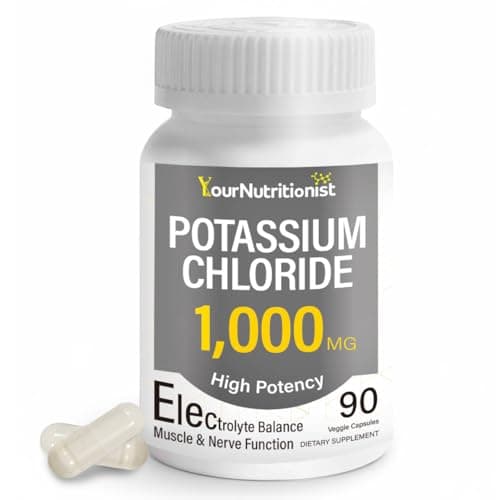
High Potency Potassium Chloride 1000mg Potassium Supplement…
Cost per serving
$0.22
90 servings · ~90-day supply
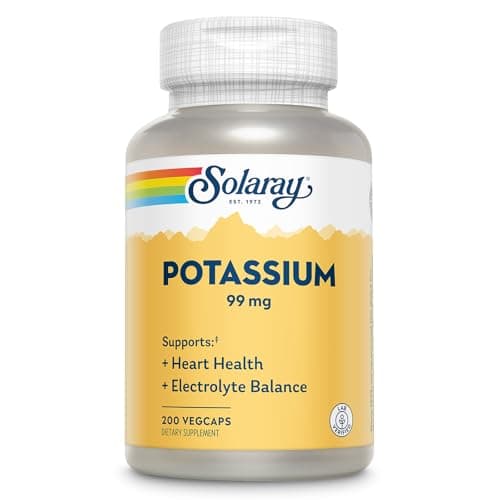
Solaray Potassium 99 mg - Electrolyte Balance Formula…
Cost per serving
$0.07
200 servings · ~200-day supply
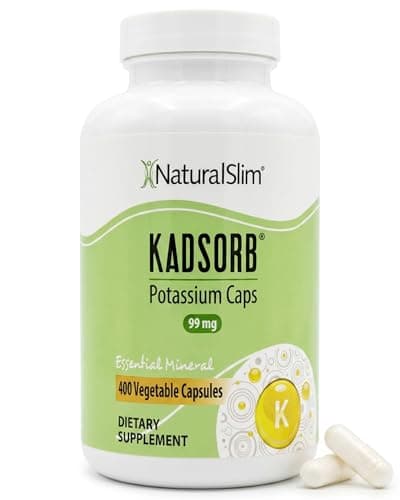
NaturalSlim Natural Potassium Citrate Gluconate 99 mg…
Cost per serving
$0.07
400 servings · ~400-day supply

Life Enhancement High Potency 1020 mg Potassium Supplement…
Cost per serving
$0.11
120 servings · ~120-day supply
Related guides
Electrolytes 101: sodium, potassium, magnesium — who needs them and how to dose
Most people get enough from food. The ones who actually benefit from supplementing are heavy sweaters, low-carb/keto eaters, and people in heat. What each electrolyte does, smart dosing, and the potassium safety catch.
Ubiquinol vs ubiquinone: which CoQ10 is worth it
Ubiquinol absorbs somewhat better, but it costs about 2.5x more per 100 mg than ubiquinone — a median $0.335 vs $0.133 across 55 listings we price. What that gap is worth, the dose, and the statin question.
P-5-P vs regular vitamin B6: is the active form worth it?
P-5-P costs about 2x more per 50 mg than plain pyridoxine — a median $0.146 vs $0.071 across 56 listings we price. Most healthy people convert plain B6 fine, so here is what the premium buys, and the safety ceiling that matters more than either form.
Beetroot vs citrulline: which for pumps, and which for endurance
Both raise nitric oxide, but by different routes and for different goals — beetroot has the endurance edge, citrulline is the gym-pump staple. Doses, the honest split, and cost per dose.