Electrolytes 101: sodium, potassium, magnesium — who needs them and how to dose
Quick answer
Most people get enough from food. The ones who actually benefit from supplementing are heavy sweaters, low-carb/keto eaters, and people in heat. What each electrolyte does, smart dosing, and the potassium safety catch.
Alex Soto, Founder, VitaminDB
6 min readUpdated 6/28/2026 NIH-sourced
On this page
"Electrolytes" is one of the most over-marketed supplement categories — sold to everyone when only some people actually need to supplement them. Here's who does, and how to do it sensibly.
What electrolytes do
Sodium, potassium, magnesium (and chloride, calcium) carry the electrical charge your nerves and muscles run on, and they govern fluid balance and hydration. You lose them mainly through sweat and urine. The question isn't "are they important" (they're essential) — it's "do you need to supplement them," and for most people the answer is no.
Who actually benefits from supplementing
- Heavy sweaters / endurance athletes — long or hot sessions lose meaningful sodium (and some potassium/magnesium).
- Low-carb / keto eaters — cutting carbs drops insulin, which makes the kidneys excrete more sodium and water; the classic "keto flu" is largely an electrolyte/water shift.
- Prolonged heat, illness, or fluid loss — sweating, vomiting, or diarrhea.
If you're none of these and eat a normal diet, a daily electrolyte sachet is mostly expensive flavoring.
How to dose each one
Sodium
The one most people over-consume — but low-carb eaters and heavy sweaters may genuinely need more. Get it from salt (in food or a pinch in water), not pricey pills. Caution if you have high blood pressure.
Potassium
Aim for roughly 4,700 mg/day — but from food, not supplements. US OTC potassium pills are capped near 99 mg — the NIH notes most potassium-only supplements contain up to 99 mg, about 2% of the Daily Value (a rounding error vs the target) because high-dose potassium is dangerous for the heart in people with kidney issues. Best sources: potatoes, beans, leafy greens, dried fruit, yogurt. See the potassium hub. Do not take potassium supplements if you have kidney disease or take ACE inhibitors / potassium-sparing diuretics without medical advice.
Magnesium
The electrolyte most people are genuinely a bit low on, and the one where a supplement makes the most sense. Glycinate is well absorbed and gentle; keep supplemental magnesium at or below 350 mg/day (above that causes loose stools). Details in magnesium forms decoded; current value picks on the magnesium hub and best-value magnesium.
How to buy without overpaying
Branded electrolyte sachets carry a big markup. If you genuinely need electrolytes, you can often replicate them far cheaper with salt + a magnesium supplement + potassium-rich food. When you do buy a magnesium product, compare on cost per dose, not the sticker price.
Bottom line
Electrolyte supplements are for sweaters, keto eaters, and heat/illness — not everyone. Get sodium from salt, potassium from food (pills are capped + risky for some), and magnesium from a well-absorbed supplement under 350 mg/day. Skip the premium sachets unless you're in one of those groups.
Covered nutrients: Electrolytes, Potassium, Magnesium, Sodium Bicarbonate
See the live cost-per-dose data
This guide is editorial — the prices below are real and current.
Frequently asked questions
Do I need an electrolyte supplement?
Most people on a normal diet don't. The groups who genuinely benefit are heavy sweaters and endurance athletes, people on low-carb/keto diets (which flush sodium and water), and anyone in prolonged heat or with significant fluid loss. For everyone else, food covers it.
Why is potassium in supplements such a tiny dose?
By law, US over-the-counter potassium pills are capped at about 99 mg — a fraction of the ~4,700 mg daily target — because high-dose potassium can be dangerous for the heart in people with impaired kidney function. The practical takeaway is to get potassium from food (potatoes, beans, leafy greens, fruit), not pills.
Can electrolyte supplements be harmful?
They can for specific people. Excess sodium is a concern with high blood pressure; potassium is risky in chronic kidney disease or on ACE inhibitors and potassium-sparing diuretics; and supplemental magnesium over 350 mg/day causes diarrhea. If any of those apply to you, check with a clinician first. General references, not medical advice.
Where these numbers come from
Cost figures on this page are computed from 251 active Electrolytes / Potassium / Magnesium / Sodium Bicarbonate listings we track, last re-priced . Cost per dose is price ÷ (servings × dose), computed per listing — not a price we are quoted. Listings under $1 or with fewer than 3 servings are excluded, because both are usually a parse error rather than a bargain.
- Amazon.com · 247
- SuperSmart · 4
Prices move. Figures written into the text are re-checked against live data on a schedule; the ranking pages are always the current number.
Sources
Health claims on this page are drawn from these sources. Prices and cost-per-dose figures come from our own tracked listings, not from the sources below.
- 1.Potassium: Fact Sheet for Health Professionals — NIH Office of Dietary Supplements
- 2.Magnesium: Fact Sheet for Health Professionals — NIH Office of Dietary Supplements
- 3.Sodium Bicarbonate — StatPearls, NCBI Bookshelf
Deals on these nutrients

Totaria Magnesium Complex 700mg 12 in 1 Magnesium Supplement…
Cost per serving
$0.18
120 servings · ~120-day supply

Magnesium Citrate Capsules 1000mg | High Absorption Supplement…
Cost per serving
$0.15
120 servings · ~120-day supply

Enerlix Saffron Gummies 88.5 mg with Magnesium
Cost per serving
$0.31
60 servings · ~60-day supply
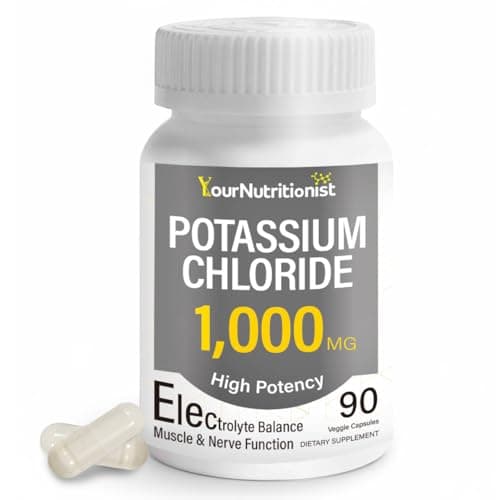
High Potency Potassium Chloride 1000mg Potassium Supplement…
Cost per serving
$0.22
90 servings · ~90-day supply
Related guides
Best time to take your supplements: a per-nutrient cheat sheet
Fat-soluble vitamins with a meal, magnesium in the evening, iron on an empty stomach with vitamin C, and the pairs you should NOT take together. A practical, evidence-based timing guide.
Potassium supplements: why they're capped at 99 mg, and what it costs
Almost all OTC potassium supplements are capped at 99 mg per pill — about 3% of your daily need. Here's the FDA reason behind the cap, why food does the work, and how to compare cost.
Which supplements not to take together: an honest timing guide
A practical guide to spacing supplements for absorption and safety: calcium vs iron and zinc, iron with vitamin C, zinc and copper, fat-soluble vitamins, and medications.
The Full GLP-1 Supplement Stack: What to Take & Cost Per Day
A cost-per-dose companion supplement stack for GLP-1 users (Ozempic/Mounjaro): protein, vitamin D, magnesium, B12, omega-3 — and the full daily cost.