Rhodiola vs ashwagandha: which adaptogen for your kind of stress
Quick answer
Match the herb to the stress: ashwagandha is calming — best for anxious, wired, can't-switch-off stress and sleep (300–600 mg KSM-66, evening). Rhodiola is activating — best for fatigue, burnout, and mental stamina (200–600 mg standardized to 3% rosavins, morning). Wired → ashwagandha; tired → rhodiola.
Alex Soto, Founder, VitaminDB
6 min readUpdated 8/14/2026 NIH-sourced
Rhodiola
activating
Ashwagandha
calming
Effect
Best for
When to take
Studied dose
Verdict: Neither wins outright — they treat opposite ends of stress. Rhodiola is stimulating (fatigue, burnout, focus, taken in the morning); ashwagandha is calming (anxious/wired stress, sleep, taken in the evening). Pick by whether your stress feels tired or wired. Not medical advice.
On this page
"Which adaptogen should I take?" usually gets answered with a coin flip. It shouldn't — rhodiola and ashwagandha are the two most popular stress herbs, and they do close to opposite things.
Same category, opposite direction
Both are "adaptogens" — herbs studied for helping the body handle stress. But the feel is different:
- Ashwagandha is calming. It's the one behind most of the stress, anxiety, and sleep research. If your stress is the wired, anxious, can't-switch-off kind, this is the fit.
- Rhodiola is activating. It's studied more for fatigue, burnout, and mental stamina. If your stress is the tired, foggy, running-on-empty kind, this is the fit.
The quick test: wired → ashwagandha, tired → rhodiola.
The doses that matter
Standardization is what you're actually buying:
- Rhodiola: 200–600 mg/day of an extract standardized to 3% rosavins and 1% salidroside (the "3/1" you'll see on good labels). Take it in the morning — it can be mildly stimulating.
- Ashwagandha: 300–600 mg/day of a named standardized root extract (KSM-66 backs most of the stress/sleep research). Often taken in the evening.
A "1,000 mg rhodiola" with no rosavin figure, or raw ashwagandha powder with no extract named, tells you nothing about the active dose.
NCCIH is more cautious than either product's marketing. On rhodiola: there isn't enough reliable evidence to determine whether it is useful for any health-related purpose. On ashwagandha: there is not enough information to draw conclusions about long-term safety, and although rare, a number of cases have linked liver injury to ashwagandha supplements.
Can you take both?
Yes — and it's a common stack: rhodiola in the morning for drive and focus, ashwagandha at night to wind down. Because they pull opposite ways, they don't cancel out so much as cover different hours. Start one at a time so you can actually tell what each does, and clear it with a clinician if you're on medication.
How to buy without overpaying
Both are cheap at their studied doses, so value comes down to the standardization, not the sticker. Find a standardized extract at the right dose and compare what a real daily dose costs on the rhodiola hub and the ashwagandha hub (methodology).
Bottom line
They're not interchangeable. Ashwagandha calms (wired stress, sleep, 300–600 mg KSM-66, evening); rhodiola activates (fatigue, burnout, 200–600 mg 3% rosavins, morning). Match the herb to how your stress actually feels — or run both, at opposite ends of the day. This is general information, not medical advice.
Covered nutrients: Rhodiola Rosea, Ashwagandha KSM-66
See the live cost-per-dose data
This guide is editorial — the prices below are real and current.
Frequently asked questions
Rhodiola or ashwagandha for stress?
Depends on how your stress feels. If you're anxious, wired, and can't switch off (especially at night), ashwagandha's calming effect fits — 300–600 mg of a standardized root extract like KSM-66. If you're fatigued, burned out, or foggy, rhodiola's activating effect fits better — 200–600 mg standardized to 3% rosavins, taken in the morning. This is general information, not medical advice.
Can you take rhodiola and ashwagandha together?
Many people do — rhodiola in the morning for energy and focus, ashwagandha in the evening for wind-down, since they act on opposite ends. Start one at a time so you can tell what each does for you, and check with a clinician if you take medication.
Why take rhodiola in the morning and ashwagandha at night?
Rhodiola can be mildly stimulating, so an evening dose may disrupt sleep. Ashwagandha is calming and is often taken in the evening for that reason. Timing matters more here than with most supplements.
Which is cheaper per dose?
Both are inexpensive at their studied doses; the value question is the standardization, not the brand. Compare cost per standardized dose (3% rosavins for rhodiola, a named root extract like KSM-66 for ashwagandha) on the hubs below.
Where these numbers come from
Cost figures on this page are computed from 69 active Rhodiola Rosea / Ashwagandha KSM-66 listings we track, last re-priced . Cost per dose is price ÷ (servings × dose), computed per listing — not a price we are quoted. Listings under $1 or with fewer than 3 servings are excluded, because both are usually a parse error rather than a bargain.
- Amazon.com · 69
Prices move. Figures written into the text are re-checked against live data on a schedule; the ranking pages are always the current number.
Sources
Health claims on this page are drawn from these sources. Prices and cost-per-dose figures come from our own tracked listings, not from the sources below.
- 1.Rhodiola — NIH National Center for Complementary and Integrative Health
- 2.Ashwagandha — NIH National Center for Complementary and Integrative Health
Deals on these nutrients
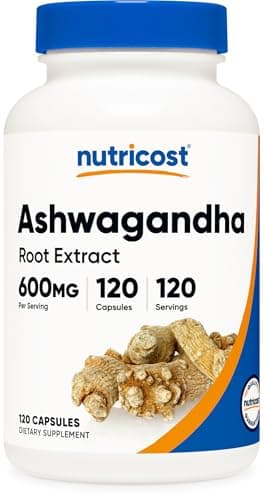
Nutricost Ashwagandha Herbal Supplement 600mg
Cost per serving
$0.12
120 servings · ~120-day supply

NutraBio Ashwagandha KSM-66 | Ashwagandha Herbal Supplement…
Cost per serving
$0.40
60 servings · ~60-day supply

Nutricost KSM-66 Ashwagandha Root Extract 600mg
Cost per serving
$0.25
60 servings · ~60-day supply

ZEBORA Ashwagandha Supplements 1000mg for Women & Men
Cost per serving
$0.13
120 servings · ~120-day supply
Related guides
Rhodiola rosea: the standardized dose for stress and energy, and cost
Rhodiola rosea is an adaptogen studied at ~200-600 mg/day of a 3% rosavins / 1% salidroside extract. The dose, when to take it, the honest evidence, and cost per dose.
Ashwagandha: dose, KSM-66 vs Sensoril, timing, and who should skip it
Most ashwagandha trials use a standardized root extract at a specific dose — so the branded extract and the milligrams matter more than the brand. The honest buyer's guide, plus who shouldn't take it.
Testosterone Supplements: What the Evidence Actually Supports
A hedged, evidence-minded look at testosterone supplements: why most "T-booster" blends underdeliver, and the cheap deficiency-correction approach.
Ubiquinol vs ubiquinone: which CoQ10 is worth it
Ubiquinol absorbs somewhat better, but it costs about 2.5x more per 100 mg than ubiquinone — a median $0.335 vs $0.133 across 55 listings we price. What that gap is worth, the dose, and the statin question.