Saffron for mood: the 28-30 mg dose and cost
Quick answer
Saffron for mood is studied at about 28-30 mg per day of a standardized extract, so buy a standardized product (such as affron or Satiereal) and compare cost per 28-30 mg dose rather than per raw gram.
Alex Soto, Founder, VitaminDB
6 min readUpdated 7/31/2026 NIH-sourced
On this page
Short version: saffron for mood is studied at **about 28-30 mg a day of a standardized extract** — not raw threads from the spice jar — and the smart way to buy it is by cost per standardized dose. The evidence is promising but not proven, and saffron is not a substitute for prescribed treatment. This is a value guide, not medical advice.
What saffron is here
Saffron is the spice from the Crocus sativus flower, famously one of the most expensive spices by weight. In supplements, what matters is not the culinary spice but a standardized extract of it — a concentrated preparation made to contain a consistent amount of saffron's active compounds. That standardization is what lets a small 28-30 mg capsule reliably deliver the amount used in research.
The dose
The number to remember:
- About 28-30 mg per day of a standardized saffron extract.
- This is an extract dose. It is not the same as measuring out raw saffron
threads, which are not standardized and not what the studies used.
That 28-30 mg figure is the anchor for comparing products and prices.
The honest evidence
What the research supports, stated plainly:
- Mood. Some trials suggest a mood benefit from standardized saffron extract.
The studies are generally small, so the fair description is **promising, not proven**.
- Appetite and snacking. Saffron has also been studied for **appetite and
reducing snacking**, which is why you will see it in some weight-related products. This too is early-stage rather than settled.
The single most important line on this page: saffron is **not a replacement for prescribed treatment.** Low mood and depression are serious, and the right first step is a clinician — not a supplement bought on the strength of small studies. Treat saffron as something you might discuss with a professional, not a self-directed substitute for care.
A peer-reviewed review hosted by NIH puts the mood work in context: saffron and its main constituents — crocins, crocetin, picrocrocin and safranal — exert beneficial effects on frequent neuropsychiatric conditions including depression and anxiety, which is why the standardised-extract question below is the whole ballgame. A cheap powder with unstated crocin content is not what was studied.
What "standardized extract" means, and why it matters
Because saffron's effect is tied to its active compounds, the **standardization is the product.** A standardized extract is manufactured so that each dose contains a consistent, known amount of those compounds. That is what makes 28-30 mg a meaningful number instead of a guess.
- Branded standardized extracts used in studies include affron and Satiereal.
Seeing a named, standardized extract on the label is a good sign you are getting a studied preparation.
- A product that just lists "saffron" with no standardization and no clear extract
dose is not comparable to the studied material, even if the milligrams look similar.
So step one before comparing price is checking that the label actually names a standardized extract and states its dose.
How to compare on cost
Saffron is pricey, and products vary a lot, so cost per standardized dose is the metric that keeps you honest:
- Compare cost per 28-30 mg of standardized extract, not cost per gram of raw
saffron and not cost per bottle.
- Confirm the serving size — a "30 mg" label at two capsules per serving is a
different value than 30 mg in one.
- Be wary of blends that fold a tiny, unstated amount of saffron into a bigger
formula. If you cannot see the standardized dose, you cannot price it.
Do that arithmetic and an expensive-looking single-ingredient extract often beats a cheaper-looking blend that hides how little saffron it contains.
The honest bottom line
- The studied mood dose is about 28-30 mg/day of a standardized extract.
- The evidence is promising but small, and saffron is **not a substitute for
prescribed treatment** — see a clinician for depression.
- Buy a named standardized extract (such as affron or Satiereal) and compare
cost per 28-30 mg dose.
Check current prices on the saffron nutrient page, see the best-value saffron ranked by cost per dose, and read how we compute cost per serving in our methodology. This is general information, not medical advice.
Covered nutrients: Saffron
See the live cost-per-dose data
This guide is editorial — the prices below are real and current.
Frequently asked questions
How much saffron do you take for mood?
The amount used in mood studies is about 28-30 mg per day of a standardized saffron extract. That is an extract dose, not raw saffron threads from the spice rack, and it is the figure to compare prices against. This is general information, not medical advice.
Does saffron actually help mood?
Some trials suggest a mood benefit from standardized saffron extract, but the studies are relatively small, so it is best described as promising rather than proven. Importantly, it is not a replacement for prescribed treatment — anyone dealing with depression should work with a clinician rather than self-treating. This is general information, not medical advice.
What does a standardized saffron extract mean?
A standardized extract is manufactured to contain a consistent amount of saffron's active compounds in each dose, so a 28-30 mg capsule delivers a known, repeatable amount. Branded standardized extracts used in studies include affron and Satiereal. Standardization is what makes the studied dose meaningful and comparable between products. This is general information, not medical advice.
How do I compare saffron on cost?
Compare cost per standardized dose, meaning cost per 28-30 mg of the standardized extract, not cost per gram of raw saffron. Prices vary widely, and a product is only worth comparing if it states the standardized extract and its dose on the label.
Where these numbers come from
Cost figures on this page are computed from 19 active Saffron listings we track, last re-priced . Cost per dose is price ÷ (servings × dose), computed per listing — not a price we are quoted. Listings under $1 or with fewer than 3 servings are excluded, because both are usually a parse error rather than a bargain.
- Amazon.com · 18
- SuperSmart · 1
Prices move. Figures written into the text are re-checked against live data on a schedule; the ranking pages are always the current number.
Sources
Health claims on this page are drawn from these sources. Prices and cost-per-dose figures come from our own tracked listings, not from the sources below.
- 1.Saffron (Crocus sativus L.): A Source of Nutrients for Health and for the Treatment of Neuropsychiatric and Age-Related Diseases — PubMed Central, NIH National Library of Medicine
Deals on these nutrients

Saffron Extract 88.5mg
Cost per serving
$0.10
210 servings · ~210-day supply
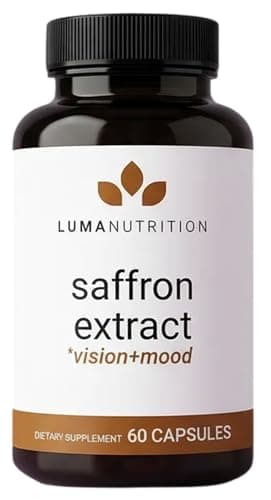
Luma Nutrition Saffron Extract Capsules - Premium Saffron…
Cost per serving
$0.37
60 servings · ~60-day supply

KORELLA Saffron Supplement 88.5 mg – Pure Saffron Extract…
Cost per serving
$0.33
60 servings · ~60-day supply

Saffron Supplements Gummies 100mg - 100% Pure Saffron Extract…
Cost per serving
$0.50
60 servings · ~60-day supply
Related guides
Ubiquinol vs ubiquinone: which CoQ10 is worth it
Ubiquinol absorbs somewhat better, but it costs about 2.5x more per 100 mg than ubiquinone — a median $0.335 vs $0.133 across 55 listings we price. What that gap is worth, the dose, and the statin question.
P-5-P vs regular vitamin B6: is the active form worth it?
P-5-P costs about 2x more per 50 mg than plain pyridoxine — a median $0.146 vs $0.071 across 56 listings we price. Most healthy people convert plain B6 fine, so here is what the premium buys, and the safety ceiling that matters more than either form.
Beetroot vs citrulline: which for pumps, and which for endurance
Both raise nitric oxide, but by different routes and for different goals — beetroot has the endurance edge, citrulline is the gym-pump staple. Doses, the honest split, and cost per dose.
Beta-alanine: dose, the tingling, and what it actually does
Beta-alanine buffers muscle acid to extend high-intensity efforts in the 1–4 minute range. It works by loading over weeks, not as a pre-workout kick. Real dose, why it tingles, and cost per serving.