Sea Moss: What the Evidence Shows, the Iodine Risk, and the Real Cost
Quick answer
Sea moss is a red seaweed sold for immunity, thyroid, skin and gut health, but no authoritative health body has shown it works for any of those — NIH's own monograph says "no medicinal value has been proven." The real, concrete issue isn't whether it helps; it's that seaweed is very high in iodine, in amounts that vary a lot batch to batch, and too much iodine can harm the thyroid (the safe adult upper limit is 1,100 mcg a day). If you still want to try it, compare by cost per serving and be cautious about iodine, especially with a thyroid condition or in pregnancy. This is general information, not medical advice.
Alex Soto, Founder, VitaminDB
6 min readUpdated 7/18/2026 NIH-sourced
On this page
Sea moss went from obscure Caribbean sea vegetable to viral wellness staple, sold as gel, gummies and capsules promising immunity, thyroid support, glowing skin and gut health. It's a good case study in the gap between a trend and the evidence — because here the gap is almost total, and the one genuinely important fact about sea moss is a safety issue the marketing never mentions.
We sell nothing and take no position on whether you use sea moss. We rank it by cost per serving like everything else.
What sea moss is
Sea moss (Irish moss, Chondrus crispus) is a red seaweed eaten as food and, more recently, sold as a supplement. It does contain a range of minerals, which is the kernel of truth the marketing inflates into a cure-all. Containing minerals is not the same as treating anything.
What the evidence actually shows — essentially nothing
This is short because there isn't much to report. No authoritative health body has assessed sea moss as effective for its marketed uses: there is no NIH Office of Dietary Supplements fact sheet, no NCCIH review, and no MedlinePlus supplement monograph for sea moss. The one NIH-hosted reference that mentions it, the LactMed database, is blunt:
Sea moss or Irish moss is a type of red seaweed that is used as food and medicine, "although no medicinal value has been proven."
That's the honest state of the science. The immunity, thyroid, skin and gut claims you see attached to sea moss are marketing built on the fact that it's a nutrient-containing seaweed — not on studies showing it does those things. If it works for something, no credible body has shown it yet.
The real issue: iodine and your thyroid
Here's the fact that actually matters, and it flips the usual supplement question. With most supplements the concern is "does it do anything?" With sea moss, the more important concern is "could it do harm?" — because seaweed is one of the most iodine-dense foods there is, and the amount in any given sea moss product is high and unpredictable.
Iodine is essential in small amounts, but the range between "enough" and "too much" is narrow. Per the NIH Office of Dietary Supplements:
The safe upper limit for iodine for adults is 1,100 mcg per day (from all sources — food, beverages and supplements). Getting too much iodine can cause goiter (an enlarged thyroid gland), thyroid gland inflammation, and thyroid cancer.
For scale: the adult daily requirement is about 150 mcg, and a single serving of seaweed can dwarf that. Because sea moss iodine content varies batch to batch, you often can't know how much you're getting. That's a genuine problem for anyone with a thyroid condition, and iodine excess through seaweed has caused thyroid suppression in breastfed infants — so pregnancy and breastfeeding are specific reasons for caution. Sea moss can also carry heavy metals (arsenic, lead, cadmium, mercury) picked up from the water it grew in.
None of this means sea moss is dangerous in a single serving for a healthy adult. It means the interesting question about sea moss is a safety question, not an efficacy one — the opposite of how it's sold.
How to compare sea moss by cost
Since there's no established effective dose to rank against, the honest comparison is simply cost per serving: price ÷ servings per container. Our best sea moss by cost per dose page does that. But be clear-eyed that cost is the least important thing here — with no proven benefit and a real iodine variable, the useful decision is whether to take it at all, and how often, which is worth raising with a clinician if you have any thyroid concern.
Bottom line
Sea moss is a trend far ahead of its evidence: no authoritative body has shown it works for the things it's sold for, and NIH's own monograph says "no medicinal value has been proven." Its one genuinely important property is the opposite of a selling point — a high, variable iodine load that can affect the thyroid, with a firm 1,100 mcg/day ceiling that seaweed can blow past. If you try it, treat it as food with a real iodine caveat rather than as medicine, don't overpay, and talk to a clinician first if you have a thyroid condition or are pregnant. The cost-per-serving ranking is here if you want it.
This is general information, not medical advice — talk to a clinician before starting any supplement, especially if you have a thyroid condition or are pregnant or breastfeeding.
Covered nutrients: Sea Moss
See the live cost-per-dose data
This guide is editorial — the prices below are real and current.
Frequently asked questions
Does sea moss actually do anything?
There's no good evidence it does what it's marketed to do. No authoritative health body (NIH, NCCIH, the ODS) has a fact sheet assessing sea moss as effective for immunity, thyroid, skin or gut health, and the one NIH-hosted monograph on it states plainly that "no medicinal value has been proven." It's a nutrient-containing seaweed with real minerals, but the specific wellness claims are unsupported. This is general information, not medical advice.
Is sea moss safe? What's the iodine concern?
The main concrete risk is iodine. Seaweed is naturally very high in iodine and the amount varies widely between batches, so a serving can far exceed the day's needs. Per NIH, the safe upper limit for iodine in adults is 1,100 mcg per day from all sources, and getting too much can cause thyroid problems including goiter, thyroid inflammation, and (with chronic excess) increased thyroid cancer risk. Sea moss can also contain heavy metals from the water it grew in. People with thyroid conditions, and anyone pregnant or breastfeeding, should be especially careful.
How should I compare sea moss products by cost?
Because there's no established effective dose to compare against, the fair comparison is cost per serving. Divide the price by the servings per container. But cost is secondary here — the iodine variability means the more useful question is whether you should take it at all, and at what frequency, which is worth raising with a clinician.
Where these numbers come from
Cost figures on this page are computed from 12 active Sea Moss listings we track, last re-priced . Cost per dose is price ÷ (servings × dose), computed per listing — not a price we are quoted. Listings under $1 or with fewer than 3 servings are excluded, because both are usually a parse error rather than a bargain.
- Amazon.com · 12
Prices move. Figures written into the text are re-checked against live data on a schedule; the ranking pages are always the current number.
Sources
Health claims on this page are drawn from these sources. Prices and cost-per-dose figures come from our own tracked listings, not from the sources below.
- 1.Iodine: Fact Sheet for Health Professionals — NIH Office of Dietary Supplements
Deals on these nutrients

American Standard Supplements Organic Sea Moss
Cost per serving
$0.17
120 servings · ~120-day supply
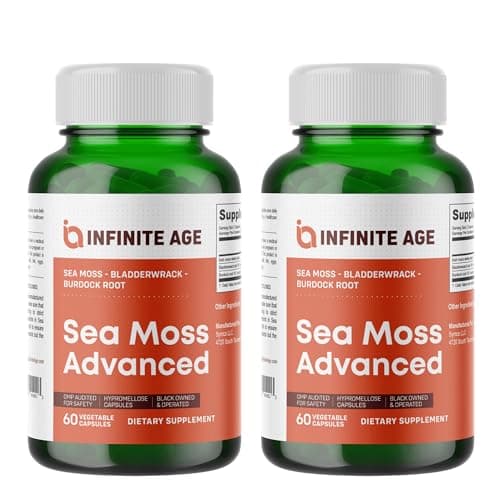
INFINITE AGE 2 Pack of 1250mg Sea Moss Advanced Superfood…
Cost per serving
$0.30
240 servings · ~240-day supply

MAJU 4-in-1 Organic Sea Moss Capsules
Cost per serving
$0.43
60 servings · ~60-day supply
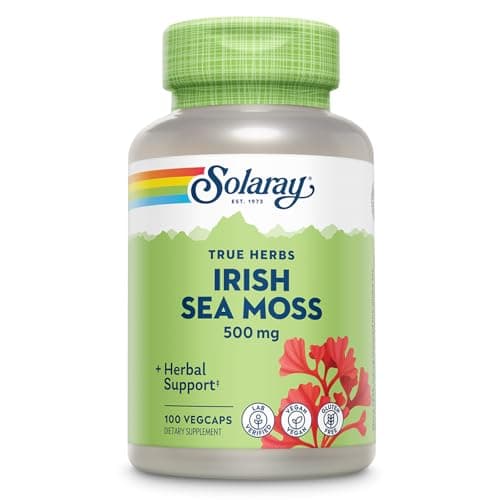
SOLARAY Irish Sea Moss 500 mg Naturally Occurring Vitamins
Cost per serving
$0.25
100 servings · ~100-day supply
Related guides
Ubiquinol vs ubiquinone: which CoQ10 is worth it
Ubiquinol absorbs somewhat better, but it costs about 2.5x more per 100 mg than ubiquinone — a median $0.335 vs $0.133 across 55 listings we price. What that gap is worth, the dose, and the statin question.
P-5-P vs regular vitamin B6: is the active form worth it?
P-5-P costs about 2x more per 50 mg than plain pyridoxine — a median $0.146 vs $0.071 across 56 listings we price. Most healthy people convert plain B6 fine, so here is what the premium buys, and the safety ceiling that matters more than either form.
Beetroot vs citrulline: which for pumps, and which for endurance
Both raise nitric oxide, but by different routes and for different goals — beetroot has the endurance edge, citrulline is the gym-pump staple. Doses, the honest split, and cost per dose.
Beta-alanine: dose, the tingling, and what it actually does
Beta-alanine buffers muscle acid to extend high-intensity efforts in the 1–4 minute range. It works by loading over weeks, not as a pre-workout kick. Real dose, why it tingles, and cost per serving.