Vitamin C: how much you can actually absorb, and which form is worth paying for
Quick answer
Plain ascorbic acid works fine and costs pennies. Liposomal and buffered C solve specific problems — at 5–10x the price. When the upgrade is worth it and when it is marketing.
Alex Soto, Founder, VitaminDB
6 min readUpdated 6/11/2026 NIH-sourced
On this page
Vitamin C is one of the cheapest, most over-formulated supplements on the shelf. The active molecule — ascorbic acid — is identical whether it comes from a $5 bottle or a $40 liposomal one. What you are actually paying for in the premium versions is absorption at high doses and stomach tolerance, not a "better" vitamin.
How much you can absorb
Here is the part the 1000 mg tablets do not advertise: your gut saturates. Absorption efficiency is near-complete at low doses and drops as the dose rises. Around 200–400 mg/day, most adults hit the point of diminishing returns; beyond that, a growing fraction is simply excreted in urine. A single 1000 mg tablet does not deliver 4x the vitamin C of a 250 mg one — it delivers maybe 1.5x, with the rest passing through.
That ceiling is the NIH's own description of the vitamin, not a supplement-industry claim: higher doses of vitamin C have lower absorption than moderate doses, and absorbed, unmetabolised ascorbic acid is excreted in the urine. The same fact sheet notes that high doses can lead to diarrhoea, nausea and abdominal cramps, which is the practical ceiling most people meet first.
This is not an argument against 1000 mg tablets — the buffer is harmless and the cost difference is trivial — just a reason not to chase ever-higher single doses expecting linear benefit. Splitting a dose (morning and evening) absorbs better than one large hit.
The forms, ranked by what they solve
Plain ascorbic acid
The reference form. Well absorbed at normal doses, cheapest by a wide margin (often under $0.05 per 1000 mg serving on US Amazon). For everyday immune-season maintenance, this is all most people need.
Buffered C (mineral ascorbates)
Ascorbic acid bound to a mineral — calcium ascorbate, sodium ascorbate, or a blend (often sold as "Ester-C" style products). The mineral neutralizes the acidity, so it is gentler on the stomach. That is the one real benefit. Worth the small premium only if plain C bothers your gut.
Liposomal C
Ascorbic acid wrapped in phospholipid spheres, designed to bypass the gut's absorption ceiling. The legitimate use case is high-dose protocols (2000 mg+) where ordinary C would cause diarrhea before it could be absorbed. At everyday doses the advantage shrinks toward zero, while the price runs 5–10x plain C. Useful for a specific person; oversold to everyone else.
What to actually buy
- Daily maintenance: plain ascorbic acid, 250–1000 mg, split if you go high. Cheapest cost per dose wins.
- Sensitive stomach: buffered / mineral ascorbate.
- High-dose protocol (with a reason): liposomal, and only then.
The rose-hips, bioflavonoid, and "whole-food" add-ons sound appealing but rarely change absorption enough to justify the markup. Read the label for the ascorbic-acid milligrams; that is what you are paying for.
Bottom line
The vitamin C in every bottle is the same molecule. Buy plain ascorbic acid unless you have a specific reason — a sensitive stomach (buffered) or a genuine high-dose protocol (liposomal). For everyone else, the premium forms are solving a problem you do not have.
Covered nutrients: Vitamin C
See the live cost-per-dose data
This guide is editorial — the prices below are real and current.
Frequently asked questions
Is liposomal vitamin C actually better?
For most people, no meaningful difference for everyday use — plain ascorbic acid is well absorbed at normal doses. Liposomal's edge shows up mainly at high doses (2000 mg+) where ordinary C hits an absorption ceiling and causes loose stools. If you tolerate cheap C fine, the upgrade is mostly paying for marketing.
How much vitamin C per day?
The body saturates around 200–400 mg/day for most adults; above that, absorption efficiency falls and the excess is excreted. The 1000 mg tablets that dominate shelves give you a buffer but are not 5x more "absorbed" than 250 mg.
Does vitamin C upset your stomach?
Ascorbic acid is mildly acidic and can bother sensitive stomachs at higher doses. Buffered C (mineral ascorbates like calcium or sodium ascorbate) is gentler — that is the specific problem it solves, and the only reason to pay extra for it.
Where these numbers come from
Cost figures on this page are computed from 189 active Vitamin C listings we track, last re-priced . Cost per dose is price ÷ (servings × dose), computed per listing — not a price we are quoted. Listings under $1 or with fewer than 3 servings are excluded, because both are usually a parse error rather than a bargain.
- Amazon.com · 187
- SuperSmart · 2
Prices move. Figures written into the text are re-checked against live data on a schedule; the ranking pages are always the current number.
Sources
Health claims on this page are drawn from these sources. Prices and cost-per-dose figures come from our own tracked listings, not from the sources below.
- 1.Vitamin C: Fact Sheet for Health Professionals — NIH Office of Dietary Supplements
Deals on these nutrients

Nature Made Maximum Strength Dosage Vitamin C 1000mg per…
Cost per serving
$0.18
80 servings · ~80-day supply
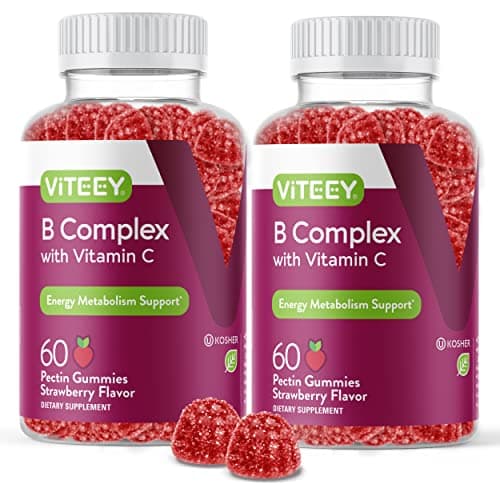
Viteey Vitamin B Complex Gummies with Vitamin C - 120 Count…
Cost per serving
$0.22
120 servings · ~120-day supply

Regeskr Liposomal Glutathione Supplement
Cost per serving
$0.37
60 servings · ~60-day supply
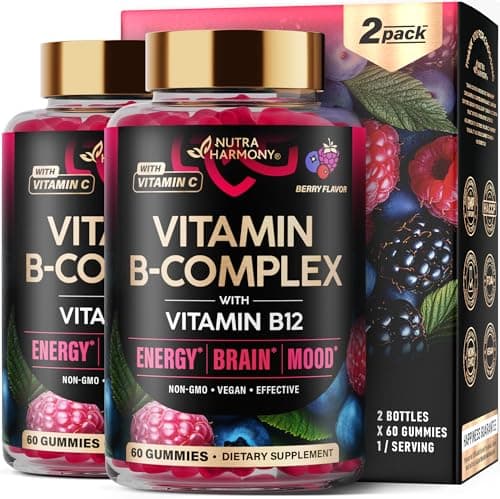
Vitamin B-Complex Gummies for Women & Men - Vitamin B12, B1…
Cost per serving
$0.56
60 servings · ~60-day supply
Related guides
Eye health supplements: what AREDS2 actually covers, and what it costs per dose
The AREDS2 eye formula is real science — but it was studied for slowing one specific eye disease, not for keeping healthy eyes sharp or fixing screen fatigue. Here's what the trial found, the exact ingredients and doses, and how little the components actually cost per dose.
What a supplement should cost per dose — and how to tell if you're overpaying
The sticker price on the bottle is the wrong number. Cost per dose — price ÷ servings ÷ active amount — is what you actually pay each day, and the same dose can cost many times more just depending on the brand.
Best time to take your supplements: a per-nutrient cheat sheet
Fat-soluble vitamins with a meal, magnesium in the evening, iron on an empty stomach with vitamin C, and the pairs you should NOT take together. A practical, evidence-based timing guide.
Iron without the stomach upset: forms, timing, and the vitamin C trick
Ferrous sulfate is cheap and effective but wrecks a lot of stomachs. Bisglycinate and slow-release cost more and treat people gently. How to actually absorb iron without the misery.