Vitamin K2 (MK-7): dose, why it pairs with D3, and cost
Quick answer
Vitamin K2 is commonly taken as 90-180 mcg/day of MK-7 and is often paired with vitamin D3, so compare products by cost per mcg of MK-7 — and if you take warfarin, talk to a clinician first.
Alex Soto, Founder, VitaminDB
6 min readUpdated 8/1/2026 NIH-sourced
On this page
Vitamin K2 is commonly taken as 90-180 mcg/day of MK-7, and it is often paired with vitamin D3 because the two work together on calcium. When you buy it, compare by cost per mcg of MK-7, not per capsule. And one warning up front: if you take warfarin, do not add K2 without talking to your clinician first.
What vitamin K2 does
Vitamin K2's best-understood job is helping the body put calcium where it belongs. It activates proteins that direct calcium into bone and help keep it out of soft tissue like artery walls. That is the core idea behind supplementing it: not just having enough calcium, but routing it well.
This is also why K2 rarely travels alone.
Why K2 pairs with D3
Vitamin D3 and K2 are complementary:
- Vitamin D3 raises how much calcium you absorb from food.
- Vitamin K2 helps route that calcium toward bone and away from arteries.
Taken together, the logic is that D3 brings more calcium into the system and K2 helps it end up in the right place. That is why so many products combine them, and why people building a bone-support routine often consider them as a pair. For the combined approach, see /guides/vitamin-d3-k2-together. This is general information, not medical advice.
MK-7 vs MK-4
Vitamin K2 comes in two supplemental forms, and they are not interchangeable dose-for-dose:
- MK-7 is the longer-lasting form. It stays in circulation longer, is dosed in micrograms (typically 90-180 mcg), and is the most common form in supplements.
- MK-4 clears from the body much faster and is therefore used at much higher doses.
For everyday supplementation, MK-7 is the usual choice precisely because its longer half-life means a small daily microgram dose can keep levels steady. If you are comparing products, most of what you will see — and what these dose figures refer to — is MK-7.
The dose
A common range is:
- 90-180 mcg/day of MK-7.
- Taken with a meal containing fat, since K2 is fat-soluble and absorbs better that way.
Follow the specific product's label. If your K2 is bundled with D3, check both amounts so you know what you are actually taking of each. This is general information, not medical advice.
The warfarin warning — read this
The NIH puts the rule as consistency rather than avoidance: people taking these anticoagulants need to maintain consistent vitamin K intakes, because the drug is dosed against whatever your usual intake is. A supplement you start, stop and restart is the problem, not vitamin K itself — and the decision belongs to whoever manages your INR.
This is the most important safety point on the page. Vitamin K interacts with warfarin, a common blood thinner. Warfarin works precisely by blocking vitamin K, so adding a K2 supplement can work against the medication and change how well it controls clotting.
- If you take warfarin (or another vitamin-K-antagonist blood thinner), do not start K2 on your own.
- Talk to the clinician who manages your medication first — consistency of vitamin K intake matters for these drugs.
This is not a form-of-K2 loophole; it applies to vitamin K generally. Not medical advice.
The label details that matter
Before buying, check:
- The form and amount — confirm it is MK-7 and note the mcg per serving.
- Whether D3 is included, and at what dose, if you want the pair.
- Third-party testing where available.
Because strengths vary a lot between products, the front-label capsule count tells you little about value on its own.
How to buy vitamin K2 by cost per dose
Do not compare K2 bottles by price per capsule — MK-7 strength differs widely, so that number misleads. Instead:
- Compare by cost per mcg of MK-7.
- Divide the total price by the total MK-7 delivered, or by the number of doses at your target strength (say 90-180 mcg).
- If you are buying a D3+K2 combo, make sure both doses match what you actually want before comparing on price.
Compare current prices per dose on /nutrients/vitamin-k2, see the best current value picks on /best/vitamin-k2, and read exactly how we calculate cost per dose on /methodology.
Buy the MK-7 option with the lowest cost per mcg, pair it with D3 if that fits your goal, and clear it with a clinician first if you are on warfarin.
Covered nutrients: Vitamin K2
See the live cost-per-dose data
This guide is editorial — the prices below are real and current.
Frequently asked questions
How much vitamin K2 should I take per day?
A common range is about 90-180 mcg/day of MK-7, taken with a meal that contains fat since K2 is fat-soluble. Follow the product label. This is general information, not medical advice.
MK-7 vs MK-4 — what is the difference?
MK-7 is the longer-lasting form and the most common in supplements, dosed in micrograms. MK-4 clears from the body faster and is used at much higher doses. Most K2 supplements use MK-7 for that reason.
Should I take vitamin K2 with vitamin D3?
They are often paired because they work together — D3 increases how much calcium you absorb, and K2 helps direct that calcium toward bone and away from arteries. Many combination products reflect this. This is general information, not medical advice.
Is vitamin K2 safe with blood thinners like warfarin?
Vitamin K interacts with warfarin, which works by blocking vitamin K, so adding K2 can interfere with the medication. Anyone on warfarin must talk to a clinician before taking any vitamin K supplement. Not medical advice.
How do I compare vitamin K2 cost per dose?
Compare by cost per mcg of MK-7, not per capsule, since strengths vary. Divide the bottle price by the total MK-7 it delivers, or by the number of doses at your target strength.
Where these numbers come from
Cost figures on this page are computed from 87 active Vitamin K2 listings we track, last re-priced . Cost per dose is price ÷ (servings × dose), computed per listing — not a price we are quoted. Listings under $1 or with fewer than 3 servings are excluded, because both are usually a parse error rather than a bargain.
- Amazon.com · 87
Prices move. Figures written into the text are re-checked against live data on a schedule; the ranking pages are always the current number.
Sources
Health claims on this page are drawn from these sources. Prices and cost-per-dose figures come from our own tracked listings, not from the sources below.
- 1.Vitamin K: Fact Sheet for Health Professionals — NIH Office of Dietary Supplements
Deals on these nutrients
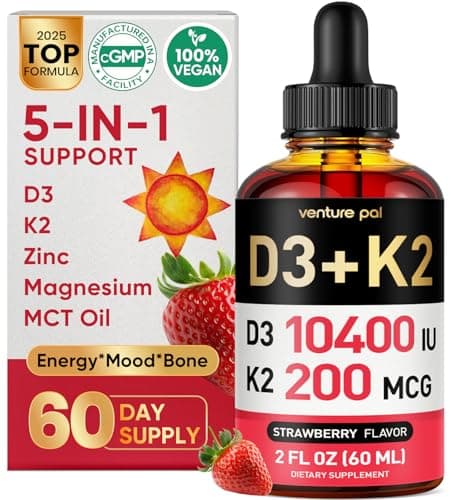
5-in-1 Vitamin D3 K2 Drops - Vitamin D3 10000 IU & K2(MK-7)…
Cost per serving
$0.28
60 servings · ~60-day supply
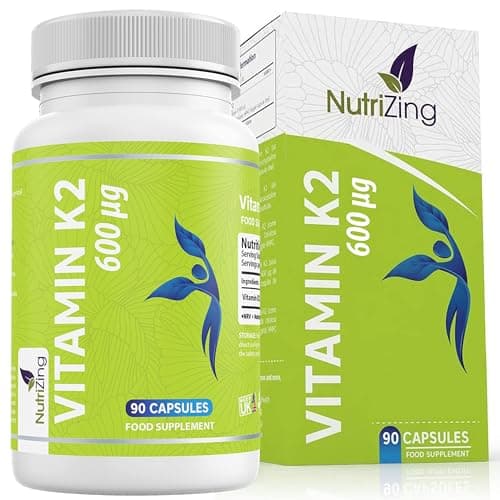
NutriZing K2 Vitamin Supplement MK7-600mcg - 90 Capsules…
Cost per serving
$0.20
90 servings · ~90-day supply
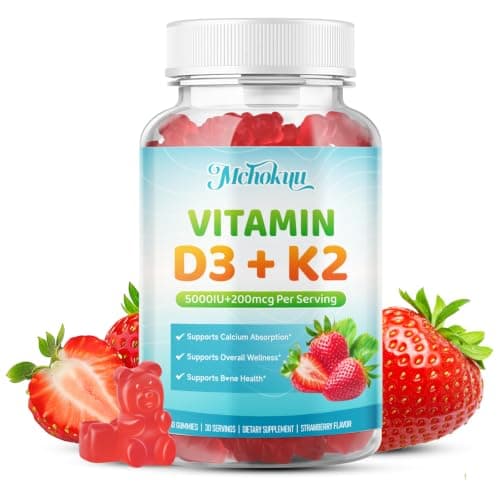
Vitamin D3 K2 Gummies with Calcium – Bone & Immune Support
Cost per serving
$0.27
60 servings · ~60-day supply
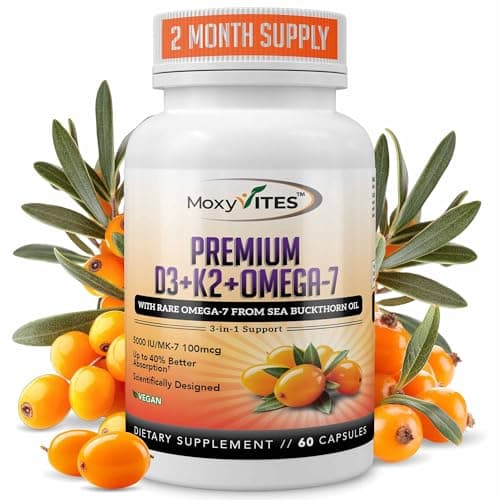
MoxyVites Vitamin D3 K2 5000 IU – High Absorption D3 + K2 MK-7…
Cost per serving
$0.40
60 servings · ~60-day supply
Related guides
Vitamin D3 and K2: should you take them together?
D3 helps you absorb calcium; K2 is thought to steer that calcium into bone instead of arteries. Here's what the evidence actually supports, sensible doses, and the one group who must check with a doctor first.
Vitamin D3: how much do you actually need through winter?
Official RDAs are floors, not optima. Here's the practical dosing range, when to take it, and why D3 + K2 is usually a smarter buy than D3 alone.
Ubiquinol vs ubiquinone: which CoQ10 is worth it
Ubiquinol absorbs somewhat better, but it costs about 2.5x more per 100 mg than ubiquinone — a median $0.335 vs $0.133 across 55 listings we price. What that gap is worth, the dose, and the statin question.
P-5-P vs regular vitamin B6: is the active form worth it?
P-5-P costs about 2x more per 50 mg than plain pyridoxine — a median $0.146 vs $0.071 across 56 listings we price. Most healthy people convert plain B6 fine, so here is what the premium buys, and the safety ceiling that matters more than either form.