
🧠
Vitamin B6 (Pyridoxine)
vitamin · 122 active deals
How much does Vitamin B6 (Pyridoxine) cost?
The best-value Vitamin B6 (Pyridoxine) right now is about $0.03 per dose — across the 62 we can price per dose the median is $0.092/dose, so shopping on cost-per-dose can cut your cost several-fold. Every Vitamin B6 (Pyridoxine) deal here is ranked by cost per dose — what you actually pay per serving, not the sticker price — because forms and absorption differ, so the cheapest bottle isn’t always the cheapest dose.
Prices checked · live from the Amazon US catalog.
Right now the best value across our full Vitamin B6 (Pyridoxine) catalog is at $0.03 per serving.
Median $0.092/servingCheapest quartile under $0.049across 62 tracked Vitamin B6 (Pyridoxine) deals
Recommended daily intake
Daily Value 1.7 mgUpper limit 100 mg
Long-term high doses can cause nerve symptoms; respect the upper limit. General FDA/NIH adult guidance — not medical advice.
What Vitamin B6 (Pyridoxine) does
Vitamin B6 is a water-soluble vitamin whose coenzyme forms are involved in more than 100 enzyme reactions, mostly concerned with protein and amino acid metabolism, as well as the metabolism of carbohydrates and lipids. It plays a role in cognitive development through the biosynthesis of neurotransmitters, in maintaining normal blood levels of homocysteine, and it is involved in gluconeogenesis and glycogenolysis, immune function, and hemoglobin formation. It has been studied as a supplement for cardiovascular disease (by lowering homocysteine), cancer, cognitive decline in older adults, premenstrual syndrome, and nausea and vomiting in pregnancy; however, the NIH notes the research to date provides little evidence that supplemental B6 reduces cardiovascular or cancer risk, finds insufficient evidence for an effect on cognitive function, and reports that while B6 shows promise for PMS the studies are of poor quality and findings for morning sickness are mixed, so more research is needed before drawing firm conclusions. — per the NIH Office of Dietary Supplements; not medical advice.
Forms & absorption
The most common vitamin B6 form in supplements is pyridoxine (as pyridoxine hydrochloride [HCl]), though some supplements contain pyridoxal 5'-phosphate (PLP). It is sold in multivitamins, B-complex supplements, and as a stand-alone product, available as oral capsules or tablets (including sublingual and chewable tablets) and liquids. According to the NIH, absorption of vitamin B6 from supplements is similar to that from food sources and does not differ substantially among the various supplement forms.
Food sources of Vitamin B6 (Pyridoxine)
Vitamin B6 is found in a wide variety of foods, and its richest sources include fish, beef liver and other organ meats, potatoes and other starchy vegetables, and fruit (other than citrus). In the United States, adults obtain most of their dietary vitamin B6 from fortified cereals, beef, poultry, starchy vegetables, and some noncitrus fruits; about 75% of vitamin B6 from a mixed diet is bioavailable — per the NIH Office of Dietary Supplements.
Vitamin B6 (Pyridoxine) deficiency — who's at risk
Frank deficiencies are relatively rare in the U.S., but groups most likely to have inadequate vitamin B6 include people with impaired renal function (such as end-stage renal disease or those on dialysis), people with autoimmune disorders like rheumatoid arthritis and malabsorptive conditions (celiac disease, Crohn's disease, ulcerative colitis), and people with alcohol dependence. Vitamin B6 deficiency is associated with microcytic anemia, electroencephalographic abnormalities, dermatitis with cheilosis (scaling on the lips and cracks at the corners of the mouth) and glossitis (swollen tongue), depression and confusion, and weakened immune function; in infants it can cause irritability, abnormally acute hearing, and convulsive seizures — per the NIH Office of Dietary Supplements.

Nature's Bounty Vitamin B6 100mg Tablets - Supports Energy…
Nature's BountyAmazon.com
$0.05/serving
$4.940°


Superior Source No Shot Vitamin B-12 Cyanocobalamin 1000 mcg
Superior SourceAmazon.com
$0.12/serving
$11.530°

5-HTP 200mg with GABA, L-Theanine and Vitamin B6, 240 Softgels
Micro IngredientsAmazon.com
$0.07/serving
$16.990°


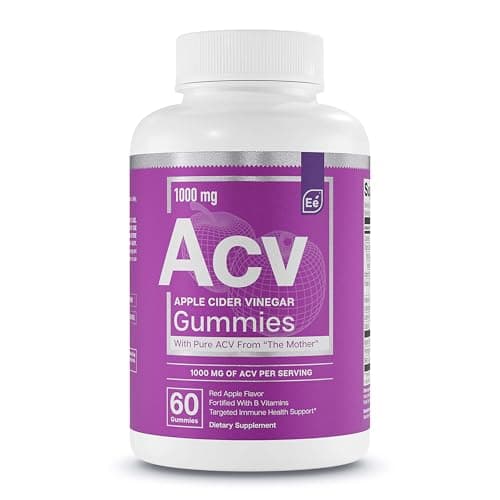
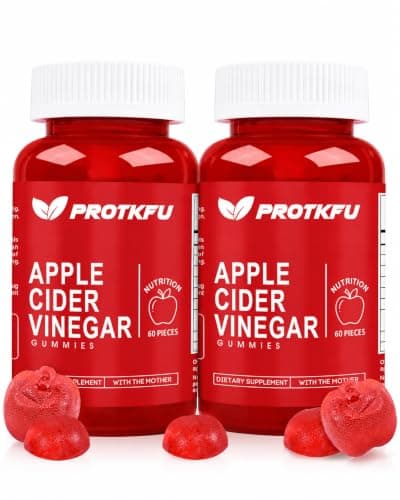
Essential Elements Apple Cider Vinegar Gummies from The Mother…
Essential ElementsAmazon.com
$0.38/serving
$23.000°
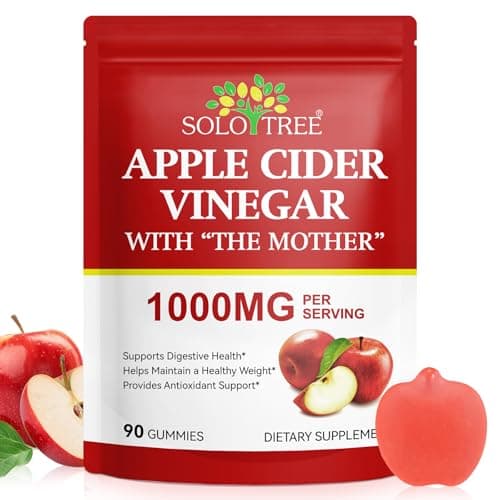
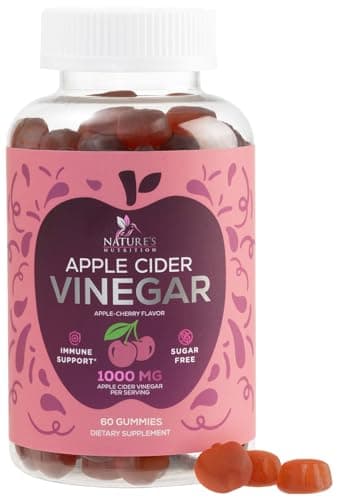
Apple Cider Vinegar Gummies 1000mg Per Serving - Sugar Free…
Nature's NutritionAmazon.com
$0.13/serving
$7.820°
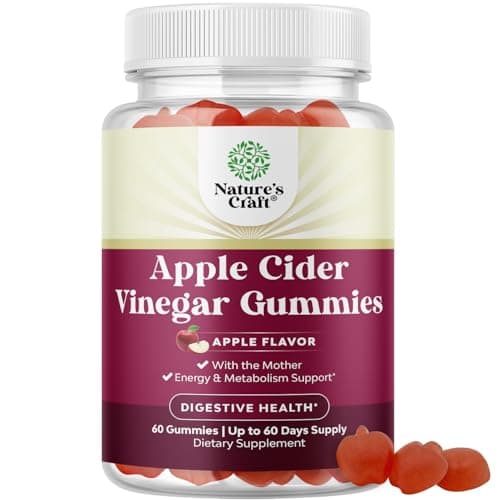
Apple Cider Vinegar Gummies with Mother - Cleanse & Detox ACV…
Natures CraftAmazon.com
$0.17/serving
$9.990°
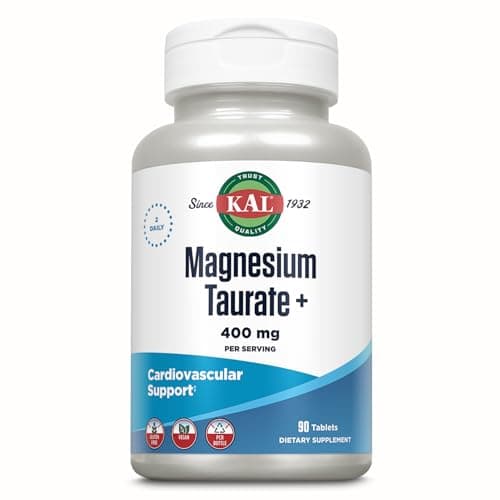
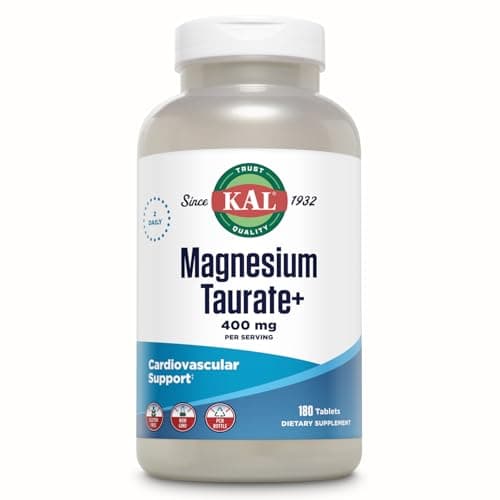
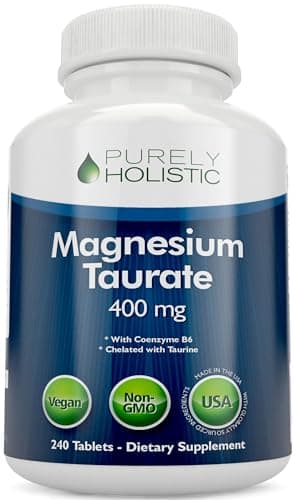
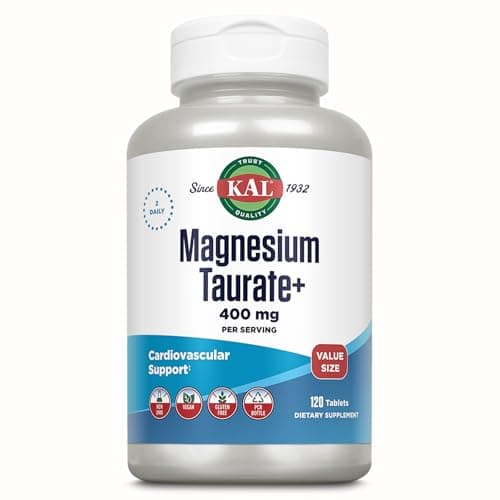
Magnesium Taurate 400MG Elemental Magnesium Per Serving…
Purely HolisticAmazon.com
$0.14/serving
$32.970°
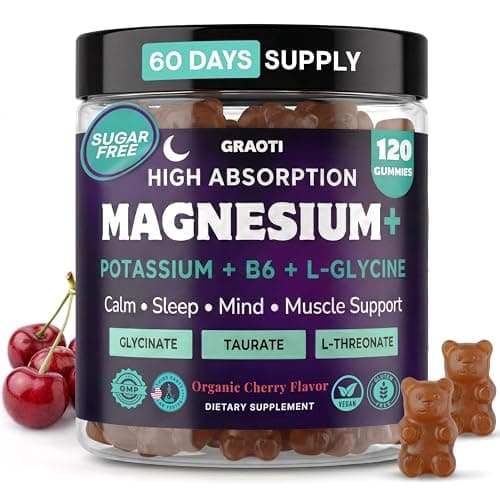
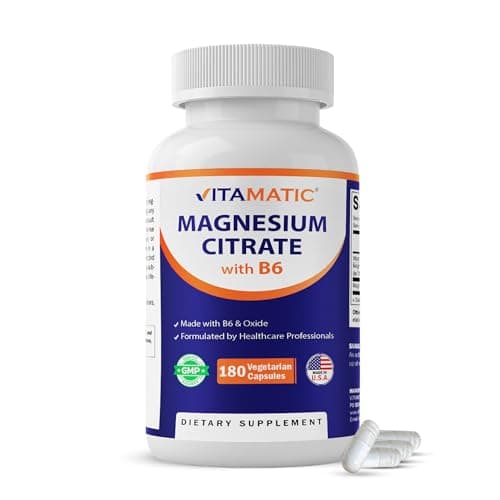
Vitamatic Magnesium Citrate 500mg per Serving - 180 Vegetarian…
VitamaticAmazon.com
$0.06/serving
$9.990°
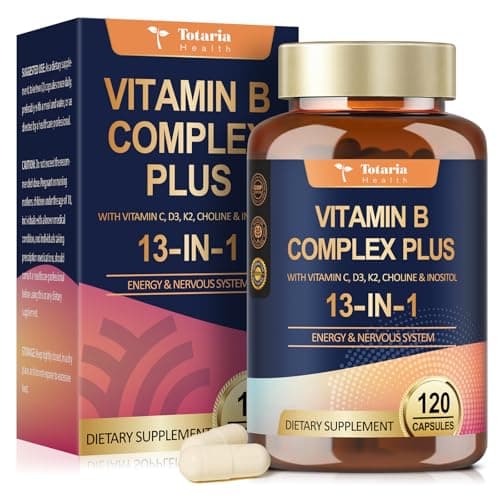
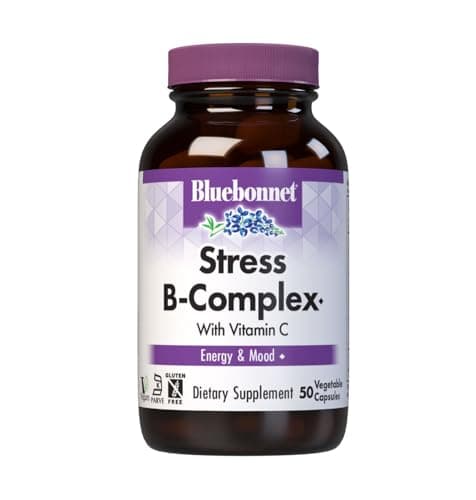
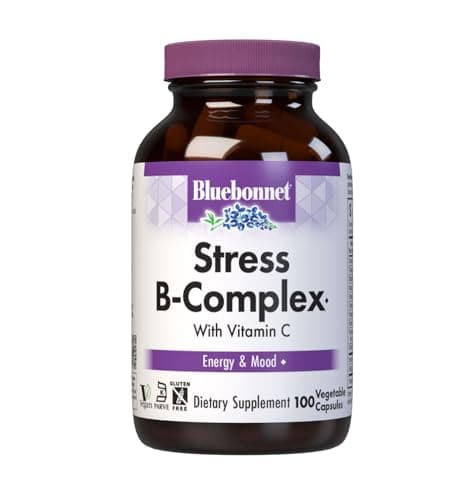
BlueBonnet Stress Vitamin B Complex for Women & Men - Daily…
BluebonnetAmazon.com
$0.31/serving
$15.600°
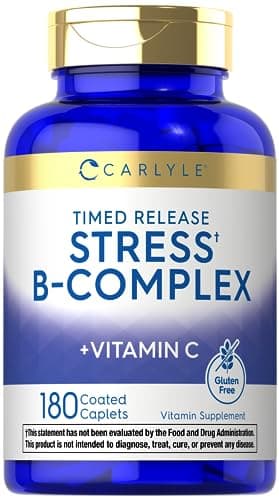
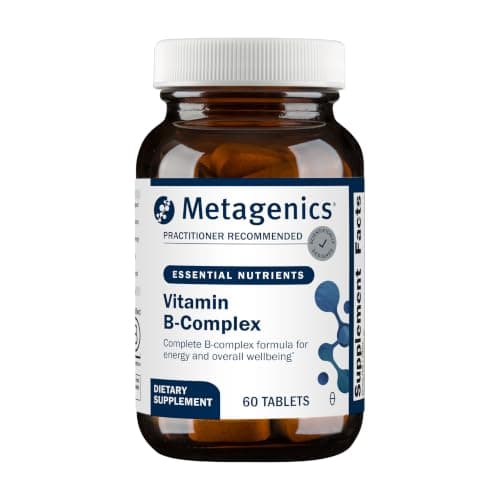
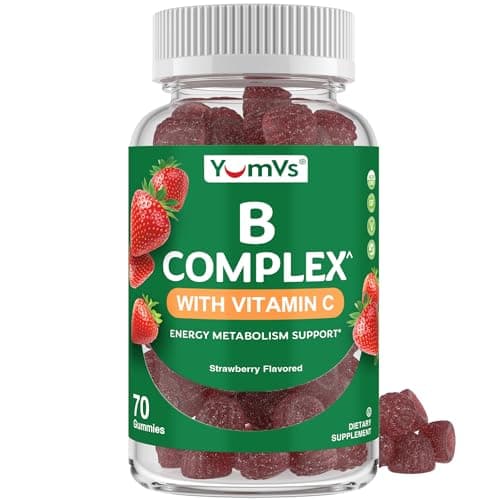
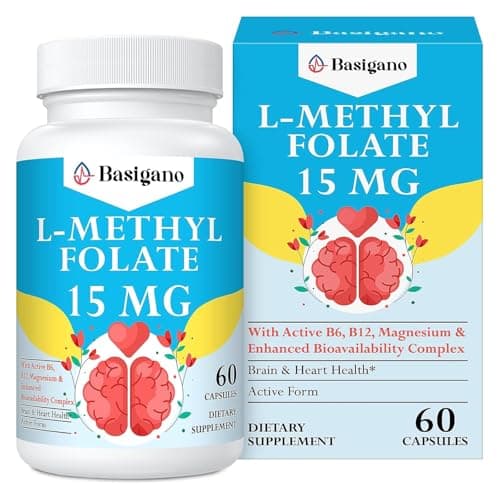
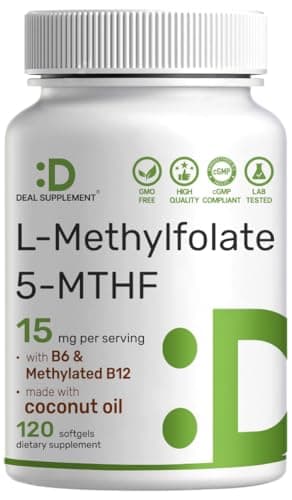
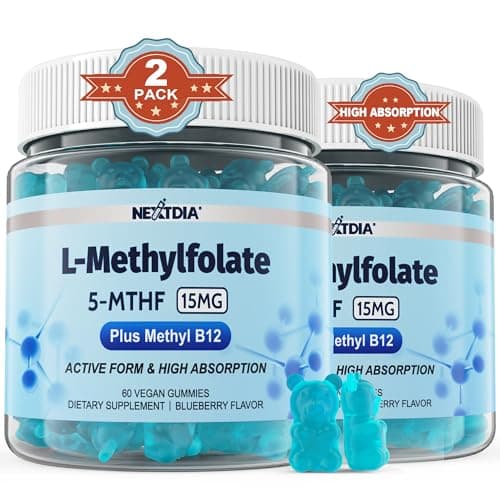
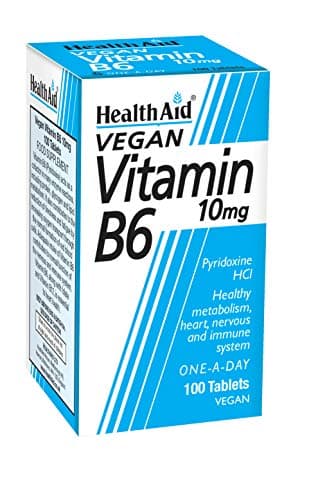
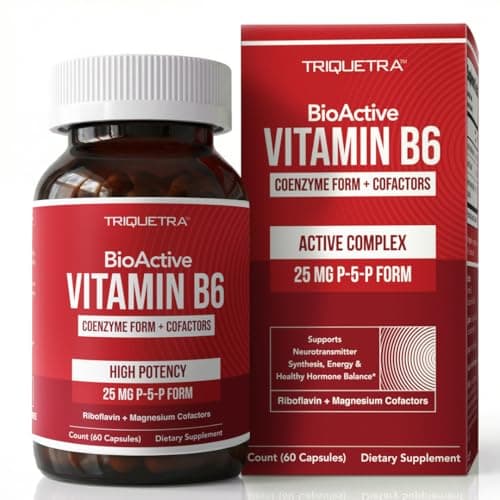
BioActive Vitamin B6 25mg Capsules - Active P-5-P Form…
Triquetra HealthAmazon.com
$0.32/serving
$18.990°
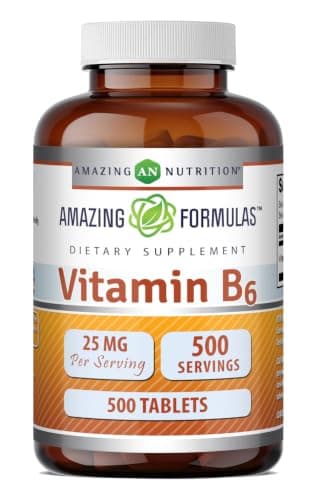
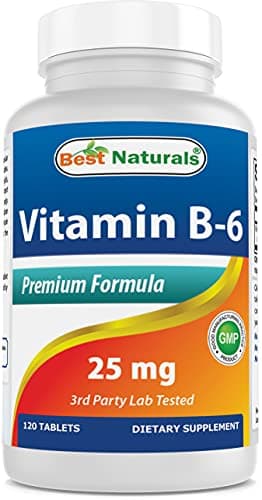
Amazing Formulas Vitamin B6 (Pyridoxine) 25 Mg Supplement…
Amazing FormulasAmazon.com
$0.04/serving
$19.990°
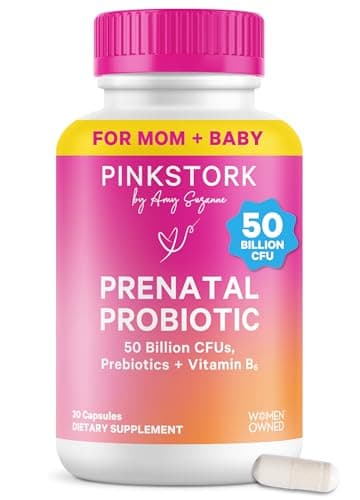
Pink Stork Prenatal Probiotic for Women with 50 Billion CFU…
Pink StorkAmazon.com
$1.07/serving
$31.990°
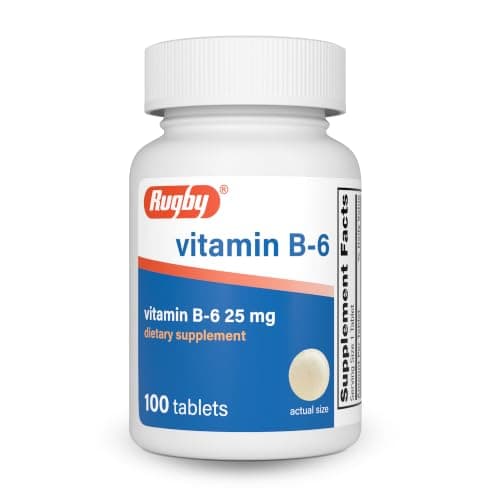
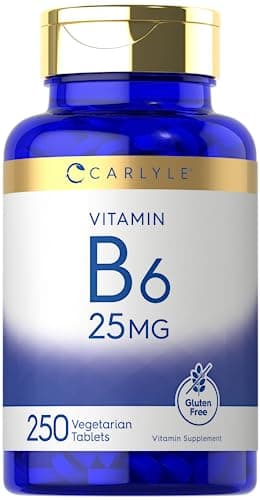
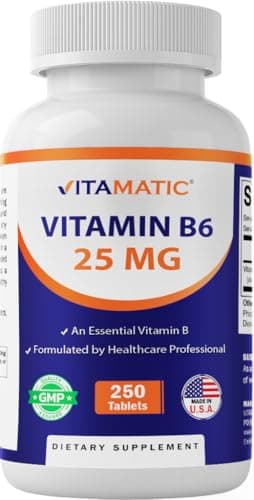
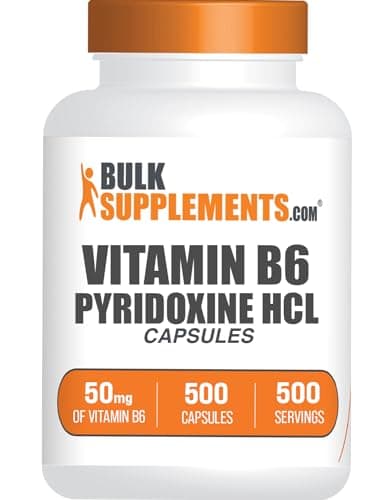
BulkSupplements.com Vitamin B6 Capsules - Pyridoxine HCl
BulkSupplements.comAmazon.com
$0.04/serving
$19.960°
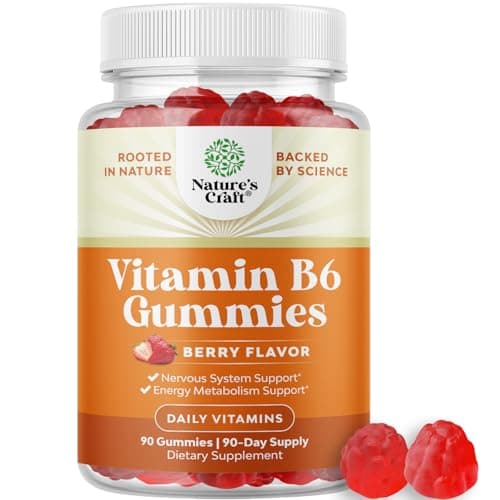
Potent Vitamin B6 Gummies for Adults - Vitamin B6 50mg Per…
Natures CraftAmazon.com
$0.21/serving
$18.990°
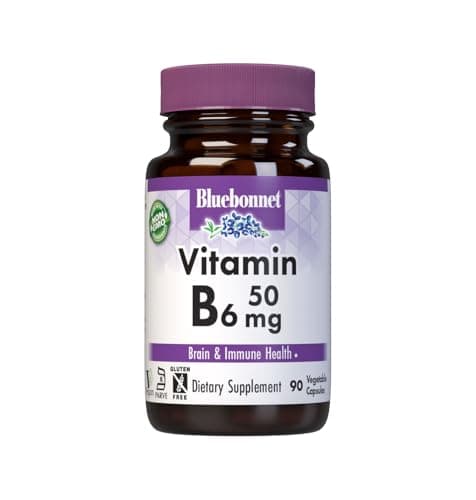
Bluebonnet Nutrition Vitamin B6 50mg Energy Vitamins for Women…
BluebonnetAmazon.com
$0.12/serving
$11.160°
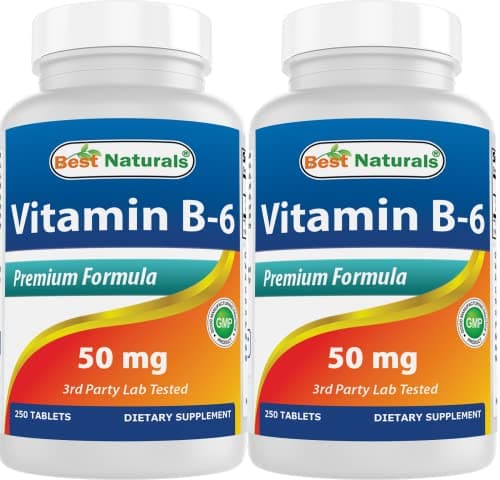
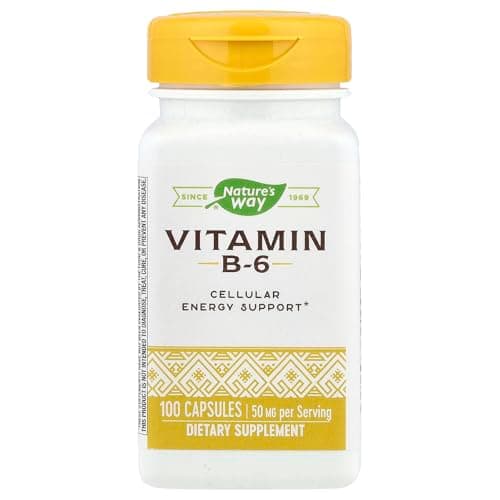

365 by Whole Foods Market, Vitamin B6 50mg, Vegan, 50 Tablets
365 by Whole Foods MarketAmazon.com
$0.09/serving
$4.690°
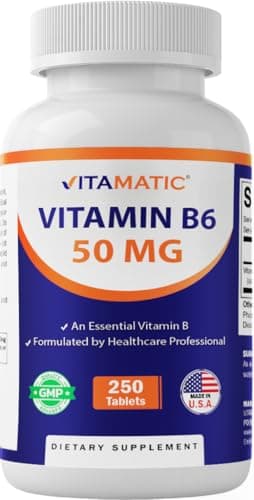
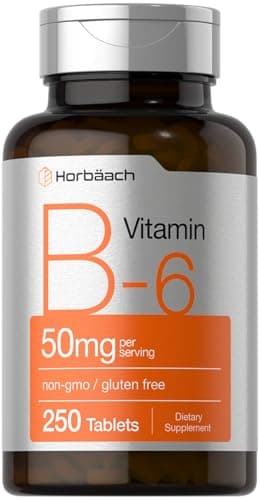
Horbäach B6 Vitamin 50mg | 250 Tablets | Non-GMO & Gluten Free…
HorbäachAmazon.com
$0.04/serving
$8.990°
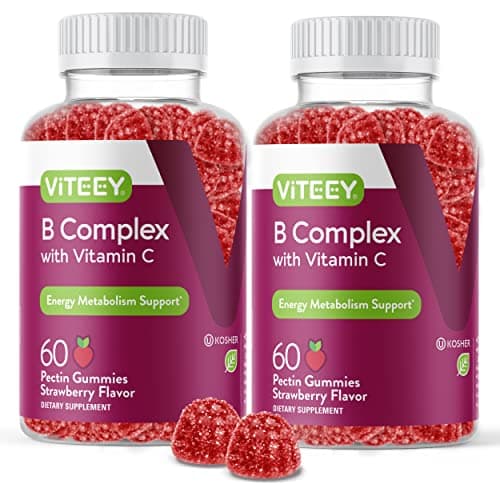
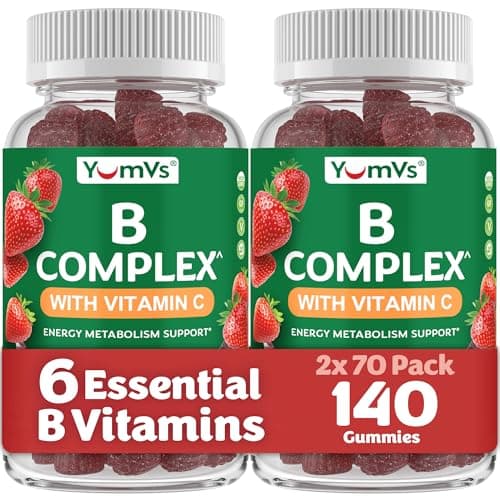
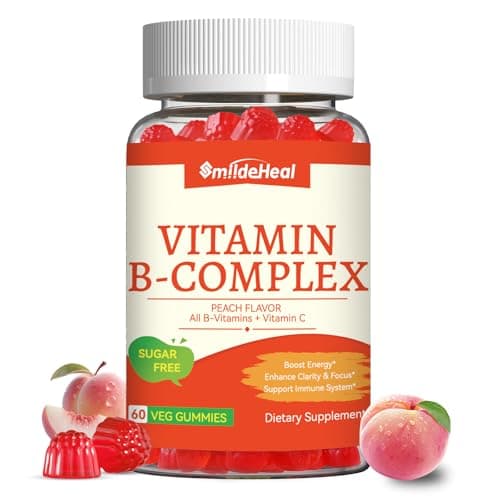
Vitamin B Complex Gummies for Women & Men - Vitamin B12, B1…
SmildeHealAmazon.com
$0.15/serving
$8.990°
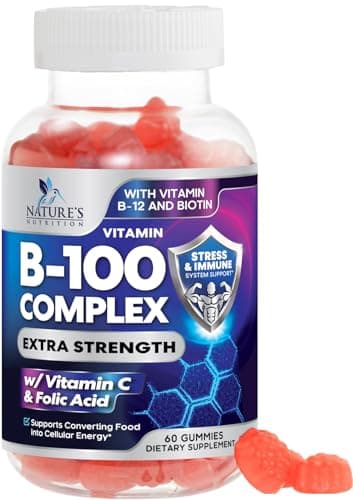
Vitamin B Complex Gummies - Extra Strength Super B Vitamin…
Nature's NutritionAmazon.com
$0.16/serving
$9.820°
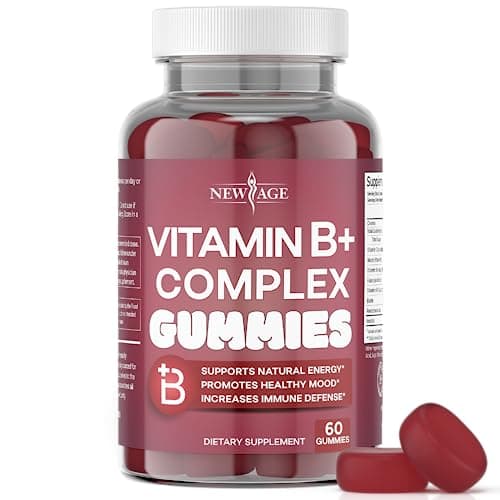
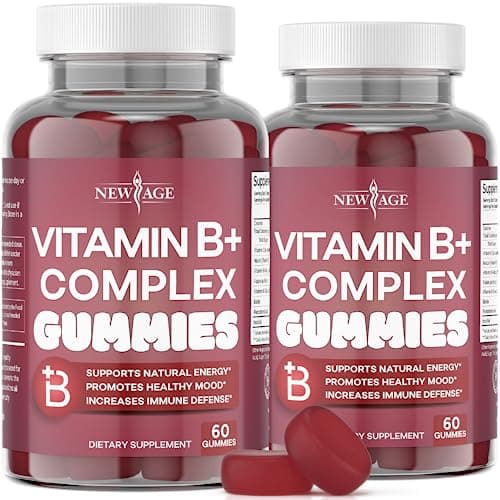
NEW AGE Vitamin B Complex Gummies with Vitamin B3, B5, B6, B7…
NEW AGEAmazon.com
$0.42/serving
$24.950°
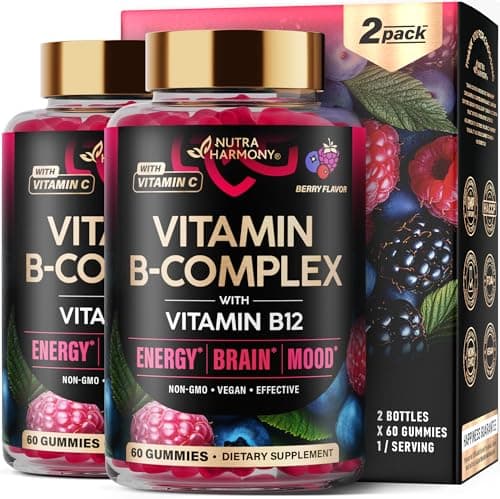
Vitamin B-Complex Gummies for Women & Men - Vitamin B12, B1…
NUTRAHARMONYAmazon.com
$0.56/serving
$33.790°
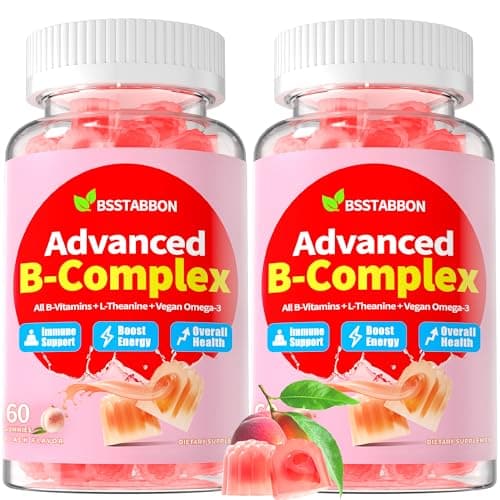
Methylated Vitamin B Complex Gummies: 22-in-1 for Daily Energy…
BSSTABBONAmazon.com
$1.59/serving
$34.990°
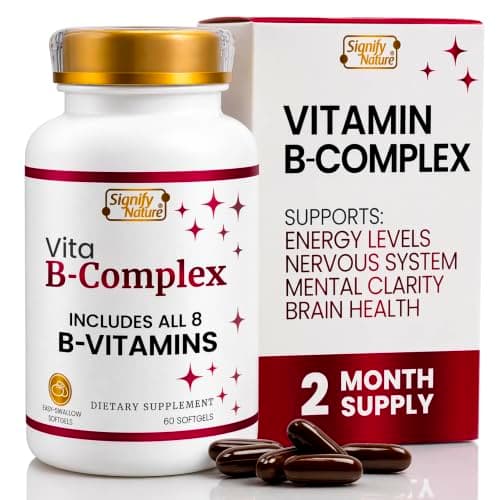
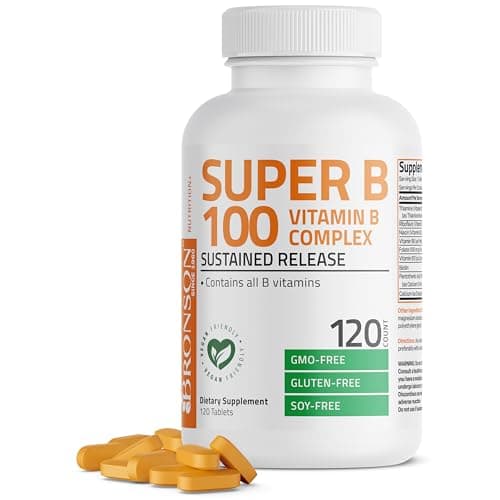
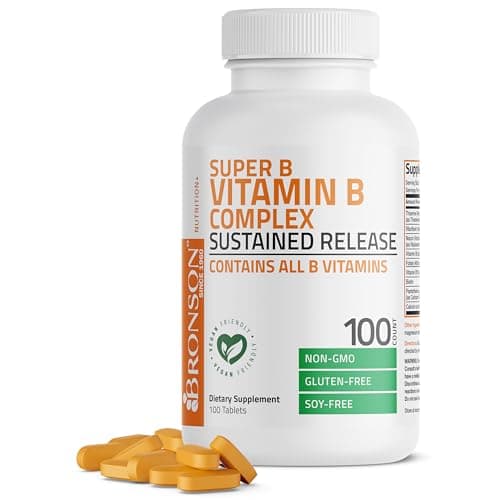
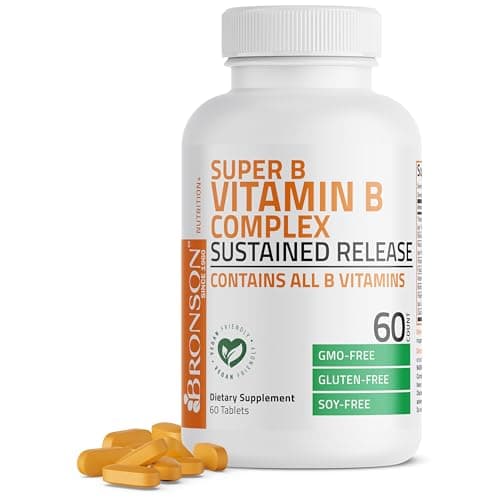
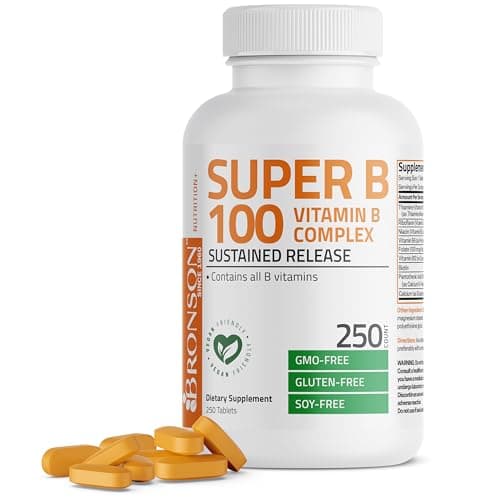

Vitamin B Complex Capsules + Whole Food Blend of 25 Vegetables…
Peak PerformanceAmazon.com
$0.26/serving
$22.950°

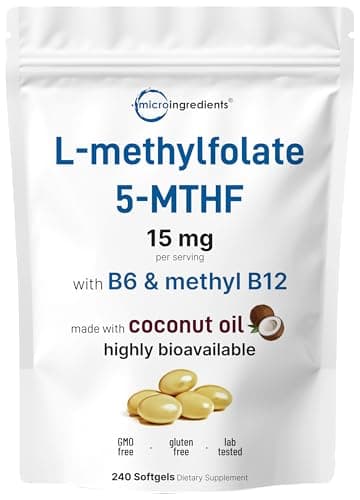
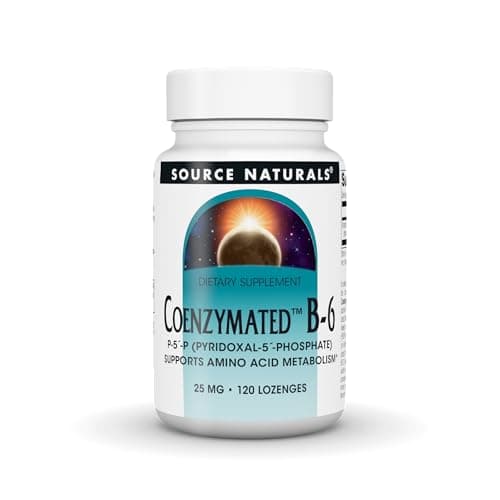
Source Naturals Coenzymated B-6, P-5 Pyridoxal-5 Phosphate…
Source NaturalsAmazon.com
$0.12/serving
$14.150°
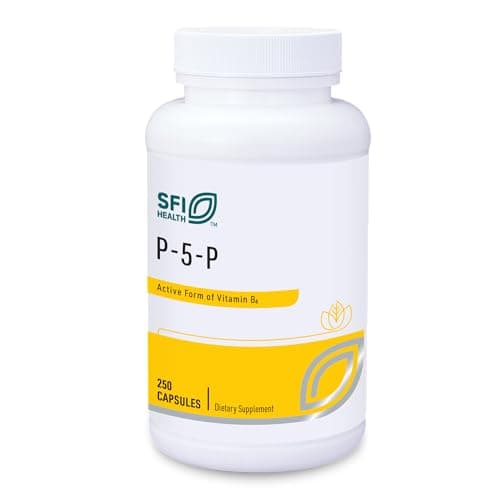
Klaire Labs SFI Health P-5-P - 30 Milligrams of Bioactive…
Klaire LabsAmazon.com
$0.26/serving
$25.990°
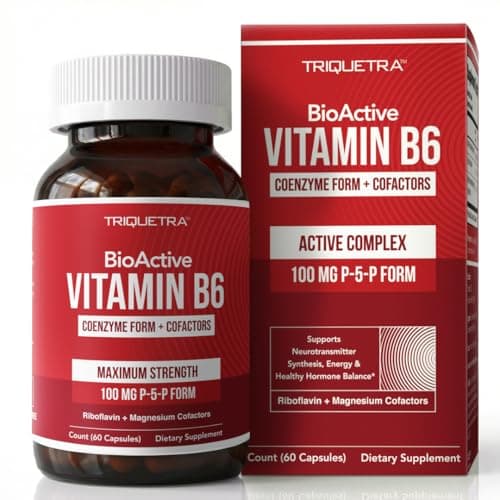
BioActive Vitamin B6 100mg Capsules - Active P-5-P Form…
Triquetra HealthAmazon.com
$0.37/serving
$21.990°
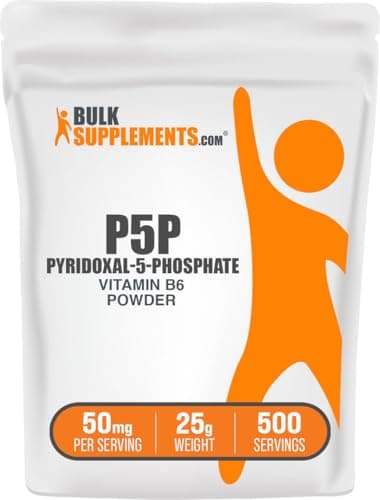
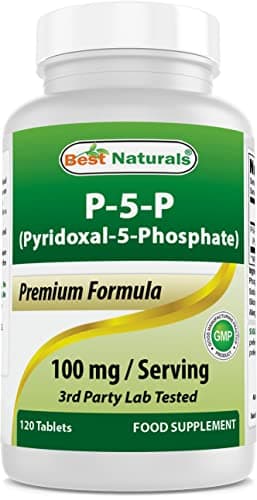
BulkSupplements.com Pyridoxal 5 Phosphate Powder - P-5-P…
BulkSupplements.comAmazon.com
$0.04/serving
$20.970°
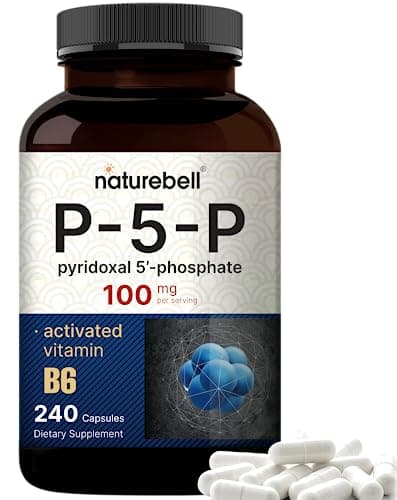
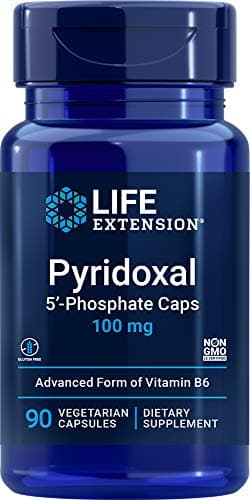
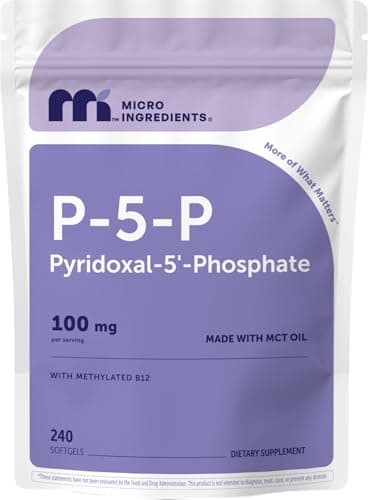

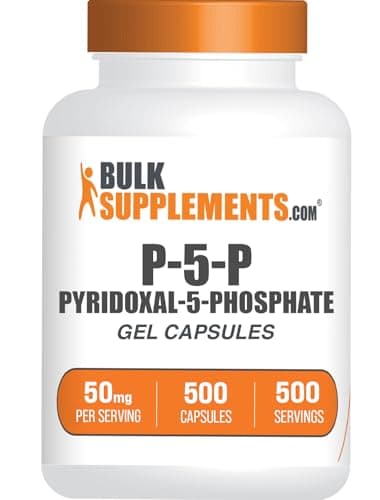
BulkSupplements.com Pyridoxal 5 Phosphate Capsules - P5P…
BulkSupplements.comAmazon.com
$4.99/serving
$24.960°
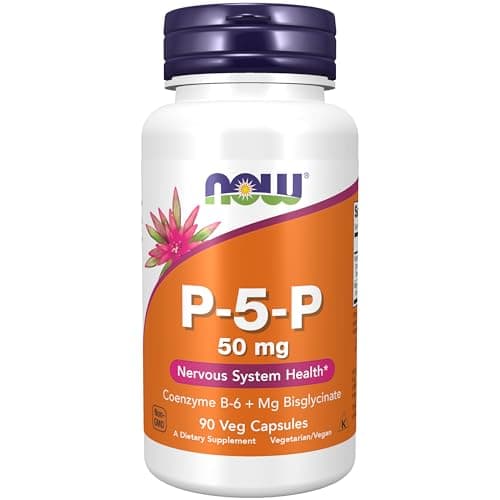
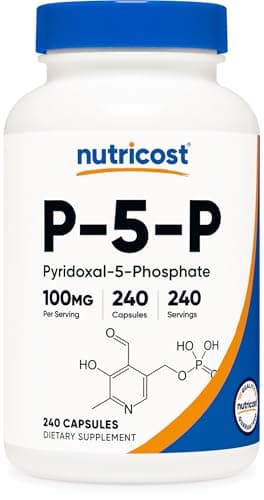
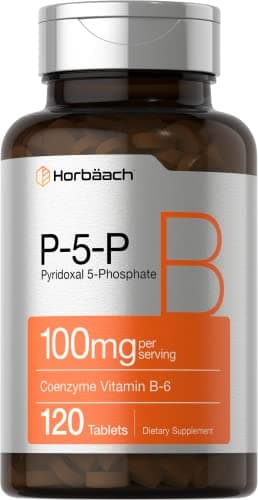
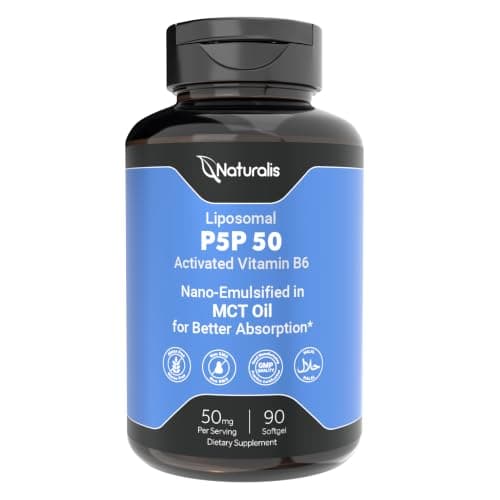
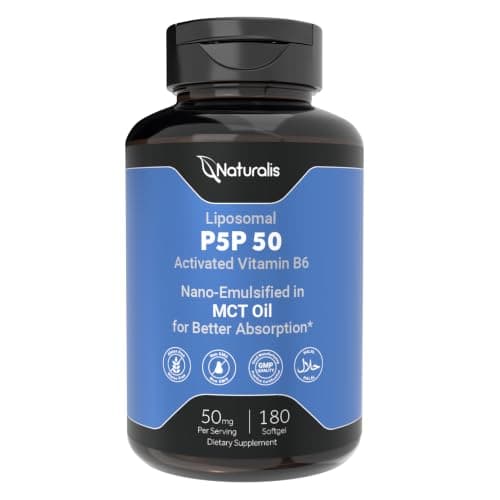
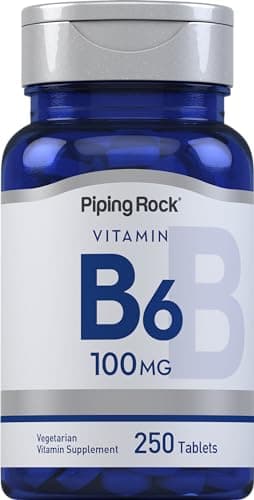
Piping Rock Vitamin B6 100mg Tablets | 250 Pills | Supplement…
Piping RockAmazon.com
$0.04/serving
$9.990°
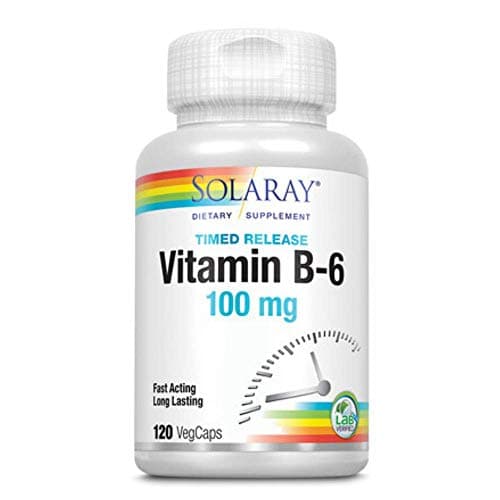
SOLARAY Vitamin B6 100 mg Supplement for Women & Men - Vitamin…
SolarayAmazon.com
$0.13/serving
$15.190°
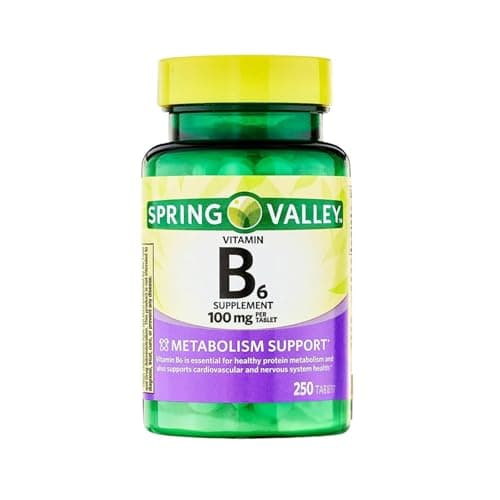

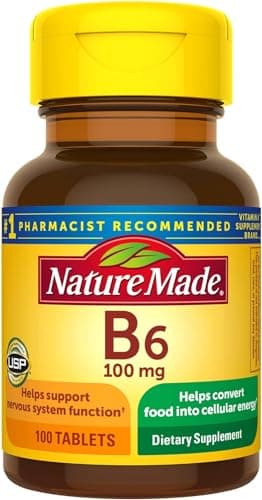
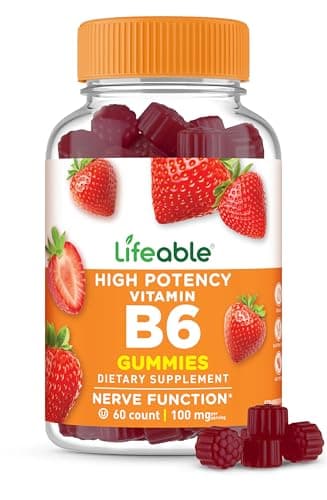
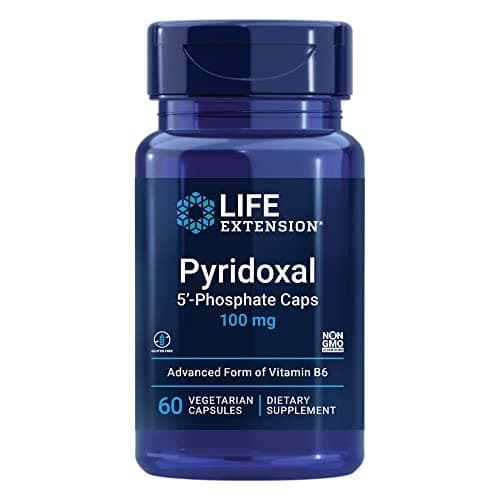
Life Extension Pyridoxal 5'-Phosphate Caps—Vitamin B6, 100 mg
Life ExtensionAmazon.com
$0.28/serving
$16.500°
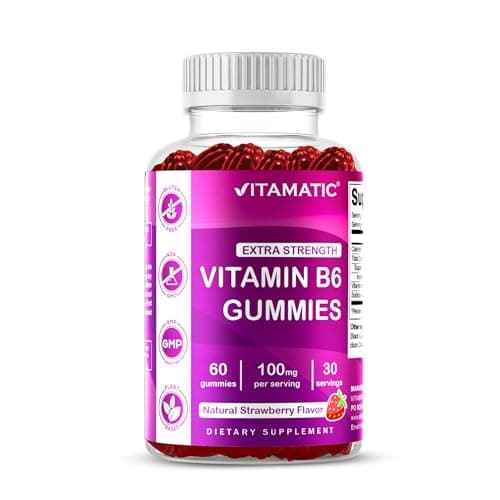
Every Vitamin B6 (Pyridoxine) deal above is ranked by real cost per dose with no paid placement — see our and .
Independent testing
3 of 64 tracked Vitamin B6 (Pyridoxine) brands here are flagged as carrying independent third-party testing — a voluntary check of a product's identity, potency and contaminants by an outside lab. It's a quality signal, not a value or efficacy claim. Confirm any brand's current status on the official registries:
Testing status is self-reported by the brand or drawn from public certification and may change — always verify on the official registry before purchase.
Vitamin B6 (Pyridoxine) — dosage, safety & deals FAQ
- How much Vitamin B6 do you need per day?
The rises with age. Adults 19-50 need 1.3 mg; men 51+ need 1.7 mg and women 51+ need 1.5 mg. Children range from 0.5 mg (1-3 yrs) to 1.0 mg (9-13 yrs). Pregnancy is 1.9 mg and lactation 2.0 mg. Infants have Adequate Intakes of 0.1-0.3 mg. — per the NIH Office of Dietary Supplements; general information, not medical advice.
- Can you take too much Vitamin B6?
Yes. The for adults 19+ is 100 mg/day. Chronic intake of 1-6 g oral pyridoxine daily for 12-40 months can cause severe, progressive sensory neuropathy with ataxia. Other effects include painful skin lesions, photosensitivity, and gastrointestinal symptoms like nausea and heartburn. — per the NIH Office of Dietary Supplements; general information, not medical advice.
- What are the signs of Vitamin B6 deficiency?
Deficiency is associated with microcytic anemia, electroencephalographic abnormalities, dermatitis with cheilosis (scaling lips, cracked mouth corners), glossitis (swollen tongue), depression and confusion, and weakened immune function. In infants it causes irritability, abnormally acute hearing, and convulsive seizures. — per the NIH Office of Dietary Supplements; general information, not medical advice.
- Who is most likely to need more Vitamin B6?
Groups most likely to have inadequate vitamin B6 include people with impaired renal function (end-stage renal disease, chronic renal insufficiency, dialysis, or kidney transplant), those with autoimmune disorders such as rheumatoid arthritis, celiac disease, Crohn's disease, and ulcerative colitis, and people with alcohol dependence. — per the NIH Office of Dietary Supplements; general information, not medical advice.
Vitamin B6 (Pyridoxine) guides
Related vitamins
References & sources
- Vitamin B6: Fact Sheet for Health Professionals — NIH Office of Dietary Supplements
- USP Verified product participants — U.S. Pharmacopeia
- NSF certified products — NSF
We link primary sources and paraphrase their findings — never copy their text, tables, or images. Cost-per-dose figures are our own first-party catalog data.