![[2 Pack] Liposomal Glutathione Supplement 1100 mg with Vitamin…](/_next/image?url=https%3A%2F%2Fm.media-amazon.com%2Fimages%2FI%2F51JL6L9K2NL._AC_SL1500_.jpg&w=3840&q=75)
🍊
Vitamin C
vitamin · 198 active deals
How much does Vitamin C cost?
The best-value Vitamin C right now is about $0.04 per dose — across the 75 we can price per dose the median is $0.125/dose, so shopping on cost-per-dose can cut your cost several-fold. Every Vitamin C deal here is ranked by cost per dose — what you actually pay per serving, not the sticker price — because forms and absorption differ, so the cheapest bottle isn’t always the cheapest dose.
Prices checked · live from the Amazon US catalog.
Right now the best value across our full Vitamin C catalog is at $0.04 per serving.
Median $0.125/servingCheapest quartile under $0.084across 75 tracked Vitamin C deals
Recommended daily intake
Daily Value 90 mgUpper limit 2,000 mg
Absorption falls at high single doses; splitting doses helps. General FDA/NIH adult guidance — not medical advice.
What Vitamin C does
Vitamin C (L-ascorbic acid) is an essential water-soluble vitamin that the body cannot make on its own; per the NIH Office of Dietary Supplements it is required for the biosynthesis of collagen, L-carnitine, and certain neurotransmitters, is involved in protein metabolism, and acts as an important physiological antioxidant that also helps regenerate other antioxidants such as vitamin E. It also plays a role in immune function and improves the absorption of nonheme iron, while too little vitamin C causes scurvy. Because of its antioxidant and immune roles, it has been promoted for and studied in conditions such as cancer (prevention and treatment), cardiovascular disease, age-related macular degeneration and cataracts, and the common cold; however, the NIH notes the evidence is not conclusive — for example, while some case-control studies link higher dietary vitamin C to lower cancer risk, results from prospective cohort studies are inconsistent and most randomized controlled trials have found that vitamin C supplementation, alone or with other nutrients, does not affect cancer risk. More research is needed before firm conclusions can be drawn — per the NIH Office of Dietary Supplements; not medical advice.
Forms & absorption
Per the NIH Office of Dietary Supplements, supplements most commonly contain vitamin C as ascorbic acid, which has a bioavailability equivalent to that of the ascorbic acid naturally occurring in foods such as orange juice and broccoli. Other forms include sodium ascorbate, calcium ascorbate, other mineral ascorbates, ascorbic acid with bioflavonoids, and combination products such as Ester-C. NIH notes that the few human studies comparing these forms found largely similar plasma vitamin C levels (one study reported Ester-C produced higher leukocyte concentrations at 24 hours, while another found no differences among ascorbic acid, Ester-C, and ascorbic acid with bioflavonoids), and that the relatively low cost of plain ascorbic acid led those authors to conclude it is the preferred supplemental source.
Food sources of Vitamin C
The best sources of vitamin C are fruits and vegetables, especially citrus fruits, red and green peppers, kiwifruit, broccoli, strawberries, and Brussels sprouts; orange juice, grapefruit juice, and tomato juice also contain large amounts. Citrus fruits, tomatoes and tomato juice, and potatoes are major contributors to the American diet, and vitamin C is added to some fortified breakfast cereals. Because ascorbic acid is water soluble and destroyed by heat, cooking and prolonged storage can reduce a food's vitamin C content — per the NIH Office of Dietary Supplements.
When and how to take Vitamin C
Vitamin C is water-soluble and can be taken any time of day, with or without food. Because the body absorbs it better in smaller amounts, splitting a large dose into two improves uptake and is gentler on the gut.
Can you take Vitamin C with other supplements?
Taken alongside iron, vitamin C markedly increases iron absorption — useful if you are treating low iron. It stacks fine with most other supplements.
Vitamin C side effects
High doses can cause stomach upset or loose stools; cutting back or splitting the dose resolves it.
General guidance on timing and absorption, not medical advice. Check with a clinician about your medications and conditions.


Quercetin with Zinc 500mg - 120 Vegan Capsules 60 Day Supply
BoostCeuticalsAmazon.com
$0.22/serving
$25.950°


Lutein and Zeaxanthin Supplement - AREDS 2 Plus+ Eye Vitamins
FIDERNICAmazon.com
$0.10/serving
$29.990°


Nature’s Bounty Gentle Iron 28 mg Capsules with Vitamin C
Nature's BountyAmazon.com
$0.06/serving
$9.980°


Research Labs Liposomal Vitamin C Supplement w/Enhanced…
Research LabsAmazon.com
$0.07/serving
$16.990°

Stonehenge Health Dynamic Liposomal Vitamin C 1500mg…
Stonehenge HealthAmazon.com
$0.57/serving
$154.990°


ForestLeaf Liposomal Vitamin C 1400mg Capsules | High Dose…
ForestLeafAmazon.com
$0.15/serving
$17.950°


Micro Ingredients Glutathione 500mg with 100mg Vitamin C…
Micro IngredientsAmazon.com
$0.12/serving
$28.990°


Resilia Milk Thistle Silymarin – 300 mg Supplement…
Resilia Oil Of OreganoAmazon.com
$0.40/serving
$11.990°

KSM-66 Ashwagandha 1,000mg Per Serving | 120 Veggie Capsules…
Micro IngredientsAmazon.com
$0.13/serving
$15.990°


Lutein and Zeaxanthin Supplement - AREDS 2 Plus+ Eye Vitamins…
FIDERNICAmazon.com
$0.13/serving
$19.990°

Herbtonics Liposomal Vitamin C Capsules 1500mg Immune Support…
HerbtonicsAmazon.com
$0.12/serving
$14.990°

aSquared Nutrition Vitamin C Liposomal Complex - 1500mg…
aSquared NutritionAmazon.com
$0.39/serving
$34.950°


NatureWise Cranberry Pills for Women - 500mg Cranberry Extract…
NatureWiseAmazon.com
$0.17/serving
$9.990°

Doctor's Recipes Iron Supplement 65 mg with Vitamin C…
Doctor's RecipesAmazon.com
$0.27/serving
$16.290°


Nature Made Vitamin C 1000 mg Time Release Tablets with Rose…
Nature MadeAmazon.com
$0.23/serving
$13.980°


BulkSupplements.com Vitamin C with Rose Hips Capsules…
BulkSupplements.comAmazon.com
$0.12/serving
$20.960°


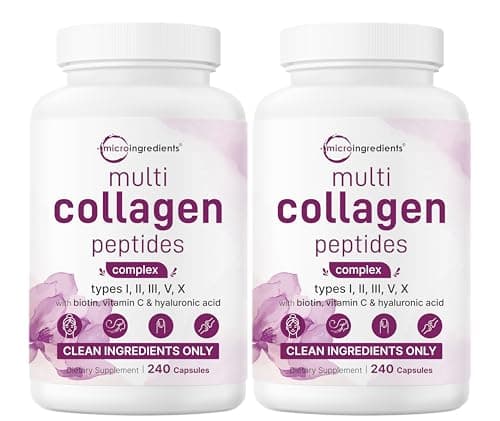
Micro Ingredients 2 Pack Multi Collagen Pills for Women & Men
Micro IngredientsAmazon.com
$0.04/serving
$39.990°

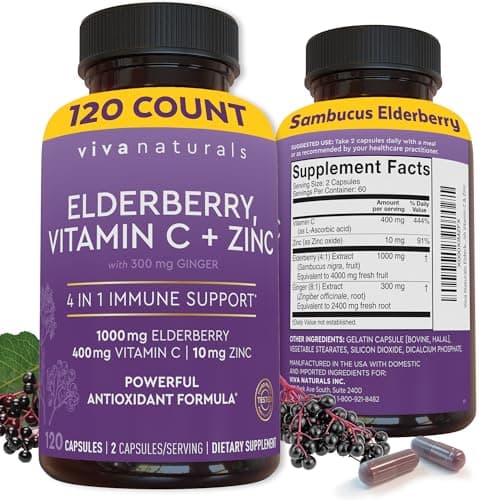
Elderberry Capsules | 1000mg Sambucus Elderberry with Zinc…
NutraChampsAmazon.com
$0.17/serving
$19.950°


Bluebonnet Nutrition Earthsweet Zinc Lozenges 15mg Chewables
BluebonnetAmazon.com
$0.20/serving
$11.960°


Stonehenge Health Dynamic Liposomal Vitamin C 1500mg…
Stonehenge HealthAmazon.com
$0.61/serving
$54.950°

Viminz Liposomal Vitamin C 1500mg – 180 Capsules – Made in USA…
ViminzAmazon.com
$0.14/serving
$24.990°


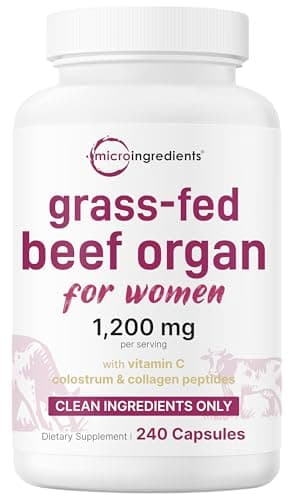
Micro Ingredients Grass‑Fed Beef Organ Supplement for Women…
Micro IngredientsAmazon.com
$0.10/serving
$23.990°

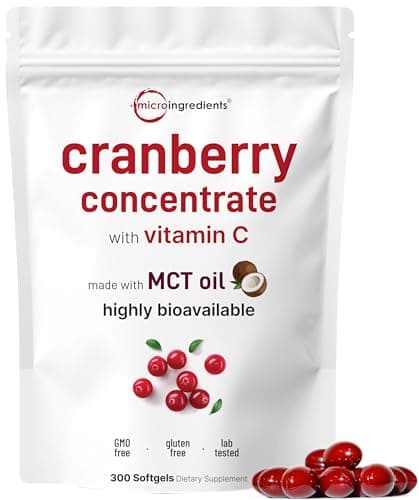

Cranberry Supplement 36 mg PAC with D-Mannose & Vitamin C
Inner BrightnessAmazon.com
$0.24/serving
$21.960°
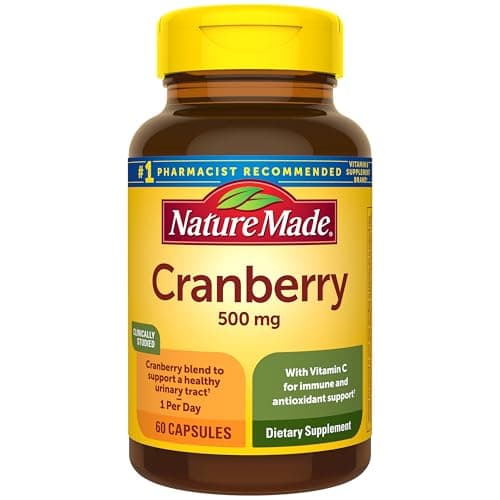
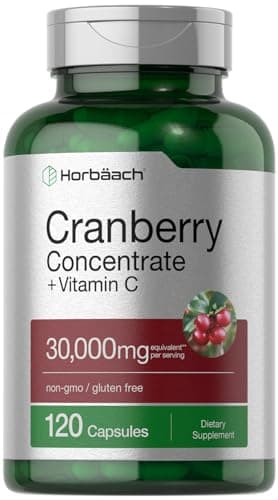
Every Vitamin C deal above is ranked by real cost per dose with no paid placement — see our and .
Independent testing
2 of 48 tracked Vitamin C brands here are flagged as carrying independent third-party testing — a voluntary check of a product's identity, potency and contaminants by an outside lab. It's a quality signal, not a value or efficacy claim. Confirm any brand's current status on the official registries:
Testing status is self-reported by the brand or drawn from public certification and may change — always verify on the official registry before purchase.
Vitamin C — dosage, safety & deals FAQ
- How much Vitamin C do you need per day?
The is 90 mg for adult men and 75 mg for adult women (19+); 85 mg in pregnancy and 120 mg during lactation. Children and teens range from 15 to 75 mg by age, and infants have Adequate Intakes of 40-50 mg. People who smoke need 35 mg more per day. — per the NIH Office of Dietary Supplements; general information, not medical advice.
- Can you take too much Vitamin C?
Vitamin C has low toxicity. High doses can cause diarrhea, nausea, abdominal cramps, and other gastrointestinal disturbances. The ranges from 400 to 2,000 mg depending on age, reaching 2,000 mg for adults 19+. Long-term intakes above the UL may increase the risk of adverse effects. — per the NIH Office of Dietary Supplements; general information, not medical advice.
- What are the signs of Vitamin C deficiency?
Deficiency causes scurvy, with signs appearing within 1 month of intake below about 10 mg/day. Early symptoms include fatigue, malaise, and gum inflammation. As it progresses: petechiae, ecchymoses, purpura, joint pain, poor wound healing, hyperkeratosis, corkscrew hairs, swollen bleeding gums, and tooth loss. Untreated, scurvy is fatal. — per the NIH Office of Dietary Supplements; general information, not medical advice.
- Who is most likely to need more Vitamin C?
Groups at risk of inadequacy include people who smoke and those exposed to secondhand smoke; infants fed evaporated or boiled milk; people who eat a limited variety of food; and people with malabsorption and certain chronic diseases, such as severe intestinal malabsorption, cachexia, some cancers, and end-stage renal disease on hemodialysis. — per the NIH Office of Dietary Supplements; general information, not medical advice.
Vitamin C guides
Related vitamins
References & sources
- Vitamin C: Fact Sheet for Health Professionals — NIH Office of Dietary Supplements
- USP Verified product participants — U.S. Pharmacopeia
- NSF certified products — NSF
We link primary sources and paraphrase their findings — never copy their text, tables, or images. Cost-per-dose figures are our own first-party catalog data.