How much protein per day? Grams by body weight — and the cheapest way to hit it
Quick answer
The RDA is 0.8 g of protein per kg of body weight — enough to prevent deficiency, not to build muscle. For gaining or maintaining muscle, a large meta-analysis points to about 1.6 g/kg per day (roughly 0.7 g per pound); more than that adds little. A 70 kg person aiming for muscle needs ~112 g/day.
Alex Soto, Founder, VitaminDB
6 min readUpdated 7/31/2026 NIH-sourced
On this page
"How much protein?" has two different answers depending on the goal, and conflating them is why the advice feels contradictory.
The RDA is a floor, not a target
The official RDA is 0.8 g of protein per kg of body weight per day. That number is set to prevent deficiency in the general population — it is not the amount that builds or preserves muscle. Using the RDA as a muscle-building target is the single most common mistake.
For muscle: about 1.6 g/kg
The most-cited synthesis here is a 2018 meta-analysis (Morton et al.) pooling resistance-training studies. It found protein intake boosted strength and muscle gains up to roughly 1.6 g/kg/day, after which more protein added little. Individual needs vary — some people benefit up to ~2.2 g/kg, especially when dieting or older — but 1.6 g/kg is the practical target for most people training for muscle.
In pound terms, 1.6 g/kg is about 0.7 g per pound of body weight.
Your number by body weight
Multiply your weight in kg by the factor:
- RDA floor (0.8 g/kg): 60 kg → 48 g · 70 kg → 56 g · 80 kg → 64 g · 90 kg → 72 g
- Muscle target (1.6 g/kg): 60 kg → 96 g · 70 kg → 112 g · 80 kg → 128 g · 90 kg → 144 g
(To convert pounds to kg, divide by 2.2. A 175 lb person is ~80 kg → ~128 g for muscle.)
Spread it across the day — roughly 20–40 g per meal is a sensible way to hit the total, though total daily intake matters most.
Two notes from the NIH fact sheet on supplements for exercise. First, the practical route: athletes who require additional protein can obtain it by consuming more protein-containing foods and, if needed, protein supplements — food first, powder as a convenience. Second, the limit of what is known: it advises caution for those obtaining high protein intakes from foods and supplements, because data on potential adverse effects are limited.
The cheapest way to close the gap
Whole foods should do most of the work; powder is just a convenient, cheap way to top up a shortfall. The key move when buying is to ignore the tub price and look at cost per gram of protein — a "cheaper" tub with 18 g per scoop can cost more per gram than a pricier one with 25 g.
- Whey concentrate is usually the best value per gram of protein.
- Isolate costs more for a marginally higher protein percentage and lower lactose — worth it mainly if lactose bothers you.
- Plant blends (pea/rice) are the pick for vegans; compare them on the same cost-per-gram basis.
We rank protein by cost per gram of actual protein on the protein hub, and the protein powder cost-per-gram guide walks through the math (methodology).
Bottom line
Use 0.8 g/kg only as the deficiency floor. To build or keep muscle, aim for about 1.6 g/kg/day (≈0.7 g/lb) — so ~112 g for a 70 kg person. Hit it with food first, top up with the powder that's cheapest per gram of protein, not per tub. Not medical advice.
Covered nutrients: Protein Powder, Whey Protein
See the live cost-per-dose data
This guide is editorial — the prices below are real and current.
Frequently asked questions
How much protein do I need per day?
The RDA is 0.8 g per kg of body weight to avoid deficiency. To build or maintain muscle, evidence points to about 1.6 g/kg/day (roughly 0.7 g per pound). So a 70 kg (154 lb) person needs about 56 g for the RDA floor, or about 112 g if training for muscle. This is general information, not medical advice.
Is 1.6 g/kg the same as grams per pound?
Roughly, 1.6 g/kg works out to about 0.7 g per pound of body weight. A simple shortcut many people use is "about 1 g per pound of goal body weight," which slightly overshoots 1.6 g/kg but stays in a safe, effective range for most.
Can you eat too much protein?
Studies find little added muscle benefit above roughly 1.6 g/kg (some individuals may go to ~2.2 g/kg). Very high intakes aren't clearly harmful for healthy people but mostly waste money. If you have kidney disease, talk to a clinician before increasing protein.
Do I need protein powder?
No — whole foods work fine. Powder is just a cheap, convenient way to close a daily gap. If food gets you to your target, you don't need it. When you do use it, compare on cost per 30 g of protein, not price per tub.
Where these numbers come from
Cost figures on this page are computed from 84 active Protein Powder / Whey Protein listings we track, last re-priced . Cost per dose is price ÷ (servings × dose), computed per listing — not a price we are quoted. Listings under $1 or with fewer than 3 servings are excluded, because both are usually a parse error rather than a bargain.
- Amazon.com · 84
Prices move. Figures written into the text are re-checked against live data on a schedule; the ranking pages are always the current number.
Sources
Health claims on this page are drawn from these sources. Prices and cost-per-dose figures come from our own tracked listings, not from the sources below.
- 1.Dietary Supplements for Exercise and Athletic Performance: Fact Sheet for Health Professionals — NIH Office of Dietary Supplements
Deals on these nutrients
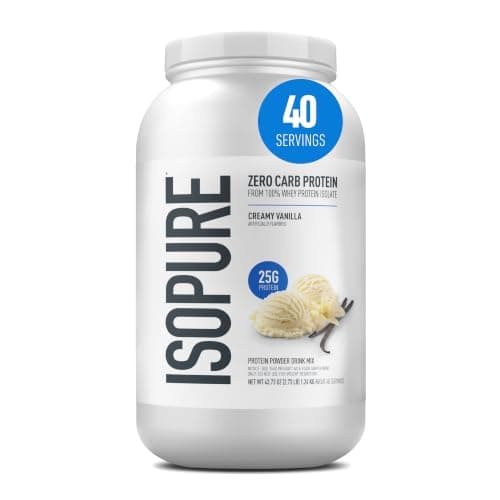
Isopure Zero Carb 100% Pure Whey Isolate Protein Powder
Cost per serving
$2.04
44 servings · ~44-day supply
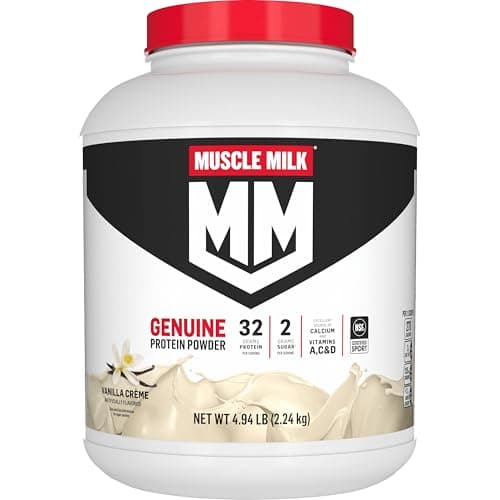
Muscle Milk Genuine Protein Powder
Cost per serving
$1.85
32 servings · ~32-day supply
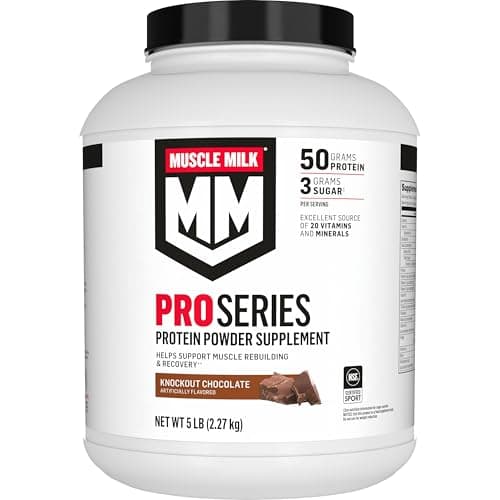
Muscle Milk Pro Series Protein Powder
Cost per serving
$2.50
28 servings · ~28-day supply
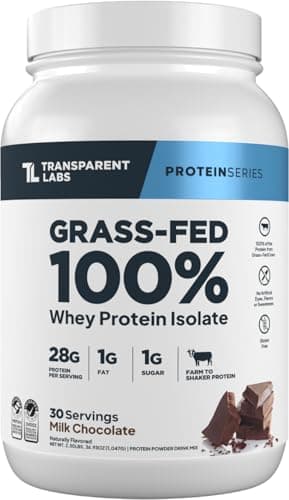
Transparent Labs Grass-Fed Whey Protein Isolate - Naturally…
Cost per serving
$2.17
30 servings · ~30-day supply
Related guides
Whey isolate vs concentrate: which is worth it per gram of protein
Concentrate is usually the best value per gram of protein; isolate is the low-lactose, leaner scoop. Both build muscle equally — decide by cost per gram.
Protein Powder Cost Per Gram: Compare the Right Way
Learn how to compare protein powder by cost per gram of actual protein — not per tub or scoop — with a worked example and real VitaminDB price data.
Are BCAA Supplements Worth It? The Honest Evidence and Cost
BCAAs are one of the best-selling gym supplements. Here's what NIH says the evidence actually shows, why your protein powder may already cover them, and how to compare BCAA by cost per gram.
The Full GLP-1 Supplement Stack: What to Take & Cost Per Day
A cost-per-dose companion supplement stack for GLP-1 users (Ozempic/Mounjaro): protein, vitamin D, magnesium, B12, omega-3 — and the full daily cost.