Whey isolate vs concentrate: which is worth it per gram of protein
Quick answer
Whey concentrate (~70-80% protein) is usually the best value per gram and builds muscle just as well as isolate (~90% protein), so buy isolate only if lactose bothers you or you're cutting — and always compare by cost per gram of protein, not price per tub.
Alex Soto, Founder, VitaminDB
6 min readUpdated 7/31/2026 NIH-sourced
Whey concentrate
best value
Whey isolate
low-lactose
Protein by weight
Lactose & fat
Cost per gram of protein
Best for
Verdict: Both build muscle equally, so pick by tolerance and budget: concentrate for value, isolate if lactose bothers you or you're cutting.
On this page
Whey concentrate and whey isolate come from the same milk protein — the difference is how far it's filtered. Concentrate stops at roughly 70-80% protein by weight, keeping a little more carbohydrate, fat, and lactose. Isolate is filtered further to about 90% protein, stripping most of the lactose and fat. Both build muscle equally well when you match total protein, so the honest way to choose is cost per gram of actual protein, not the price on the tub.
What the two forms actually are
- Concentrate — ~70-80% protein. The remaining 20-30% is a small amount of carbs (including lactose), fat, and moisture. Usually the cheapest whey per gram of protein.
- Isolate — ~90% protein. Extra filtering (microfiltration or ion-exchange) removes most of the lactose and fat, so you get more protein per scoop with fewer extras. That processing is why it costs more.
Hydrolysate is a third option — isolate that's been partially "pre-digested." It's the priciest, and the everyday benefit for most people is small, so it rarely wins on cost per gram.
Do they build muscle differently?
No meaningful difference. Muscle protein synthesis responds to the amount of protein (and leucine) you take in, not to the filtration grade. Match the grams and both forms perform the same. Marketing that implies isolate is "more anabolic" is selling the label, not the outcome.
Neither form is special in the NIH's account of protein supplements — it notes simply that many protein supplements consist of a combination of these protein sources and that athletes who need extra protein can get it from more protein-containing foods and, if needed, supplements. The choice below is about digestion and price, not about a different result.
When isolate is worth the premium
- Lactose bothers you. Isolate keeps only trace lactose, so it's the sensible pick if concentrate leaves you bloated or gassy.
- You're cutting and counting every gram. Isolate delivers more protein and fewer carbs and fat per scoop, which helps when calories or macros are tight.
- You want the leanest possible scoop. If you'd rather spend your carbs and fat on food, isolate keeps the shake close to pure protein.
When concentrate is the smarter buy
- You just want protein at the best price. For most people with no lactose issue, concentrate delivers the same muscle result for less money per gram.
- The extra few grams of carbs and fat don't matter. Around a workout or in a normal diet, that small amount is a non-issue.
- You mix into food or smoothies. The slightly richer taste and texture of concentrate is often a plus here.
The lactose question
Concentrate contains more lactose because less of it is filtered out — that's the usual reason a whey shake causes bloating or gas. Isolate removes most of it, so if dairy is a mild trigger, isolate often solves the problem. If you're truly lactose intolerant, a lactase enzyme or a non-dairy protein may serve you better than either whey.
How to compare them by cost
Ignore the tub price and the "per serving" number on the front — scoop sizes and protein percentages differ, so those hide the real cost. Do this instead:
- Find protein grams per serving on the label.
- Divide the tub price by (grams per serving × servings per tub) to get price per gram of protein.
- Compare that number across concentrate and isolate.
Concentrate usually wins on cost per gram; isolate closes the gap only when it's on sale, or when the lactose and leanness benefit is worth the premium to you.
Bottom line
Both build muscle equally, so let your gut and your budget decide. No lactose issue and want value? Concentrate. Lactose-sensitive or cutting? Isolate. Then compare specific tubs by real cost per gram of protein — see current picks on the whey protein hub and best-value whey, ranked by cost per gram, not sticker price (methodology).
Covered nutrients: Whey Protein, Protein Powder
See the live cost-per-dose data
This guide is editorial — the prices below are real and current.
Frequently asked questions
Is whey isolate better than concentrate?
Not for building muscle — they perform the same when you match total protein. Isolate is more processed (~90% protein) with less lactose and fat, which makes it the leaner, lower-lactose scoop, but concentrate (~70-80% protein) is usually cheaper per gram. Better depends on whether you value lactose tolerance and leanness or lower cost. Not medical advice.
Which whey is better for lactose intolerance?
Isolate. The extra filtering removes most of the lactose, so it's the usual pick if concentrate leaves you bloated or gassy. If you're truly lactose intolerant, a lactase enzyme or a non-dairy protein may work better than either whey. Not medical advice.
Which whey is cheaper per gram of protein?
Concentrate, usually. Because it's filtered less, more of the tub is the cheaper concentrate and you pay less per gram of actual protein. Isolate closes the gap only when it's on sale. Compare by dividing tub price by total grams of protein, not by the per-serving number on the front.
Does whey isolate build more muscle than concentrate?
No meaningful difference. Muscle protein synthesis responds to the amount of protein and leucine you take in, not to the filtration grade. Match the grams and both forms give the same result. Not medical advice.
Where these numbers come from
Cost figures on this page are computed from 84 active Whey Protein / Protein Powder listings we track, last re-priced . Cost per dose is price ÷ (servings × dose), computed per listing — not a price we are quoted. Listings under $1 or with fewer than 3 servings are excluded, because both are usually a parse error rather than a bargain.
- Amazon.com · 84
Prices move. Figures written into the text are re-checked against live data on a schedule; the ranking pages are always the current number.
Sources
Health claims on this page are drawn from these sources. Prices and cost-per-dose figures come from our own tracked listings, not from the sources below.
- 1.Dietary Supplements for Exercise and Athletic Performance: Fact Sheet for Health Professionals — NIH Office of Dietary Supplements
Deals on these nutrients
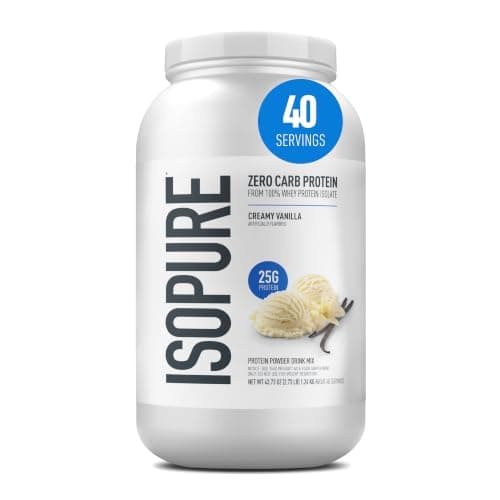
Isopure Zero Carb 100% Pure Whey Isolate Protein Powder
Cost per serving
$2.04
44 servings · ~44-day supply
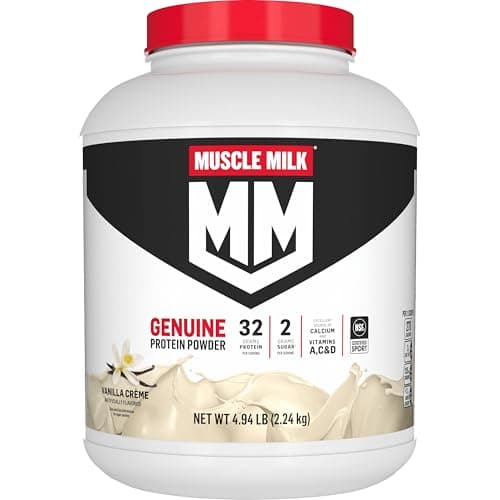
Muscle Milk Genuine Protein Powder
Cost per serving
$1.85
32 servings · ~32-day supply
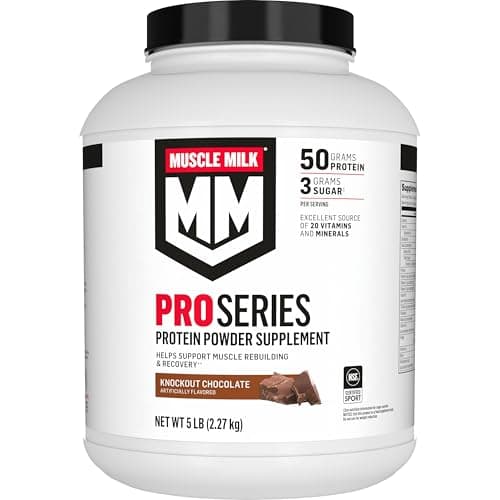
Muscle Milk Pro Series Protein Powder
Cost per serving
$2.50
28 servings · ~28-day supply
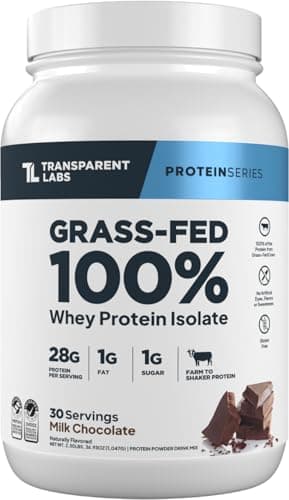
Transparent Labs Grass-Fed Whey Protein Isolate - Naturally…
Cost per serving
$2.17
30 servings · ~30-day supply
Related guides
How much protein per day? Grams by body weight — and the cheapest way to hit it
The RDA of 0.8 g/kg is the floor to avoid deficiency, not the target for muscle. For building and keeping muscle, evidence points to about 1.6 g/kg. Your numbers by body weight, plus the cheapest way to close the gap with powder.
Protein Powder Cost Per Gram: Compare the Right Way
Learn how to compare protein powder by cost per gram of actual protein — not per tub or scoop — with a worked example and real VitaminDB price data.
Are BCAA Supplements Worth It? The Honest Evidence and Cost
BCAAs are one of the best-selling gym supplements. Here's what NIH says the evidence actually shows, why your protein powder may already cover them, and how to compare BCAA by cost per gram.
The Full GLP-1 Supplement Stack: What to Take & Cost Per Day
A cost-per-dose companion supplement stack for GLP-1 users (Ozempic/Mounjaro): protein, vitamin D, magnesium, B12, omega-3 — and the full daily cost.