Are BCAA Supplements Worth It? The Honest Evidence and Cost
Quick answer
For most people who already eat enough protein, a separate BCAA supplement probably isn't worth it. The branched-chain amino acids (leucine, isoleucine, valine) are already in every complete protein — whey especially is rich in them — and NIH says the evidence that extra BCAAs build muscle or aid recovery beyond adequate protein is inconsistent. Short training studies used about 10 to 14 g a day. If you still want them, compare products by cost per gram of BCAA, and check whether the protein you already buy delivers them cheaper. This is general information, not medical advice.
Alex Soto, Founder, VitaminDB
6 min readUpdated 7/18/2026 NIH-sourced
On this page
BCAAs — the branched-chain amino acids leucine, isoleucine and valine — are one of the most heavily marketed supplements in any gym. The pitch is muscle growth, faster recovery, less soreness. The honest version is more deflating, and it starts with a question the marketing avoids: do you actually need to buy them separately at all?
We sell nothing and don't care whether you buy BCAAs. We rank them by cost per gram like every other supplement.
What BCAAs are, and why the body cares about them
Three of the nine essential amino acids — leucine, isoleucine and valine — are "branched-chain" by their chemical structure. Per the NIH Office of Dietary Supplements, they make up roughly 14–18% of the amino acids in human muscle protein, and unlike other essential amino acids they can be burned for energy directly in muscle during exercise. Leucine in particular can help switch on muscle protein synthesis. That mechanism is real, and it's why BCAAs became a supplement in the first place.
The leap the marketing makes is from "leucine signals muscle building" to "you should buy a tub of BCAA powder." That leap is where the evidence gets shaky.
What the evidence actually shows
Here is the ODS assessment, quoted rather than paraphrased, because the hedges matter:
The limited research on the potential ergogenic effects of the BCAAs "has found little evidence to date that supplements of these amino acids improve performance in endurance-related aerobic events." Several short-term studies lasting about 3 to 6 weeks suggest that "about 10–14 g/day supplemental BCAAs might enhance gains in muscle mass and strength during training." Overall, however, "studies to date provide inconsistent evidence of the ability of BCAAs to stimulate muscle protein synthesis beyond the capacity of sufficient dietary amounts of any high-quality protein to perform this function."
Read that last clause twice. The question isn't whether BCAAs do nothing — it's whether they do anything extra, once you're already eating enough protein. And on that question the evidence is inconsistent.
The part that makes most BCAA purchases pointless
Complete proteins already contain all three BCAAs. Meat, eggs, dairy, and — above all — whey protein are loaded with them. ODS states plainly that consuming complete proteins "automatically increases consumption of BCAAs," and singles out whey, which "has more leucine than either casein or soy."
So if you drink a whey shake, you are already taking a substantial BCAA dose. Buying a separate BCAA product on top of that is, for most people, paying twice for the same amino acids. This is the fact the marketing leaves out, and it's the one no BCAA brand will tell you.
There are narrow cases where isolated BCAAs might make sense — for example, someone training fasted who wants amino acids intra-workout without the calories of a full protein — but even there the practical benefit over just eating protein is unproven.
Safety
Per ODS, up to 20 g a day of BCAAs in divided doses appears to be safe, with no known adverse effects at those intakes. For leucine alone, studies suggest an upper safe limit around 500 mg per kg of body weight per day. These are supplements, not drugs, and the safety margin is wide — the issue with BCAAs is value, not risk.
How to compare BCAAs by cost per gram
If, knowing all of the above, you still want a dedicated BCAA supplement, compare it the only way that isn't rigged by packaging: cost per gram of BCAA.
- Cost per serving = bottle price ÷ servings per container.
- Cost per gram = divide by the grams of BCAA per serving (on the Supplement Facts panel — watch for products padding the number with electrolytes or added aminos).
- The reality check: work out the cost per gram of BCAA in the whey protein you already buy. If your protein delivers BCAAs cheaper, the separate tub is a worse deal.
Our best BCAA by cost per dose page ranks products by cost per gram, and our best protein page lets you run that comparison. Because prices move, we link to the live rankings rather than name a product here.
Bottom line
BCAAs are a real thing with a real mechanism and a weak case for buying them separately. The evidence that they help beyond adequate protein is inconsistent, and if you already eat enough protein — especially whey — you're likely paying twice. If you try them anyway, they're low-risk, so the only thing to optimize is price: buy on cost per gram, and check that it beats the BCAAs already in your protein. Start with the cost-per-gram ranking.
This is general information, not medical advice — talk to a clinician before starting any supplement.
Covered nutrients: BCAA, Protein Powder
See the live cost-per-dose data
This guide is editorial — the prices below are real and current.
Frequently asked questions
Do BCAA supplements actually build muscle?
The evidence is inconsistent. Per the NIH Office of Dietary Supplements, some short studies suggest about 10 to 14 g a day of BCAAs might enhance gains in muscle mass and strength during training, but studies overall "provide inconsistent evidence of the ability of BCAAs to stimulate muscle protein synthesis beyond the capacity of sufficient dietary amounts of any high-quality protein." In plain terms: if your protein intake is already adequate, extra BCAAs likely add little. This is general information, not medical advice.
Do I need BCAAs if I already take whey protein?
Probably not. Complete proteins already contain all three BCAAs, and NIH notes whey "has more leucine than either casein or soy." So a scoop of whey already delivers a meaningful BCAA dose. A separate BCAA tub only makes financial sense if its cost per gram of BCAA beats the BCAA you're already paying for in your protein — which is usually not the case.
How much BCAA per day, and what should it cost?
The short training studies NIH cites used roughly 10 to 14 g a day, and up to 20 g a day in divided doses appears safe. Because bottle and serving sizes vary, compare products by cost per gram of BCAA rather than sticker price. Our ranked page sorts BCAA that way.
Where these numbers come from
Cost figures on this page are computed from 111 active BCAA / Protein Powder listings we track, last re-priced . Cost per dose is price ÷ (servings × dose), computed per listing — not a price we are quoted. Listings under $1 or with fewer than 3 servings are excluded, because both are usually a parse error rather than a bargain.
- Amazon.com · 111
Prices move. Figures written into the text are re-checked against live data on a schedule; the ranking pages are always the current number.
Sources
Health claims on this page are drawn from these sources. Prices and cost-per-dose figures come from our own tracked listings, not from the sources below.
- 1.Dietary Supplements for Exercise and Athletic Performance: Fact Sheet for Health Professionals — NIH Office of Dietary Supplements
Deals on these nutrients
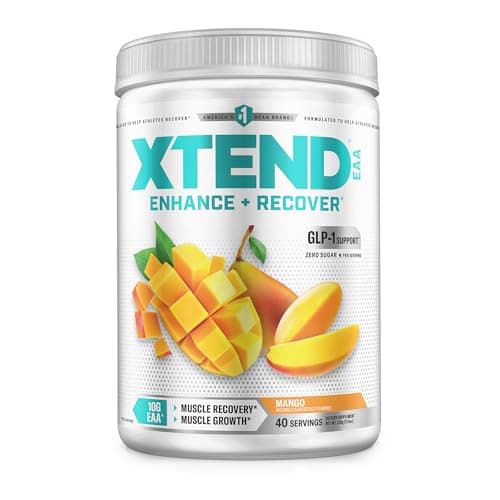
Xtend EAA + BCAA Powder for Muscle Recovery & Lean Muscle…
Cost per serving
$14.00
2 servings · ~2-day supply
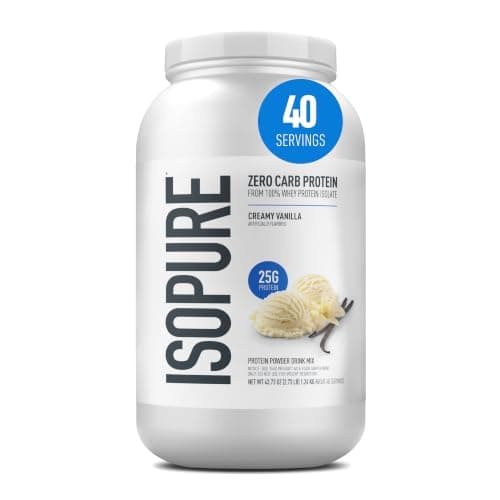
Isopure Zero Carb 100% Pure Whey Isolate Protein Powder
Cost per serving
$2.04
44 servings · ~44-day supply
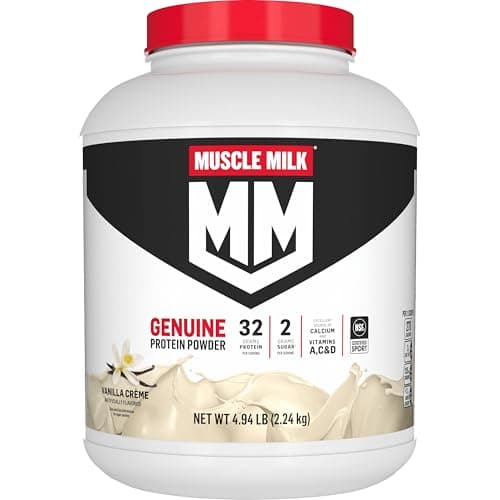
Muscle Milk Genuine Protein Powder
Cost per serving
$1.85
32 servings · ~32-day supply
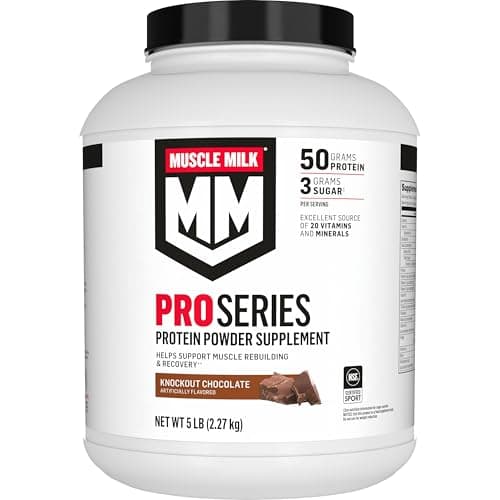
Muscle Milk Pro Series Protein Powder
Cost per serving
$2.50
28 servings · ~28-day supply
Related guides
How much protein per day? Grams by body weight — and the cheapest way to hit it
The RDA of 0.8 g/kg is the floor to avoid deficiency, not the target for muscle. For building and keeping muscle, evidence points to about 1.6 g/kg. Your numbers by body weight, plus the cheapest way to close the gap with powder.
Whey isolate vs concentrate: which is worth it per gram of protein
Concentrate is usually the best value per gram of protein; isolate is the low-lactose, leaner scoop. Both build muscle equally — decide by cost per gram.
The Full GLP-1 Supplement Stack: What to Take & Cost Per Day
A cost-per-dose companion supplement stack for GLP-1 users (Ozempic/Mounjaro): protein, vitamin D, magnesium, B12, omega-3 — and the full daily cost.
Protein Powder Cost Per Gram: Compare the Right Way
Learn how to compare protein powder by cost per gram of actual protein — not per tub or scoop — with a worked example and real VitaminDB price data.