Magnesium glycinate vs citrate: which one to actually buy
Quick answer
For a daily magnesium supplement, glycinate is the gentle, calming pick (best for sleep and sensitive stomachs) and citrate is the cheaper, mildly-laxative one. Both absorb similarly (~30-40%), so choose by tolerance and cost per dose, not by a bioavailability number — and keep supplemental magnesium at or below the 350 mg/day upper limit.
Alex Soto, Founder, VitaminDB
7 min readUpdated 4/22/2026
Magnesium glycinate
calm & gentle
Magnesium citrate
budget
Absorption
Effect on the gut
Cost per dose
Best for
Verdict: Both absorb similarly (~30-40%) — pick by goal, not a bioavailability number. Glycinate for sleep and sensitive stomachs; citrate for value or gentle constipation relief. Keep supplemental magnesium at or below 350 mg/day.
If the question were "which form has the highest absolute bioavailability", the answer would be a wash — both glycinate and citrate land in the 30-40% range, with citrate slightly higher in head-to-head studies. But absorption isn't the only thing that matters when you're picking a daily supplement, and once you factor in dose tolerance and downstream effects, the two forms have meaningfully different use cases.
Glycinate: when calm matters
Magnesium glycinate (also sold as bisglycinate) is magnesium bonded to two glycine molecules. The carrier amino acid is the secret sauce here — glycine is itself a mildly inhibitory neurotransmitter, with documented effects on sleep onset and subjective calm at supraphysiologic doses.
What that translates to in practice:
- Sleep support — taken 30-60 minutes before bed, 200-400 mg elemental magnesium glycinate has the strongest evidence base for shortening sleep latency among the magnesium forms.
- Anxiety profile — controlled trials in mild generalized anxiety show modest benefit from magnesium glycinate that doesn't replicate as cleanly with the inorganic forms.
- Gentle on the gut — even at 400-600 mg elemental, glycinate rarely causes loose stools. You can take a daily-sufficient dose in one sitting without GI compromise.
Cost: $0.10-0.20 per dose at the cheap end of the US market.
Citrate: when budget matters
Magnesium citrate is magnesium bonded to citric acid. Bioavailability is comparable to glycinate, but the citrate counter-ion is mildly osmotic — it draws water into the gut. Therapeutic uses include constipation relief at 300+ mg, but for most users this is an annoying side effect, not a feature.
When citrate is the right pick:
- Daily supplementation under 200 mg elemental — well below the GI tolerance threshold, much cheaper per gram than glycinate.
- You also have mild constipation — the laxative effect becomes a co-benefit instead of a downside.
- Your local pharmacy doesn't stock glycinate — citrate is the second-best option on absorption, and it's stocked everywhere.
Cost: $0.05-0.12 per dose. Often half the price of an equivalent glycinate dose.
The decision tree
- You take it for sleep, anxiety, or muscle relaxation → glycinate. The carrier matters more than the price gap.
- You take it as a generic mineral supplement and your gut is unbothered → citrate. Cheaper, equivalent absorption.
- You take large doses (400+ mg elemental) in a single sitting → glycinate. Citrate at that dose is a laxative.
- You're already taking a multivitamin with magnesium → check the form on the label. If it's oxide, supplement separately with glycinate. If it's citrate or chelated, you may not need to add anything.
What to ignore
- L-threonate marketing claims it crosses the blood-brain barrier better. The evidence is thin, the price is 4× glycinate, and there's no clinical endpoint study showing it outperforms glycinate on cognition.
- Magnesium aspartate is an older form largely replaced by glycinate. No reason to buy it new in 2026.
- Magnesium oxide is a laxative pretending to be a supplement. The 4% absorption rate makes it net more expensive per absorbed milligram than even premium chelates.
For the cheapest current deals on either form, jump to our cost-per-dose ranking on the magnesium nutrient page.
Covered nutrients: Magnesium
See the live cost-per-dose data
This guide is editorial — the prices below are real and current.
Frequently asked questions
Is magnesium glycinate or citrate better?
Neither is universally better — they absorb similarly (both land around 30-40%). Glycinate is the gentler, calming choice people pick for sleep and sensitive stomachs; citrate is cheaper per dose and mildly laxative, which suits people who also want help with constipation. Pick by tolerance and goal, not by a bioavailability number. Not medical advice.
Which magnesium form is best for sleep?
Glycinate is the form usually chosen for sleep because it is well tolerated and non-laxative, so you can take it in the evening without GI upset. Be honest about the evidence though: the research on magnesium and sleep is limited and mixed, and it is not a sedative. Compare glycinate by cost per dose rather than paying up for a sleep-branded blend.
Does magnesium citrate cause diarrhea?
It can at higher doses — citrate draws water into the gut, which is exactly why it doubles as a gentle laxative. That is a feature if you want the constipation help and a drawback if you do not; glycinate is the gentler option for a daily dose. Stay at or below the 350 mg/day supplemental upper limit unless a clinician advises otherwise.
Where these numbers come from
Cost figures on this page are computed from 170 active Magnesium listings we track, last re-priced . Cost per dose is price ÷ (servings × dose), computed per listing — not a price we are quoted. Listings under $1 or with fewer than 3 servings are excluded, because both are usually a parse error rather than a bargain.
- Amazon.com · 168
- SuperSmart · 2
Prices move. Figures written into the text are re-checked against live data on a schedule; the ranking pages are always the current number.
Sources
Health claims on this page are drawn from these sources. Prices and cost-per-dose figures come from our own tracked listings, not from the sources below.
- 1.Magnesium: Fact Sheet for Health Professionals — NIH Office of Dietary Supplements
Deals on these nutrients

Totaria Magnesium Complex 700mg 12 in 1 Magnesium Supplement…
Cost per serving
$0.18
120 servings · ~120-day supply

Magnesium Citrate Capsules 1000mg | High Absorption Supplement…
Cost per serving
$0.15
120 servings · ~120-day supply
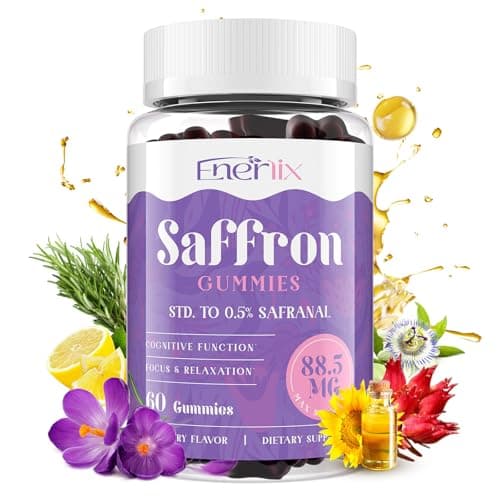
Enerlix Saffron Gummies 88.5 mg with Magnesium
Cost per serving
$0.31
60 servings · ~60-day supply

Hydrogen Water Tablets with 120MG Magnesium
Cost per serving
$0.17
60 servings · ~60-day supply
Related guides
Which supplements not to take together: an honest timing guide
A practical guide to spacing supplements for absorption and safety: calcium vs iron and zinc, iron with vitamin C, zinc and copper, fat-soluble vitamins, and medications.
The Full GLP-1 Supplement Stack: What to Take & Cost Per Day
A cost-per-dose companion supplement stack for GLP-1 users (Ozempic/Mounjaro): protein, vitamin D, magnesium, B12, omega-3 — and the full daily cost.
Testosterone Supplements: What the Evidence Actually Supports
A hedged, evidence-minded look at testosterone supplements: why most "T-booster" blends underdeliver, and the cheap deficiency-correction approach.
Magnesium for sleep: which form, how much, and when to take it
Magnesium won't knock you out like a sedative, but correcting a shortfall can genuinely help sleep and relaxation. Glycinate is the form to reach for — here's the dose, timing, and honest expectations.