Magnesium for sleep: which form, how much, and when to take it
Quick answer
Magnesium won't knock you out like a sedative, but correcting a shortfall can genuinely help sleep and relaxation. Glycinate is the form to reach for — here's the dose, timing, and honest expectations.
Alex Soto, Founder, VitaminDB
6 min readUpdated 6/28/2026 NIH-sourced
On this page
Magnesium is the most-recommended "natural sleep" mineral, and the honest version is more useful than the hype: it's not a knockout pill, but the right form at the right dose can genuinely help — especially if you're running low.
Why magnesium and sleep
Magnesium is involved in nervous-system regulation and muscle relaxation, and it interacts with the pathways that calm you down for sleep. The strongest evidence is for correcting a deficiency — and shortfalls are common in people with GI conditions, type 2 diabetes, alcohol use, and older age (per the NIH). If you're low, topping up can improve sleep quality and reduce that "wired" restlessness. If your magnesium is already adequate, expect a mild effect, not a sedative.
So: worth trying, with realistic expectations.
The form that matters: glycinate
For sleep specifically, magnesium glycinate is the pick — magnesium chelated to glycine, itself a calming amino acid. It's well absorbed and gentle on the gut, so it won't send you to the bathroom at 2am.
How the common forms stack up at night:
- Glycinate — calm, well absorbed, gentle. The default for sleep. (See glycinate vs citrate and glycinate vs oxide.)
- Citrate — also well absorbed and a fine all-rounder, but has a laxative pull at higher doses.
- L-threonate — a premium, brain-targeted form; effective but expensive per dose.
- Oxide — cheap but poorly absorbed; skip it for this. Full breakdown in magnesium forms decoded.
Dose and timing
- Dose: roughly 200–400 mg of elemental magnesium in the evening. Read the elemental figure on the label, not the compound weight (a "500 mg magnesium glycinate" pill contains far less elemental magnesium).
- Ceiling: the supplemental upper limit is **350 mg/day** — overshoot mainly causes loose stools, so don't stack it with other magnesium sources blindly.
- When: about 30–60 minutes before bed, with or without a little food. Consistency beats perfect timing.
Buy it on cost per dose
Glycinate is cheap when you compare correctly. Pick the well-absorbed form, then compare what a real evening dose costs — see best-value magnesium and the magnesium hub. We rank by cost per effective dose, not the sticker price (methodology).
Bottom line
Use magnesium glycinate, ~200–400 mg elemental, 30–60 min before bed. Expect the most benefit if you were low to begin with — and respect the 350 mg supplemental ceiling. It's a gentle aid, not a sleeping pill.
Covered nutrients: Magnesium
See the live cost-per-dose data
This guide is editorial — the prices below are real and current.
Frequently asked questions
Which magnesium is best for sleep?
Glycinate — magnesium bound to the calming amino acid glycine. It's well absorbed and gentle on the stomach, which is exactly what you want at night. Citrate also works and helps regularity but has a mild laxative pull at higher doses; oxide is poorly absorbed; L-threonate is a pricey brain-targeted form.
How much should I take before bed?
A common evening dose is around 200–400 mg of ELEMENTAL magnesium. Note the supplemental upper limit is 350 mg/day (overshoot mainly causes loose stools), so check the elemental amount on the label, not just the compound weight. General reference, not medical advice.
Does magnesium actually work for sleep?
Be realistic. It's not a sedative. The clearest benefit is in people who are low in magnesium — correcting that shortfall can improve sleep quality and reduce restlessness. If your levels are already fine, expect a gentle effect at most.
Where these numbers come from
Cost figures on this page are computed from 170 active Magnesium listings we track, last re-priced . Cost per dose is price ÷ (servings × dose), computed per listing — not a price we are quoted. Listings under $1 or with fewer than 3 servings are excluded, because both are usually a parse error rather than a bargain.
- Amazon.com · 168
- SuperSmart · 2
Prices move. Figures written into the text are re-checked against live data on a schedule; the ranking pages are always the current number.
Sources
Health claims on this page are drawn from these sources. Prices and cost-per-dose figures come from our own tracked listings, not from the sources below.
- 1.Magnesium: Fact Sheet for Health Professionals — NIH Office of Dietary Supplements
Deals on these nutrients

Totaria Magnesium Complex 700mg 12 in 1 Magnesium Supplement…
Cost per serving
$0.18
120 servings · ~120-day supply

Magnesium Citrate Capsules 1000mg | High Absorption Supplement…
Cost per serving
$0.15
120 servings · ~120-day supply
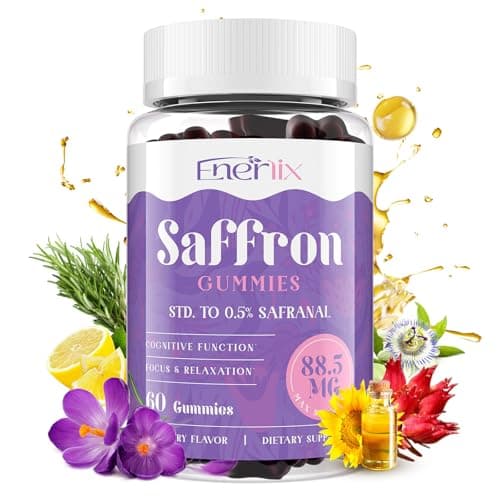
Enerlix Saffron Gummies 88.5 mg with Magnesium
Cost per serving
$0.31
60 servings · ~60-day supply

Hydrogen Water Tablets with 120MG Magnesium
Cost per serving
$0.17
60 servings · ~60-day supply
Related guides
Which supplements not to take together: an honest timing guide
A practical guide to spacing supplements for absorption and safety: calcium vs iron and zinc, iron with vitamin C, zinc and copper, fat-soluble vitamins, and medications.
The Full GLP-1 Supplement Stack: What to Take & Cost Per Day
A cost-per-dose companion supplement stack for GLP-1 users (Ozempic/Mounjaro): protein, vitamin D, magnesium, B12, omega-3 — and the full daily cost.
Testosterone Supplements: What the Evidence Actually Supports
A hedged, evidence-minded look at testosterone supplements: why most "T-booster" blends underdeliver, and the cheap deficiency-correction approach.
Can you take too much? The supplement upper limits that actually matter
Water-soluble vitamins you flush out; fat-soluble vitamins and minerals accumulate and have real ceilings. The NIH upper limits worth knowing — vitamin A, D, iron, zinc, B6, selenium — and why megadoses backfire.