NAC (N-acetylcysteine): dose, what it's actually used for, and cost
Quick answer
NAC (N-acetylcysteine) is a precursor to glutathione and a long-established mucus-thinner. Supplement doses typically run 600–1,200 mg/day. Its hospital uses (acetaminophen overdose, thinning airway mucus) are well established; the broader wellness claims are more preliminary. It's cheap to dose, so compare on cost per dose.
Alex Soto, Founder, VitaminDB
6 min readUpdated 7/31/2026 NIH-sourced
On this page
NAC — N-acetylcysteine — is one of the few supplements with a genuine footprint in hospital medicine, which is both why it's interesting and why the marketing tends to overreach. Here's the honest split between what's established and what's hopeful.
What NAC is
NAC supplies cysteine, the rate-limiting amino acid your body needs to build glutathione — often called the body's "master antioxidant." Taking NAC is a well-absorbed, inexpensive way to support glutathione production, which is why it's far more common on shelves than glutathione capsules themselves.
What the evidence actually supports
Split it into two buckets:
Well established (clinical):
- Acetaminophen (paracetamol) overdose antidote. This is NAC's flagship, life-saving hospital use — given under medical care, not something you self-treat.
- Mucolytic — thinning and loosening mucus in the airways. It has a long history in respiratory conditions.
Preliminary or mixed (the wellness claims):
- Antioxidant support, liver support, fertility, mood/psychiatric uses, and general "detox" claims are areas of ongoing research with mixed or early evidence. Some are promising; none are settled. Treat the confident marketing here with skepticism.
So the honest read: a supplement with a real, established medical core and a wide halo of preliminary claims around it.
Worth separating the supplement from the drug: NAC's one uncontested use is clinical, not nutritional — it has FDA approval for treating potentially hepatotoxic doses of paracetamol (acetaminophen), and is almost 100% effective given within 8 hours of ingestion. That is an emergency-room indication, and it is not evidence for the everyday capsule.
The dose
Supplement doses typically run 600–1,200 mg/day, often as a 600 mg capsule taken once or twice daily. Higher doses are used clinically but under supervision. More isn't automatically better for general use.
A note on availability: NAC's regulatory status as a supplement has been debated in the US, but it's widely sold. Buy from a reputable brand.
Cost and how to compare
NAC is cheap to dose, so the sensible comparison is cost per dose, not price per bottle. Check:
- mg per capsule (600 mg is the standard) and capsules per bottle — that's what sets your real cost per day.
- Whether you actually need 1,200 mg (two caps) or 600 mg (one) for your goal, since that doubles the daily cost.
We rank NAC by cost per dose on the NAC hub (methodology).
Who should be cautious
Talk to a clinician first if you take nitroglycerin (NAC can enhance its effect), have a bleeding disorder or take blood thinners, or are pregnant. NAC can also cause nausea or GI upset in some people, which taking it with food can ease.
Bottom line
NAC is a glutathione precursor with a genuine, established medical core (overdose antidote, mucolytic) and a large ring of preliminary wellness claims. Typical supplement dosing is 600–1,200 mg/day. It's inexpensive — compare on cost per dose and pick a reputable brand. This is general information, not medical advice.
Covered nutrients: NAC
See the live cost-per-dose data
This guide is editorial — the prices below are real and current.
Frequently asked questions
What is NAC used for?
NAC (N-acetylcysteine) is a precursor the body uses to make glutathione, its main antioxidant. In medicine it's well established as the antidote for acetaminophen (paracetamol) overdose and as a mucolytic to thin mucus in the airways. As a supplement it's taken for antioxidant and respiratory support; many of the broader wellness claims are still preliminary. This is general information, not medical advice.
How much NAC should I take?
Supplement doses commonly run 600–1,200 mg per day, sometimes split into two. 600 mg is the most common single-capsule size. Higher clinical doses exist but are used under medical supervision. Not medical advice.
Is NAC the same as glutathione?
Not quite — NAC is a building block. It supplies cysteine, the rate-limiting amino acid the body needs to make glutathione, and is generally better absorbed and cheaper than taking glutathione directly. That's why NAC is the more common way to support glutathione levels.
When is the best time to take NAC?
There's no strict rule. Some people take it on an empty stomach for absorption; others take it with food to reduce the chance of nausea. Consistency matters more than timing. If you take nitroglycerin or have a bleeding disorder, check with a clinician first.
Where these numbers come from
Cost figures on this page are computed from 64 active NAC listings we track, last re-priced . Cost per dose is price ÷ (servings × dose), computed per listing — not a price we are quoted. Listings under $1 or with fewer than 3 servings are excluded, because both are usually a parse error rather than a bargain.
- Amazon.com · 64
Prices move. Figures written into the text are re-checked against live data on a schedule; the ranking pages are always the current number.
Sources
Health claims on this page are drawn from these sources. Prices and cost-per-dose figures come from our own tracked listings, not from the sources below.
- 1.N-Acetylcysteine — StatPearls, NCBI Bookshelf
Deals on these nutrients
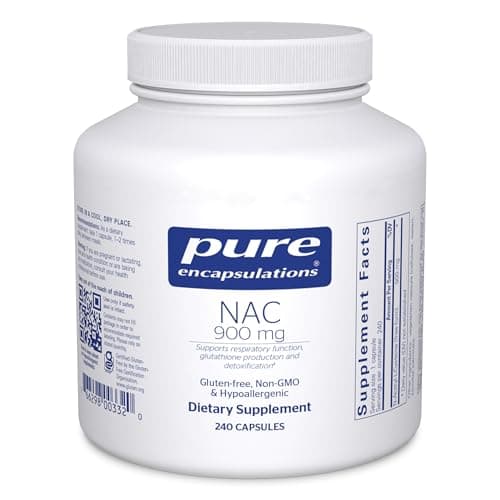
Pure Encapsulations NAC 900 mg - N-Acetyl Cysteine Amino Acid…
Cost per serving
$0.42
240 servings · ~240-day supply
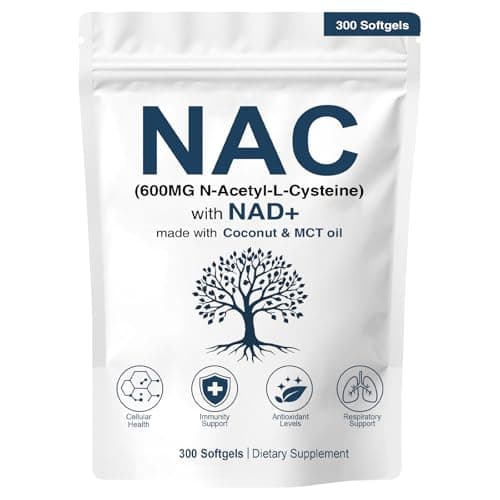
NAC 600mg Non-GMO, Gluten Free,Organic NAC Supplement N-Acetyl…
Cost per serving
$0.08
300 servings · ~300-day supply

CANLIST NAC Supplement (N-Acetyl Cysteine) 600mg…
Cost per serving
$0.07
90 servings · ~90-day supply

BulkSupplements.com NAC 1000 mg Capsules - N-Acetyle Cysteine…
Cost per serving
$0.12
180 servings · ~180-day supply
Related guides
Ubiquinol vs ubiquinone: which CoQ10 is worth it
Ubiquinol absorbs somewhat better, but it costs about 2.5x more per 100 mg than ubiquinone — a median $0.335 vs $0.133 across 55 listings we price. What that gap is worth, the dose, and the statin question.
P-5-P vs regular vitamin B6: is the active form worth it?
P-5-P costs about 2x more per 50 mg than plain pyridoxine — a median $0.146 vs $0.071 across 56 listings we price. Most healthy people convert plain B6 fine, so here is what the premium buys, and the safety ceiling that matters more than either form.
Beetroot vs citrulline: which for pumps, and which for endurance
Both raise nitric oxide, but by different routes and for different goals — beetroot has the endurance edge, citrulline is the gym-pump staple. Doses, the honest split, and cost per dose.
Beta-alanine: dose, the tingling, and what it actually does
Beta-alanine buffers muscle acid to extend high-intensity efforts in the 1–4 minute range. It works by loading over weeks, not as a pre-workout kick. Real dose, why it tingles, and cost per serving.