Zinc forms and when (not) to take it
Quick answer
Any well-absorbed zinc form (picolinate, citrate, gluconate) is fine — what matters is the elemental dose: keep it near the ~8-11 mg/day intake and at or below the 40 mg/day upper limit, because chronic high-dose zinc depletes copper. Compare by cost per elemental-zinc dose, and take it with food if sulfate upsets your stomach.
Alex Soto, Founder, VitaminDB
6 min readUpdated 5/8/2026
On this page
Zinc has a narrower therapeutic window than most supplements — under 8 mg/day risks deficiency, over 40 mg/day chronically depletes copper. That math doesn't change much across forms, but the form does affect both absorption and stomach tolerance.
The forms in US pharmacies
- Picolinate — generally the highest-absorbed form in head-to-head trials. Empty stomach OK for most people. Most expensive per mg of elemental zinc.
- Bisglycinate (chelate) — close to picolinate on absorption, often gentler on the gut. The default "premium" form in US pharmacies.
- Gluconate — adequate absorption, the form used in cold-relief lozenges. Cheap.
- Sulfate — cheapest, slightly worse absorption, harder on the stomach. Avoid taking on an empty stomach.
- Acetate — niche, used in zinc lozenges; not common in daily multis.
- Oxide — like magnesium oxide, technically zinc but absorbs poorly. Skip.
How much elemental zinc is actually in there
The numbers below are the elemental zinc fraction by weight of the whole compound. A "50 mg zinc gluconate" capsule delivers about 7 mg of elemental zinc.
- Picolinate: ~21% elemental
- Bisglycinate: ~22% elemental
- Gluconate: ~14% elemental
- Sulfate: ~23% elemental
- Acetate: ~30% elemental
Always check the supplement-facts panel for the elemental zinc number — it's the figure that matters for dosing against the RDA.
Why long-term high-dose zinc is risky
Zinc and copper compete for the same intestinal absorption pathway (DMT1 transporter). Sustained intake above ~40 mg elemental zinc per day reduces copper absorption enough to cause secondary copper deficiency, which manifests as:
- Anemia that doesn't respond to iron
- Neurological symptoms (peripheral neuropathy, balance issues)
- Suppressed immune function
Cycles of 10-15 mg/day or short bursts (30-50 mg for a few days at the start of a cold) are fine. Chronic 50 mg/day is not.
Many "high-zinc" cold-and-flu products include 1-2 mg of copper specifically to offset this — worth picking the version that does, especially if you take it for more than 2 weeks.
When to take it
- With food if you're prone to nausea, especially with sulfate.
- Empty stomach maximizes absorption (~30% gain), if your gut tolerates it.
- Apart from iron and calcium supplements — they compete for the same transporters.
Practical buying rule
For daily use: a 15 mg elemental zinc bisglycinate or picolinate softgel, taken with breakfast. Cost in the US market is typically $0.05-0.10 per dose. Skip the "mega-zinc 50 mg" bottles unless you're correcting a documented deficiency, and pair anything above 25 mg/day with 1 mg copper.
Covered nutrients: Zinc
See the live cost-per-dose data
This guide is editorial — the prices below are real and current.
Frequently asked questions
What is the best form of zinc to take?
Picolinate, citrate, gluconate and acetate are all well-absorbed chelated/soluble forms; the differences between them are smaller than the marketing suggests. Zinc sulfate is cheapest but harder on an empty stomach. What matters more than the form is the elemental zinc dose and not overdoing it — so compare by cost per elemental-zinc dose and buy a form your stomach tolerates.
How much zinc per day is safe?
The tolerable upper limit is 40 mg/day of elemental zinc for adults, and the recommended intake is about 8-11 mg/day, per the NIH Office of Dietary Supplements. Note the label often lists the compound weight — check the Supplement Facts panel for elemental zinc. Short-term higher doses (e.g. cold lozenges) are used briefly, but ongoing high doses are the problem. Not medical advice.
Does zinc deplete copper?
Yes — chronic high-dose zinc (well above the 40 mg/day upper limit) can lower copper and, over months, cause anemia or neurological problems. That is why long-term high-dose zinc is a bad idea without a reason, and why formulas built for ongoing use often pair zinc with a small amount of copper. Stay near the recommended intake unless a clinician directs otherwise.
Where these numbers come from
Cost figures on this page are computed from 128 active Zinc listings we track, last re-priced . Cost per dose is price ÷ (servings × dose), computed per listing — not a price we are quoted. Listings under $1 or with fewer than 3 servings are excluded, because both are usually a parse error rather than a bargain.
- Amazon.com · 124
- SuperSmart · 4
Prices move. Figures written into the text are re-checked against live data on a schedule; the ranking pages are always the current number.
Sources
Health claims on this page are drawn from these sources. Prices and cost-per-dose figures come from our own tracked listings, not from the sources below.
- 1.Zinc: Fact Sheet for Health Professionals — NIH Office of Dietary Supplements
Deals on these nutrients
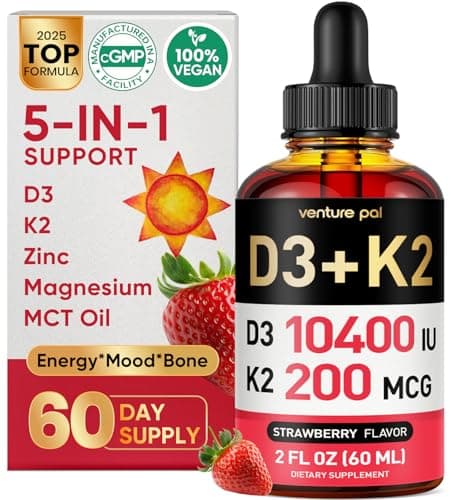
5-in-1 Vitamin D3 K2 Drops - Vitamin D3 10000 IU & K2(MK-7)…
Cost per serving
$0.28
60 servings · ~60-day supply

Solgar Zinc Picolinate 22 mg
Cost per serving
$0.08
100 servings · ~100-day supply
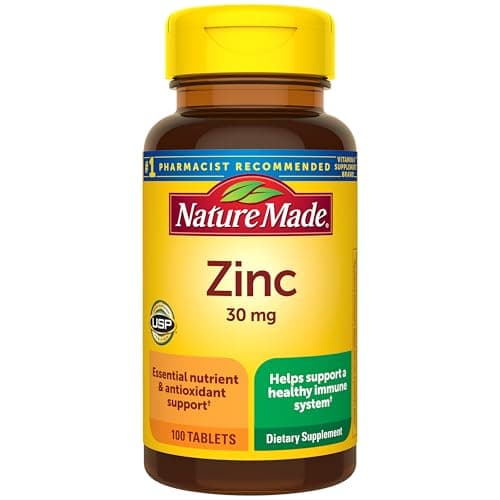
Nature Made Zinc 30 mg
Cost per serving
$0.05
100 servings · ~100-day supply
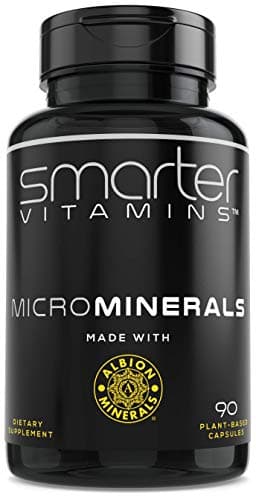
15mg Zinc Glycinate from Albion® 6 Essential Trace…
Cost per serving
$0.30
90 servings · ~90-day supply
Related guides
Which supplements not to take together: an honest timing guide
A practical guide to spacing supplements for absorption and safety: calcium vs iron and zinc, iron with vitamin C, zinc and copper, fat-soluble vitamins, and medications.
Testosterone Supplements: What the Evidence Actually Supports
A hedged, evidence-minded look at testosterone supplements: why most "T-booster" blends underdeliver, and the cheap deficiency-correction approach.
Eye health supplements: what AREDS2 actually covers, and what it costs per dose
The AREDS2 eye formula is real science — but it was studied for slowing one specific eye disease, not for keeping healthy eyes sharp or fixing screen fatigue. Here's what the trial found, the exact ingredients and doses, and how little the components actually cost per dose.
Can you take too much? The supplement upper limits that actually matter
Water-soluble vitamins you flush out; fat-soluble vitamins and minerals accumulate and have real ceilings. The NIH upper limits worth knowing — vitamin A, D, iron, zinc, B6, selenium — and why megadoses backfire.