
Micro Ingredients Extra Strength* Omega-3 Fish Oil Supplements…
Micro IngredientsAmazon.com
$0.08/serving
$23.990°
omega · 91 active deals
The best-value Omega-3 EPA/DHA right now is about $0.06 per dose — across the 59 we can price per dose the median is $0.266/dose, so shopping on cost-per-dose can cut your cost several-fold. Every Omega-3 EPA/DHA deal here is ranked by cost per dose — what you actually pay per serving, not the sticker price — because forms and absorption differ, so the cheapest bottle isn’t always the cheapest dose.
Prices checked · live from the Amazon US catalog.
Right now the best value across our full Omega-3 EPA/DHA catalog is at $0.06 per serving.
Omega-3 fatty acids are polyunsaturated fatty acids—the most-researched being ALA, EPA, and DHA—that play important roles in the body as components of the phospholipids forming cell membranes, with DHA especially concentrated in the retina, brain, and sperm; they also provide energy and are used to form eicosanoids, signaling molecules with wide-ranging functions in the cardiovascular, pulmonary, immune, and endocrine systems. ALA is an essential fatty acid that must be obtained from the diet, and because the body's conversion of ALA to EPA and DHA is very limited, consuming EPA and DHA directly from foods or supplements is the only practical way to raise their levels. The NIH ODS notes that evidence linking higher long-chain omega-3 levels to a reduced risk of several chronic diseases, including coronary heart disease, suggests many Americans could benefit from slightly higher intakes, while classical essential fatty acid deficiency in healthy U.S. individuals is virtually nonexistent. — per the NIH Office of Dietary Supplements; not medical advice.
Long-chain omega-3s are sold in supplement formulations including fish oil, krill oil, cod liver oil, and vegetarian algal oil, and may contain omega-3s in several chemical forms: natural triglycerides, free fatty acids, ethyl esters, re-esterified triglycerides, and phospholipids. According to the NIH ODS, omega-3s as re-esterified triglycerides, natural triglycerides, and free fatty acids have somewhat higher bioavailability than ethyl esters, though consumption of all forms significantly increases plasma EPA and DHA levels. Krill oil provides omega-3s primarily as phospholipids, which some studies suggest have somewhat higher bioavailability than those in fish oil while other studies do not, and the bioavailability of DHA from algal oil was found in a small study to be equivalent to that from cooked salmon.
Plant oils that contain ALA include flaxseed (linseed), soybean, and canola oils, and chia seeds and walnuts also contain ALA. Cold-water fatty fish, such as salmon, mackerel, tuna, herring, and sardines, contain high amounts of long-chain omega-3s (EPA and DHA), whereas lower-fat fish such as bass, tilapia, and cod, as well as shellfish, contain lower levels — per the NIH Office of Dietary Supplements.
A deficiency of essential fatty acids — either omega-3s or omega-6s — can cause rough, scaly skin and dermatitis, and plasma and tissue concentrations of DHA decrease when an omega-3 deficiency is present. However, classical essential fatty acid deficiency in healthy individuals in the United States is virtually nonexistent; clinical signs are usually only found in patients receiving parenteral nutrition that lacks polyunsaturated fatty acids — per the NIH Office of Dietary Supplements.
Take omega-3 (fish oil) with a meal that contains fat — this improves absorption and cuts down on fishy burps. Splitting the dose across two meals helps too, and keeping the capsules in the freezer reduces reflux for many people.
At high doses omega-3 has a mild blood-thinning effect, so talk to your clinician if you take an anticoagulant or are due for surgery.
Fishy aftertaste, burps, or mild stomach upset are the usual complaints — all reduced by taking it with food.
General guidance on timing and absorption, not medical advice. Check with a clinician about your medications and conditions.
Micro Ingredients Extra Strength* Omega-3 Fish Oil Supplements…

Lutein and Zeaxanthin Supplement - AREDS 2 Plus+ Eye Vitamins


Glucosamine Chondroitin MSM Collagen Joint Supplements…

InnovixLabs Triple Strength Omega 3 Fish Oil 900 mg EPA DHA…


Prenatal Vitamins for Women with Folic Acid + Omega 3 DHA…

Lutein and Zeaxanthin Supplement - AREDS 2 Plus+ Eye Vitamins…


Nature Made Mens Multivitamin Gummies with Omega-3, 150 Count


NatureWise Extra-Strength Omega 3 Fish Oil Supplement - 1000mg…

Prenatal Vitamins for Women with Folic Acid + Omega 3 DHA…


Prenatal Vitamins for Women with Folic Acid + Omega 3 DHA…

Puritan's Pride Triple Strength Omega-3 Fish Oil 1400mg


Micro Ingredients L-Tyrosine 500 mg Per Serving with Omega-3…



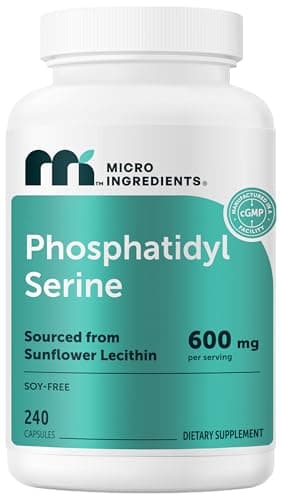
Micro Ingredients Phosphatidylserine 600 mg Per Serving

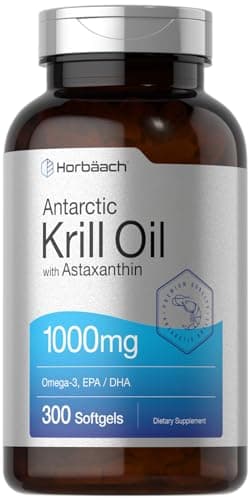
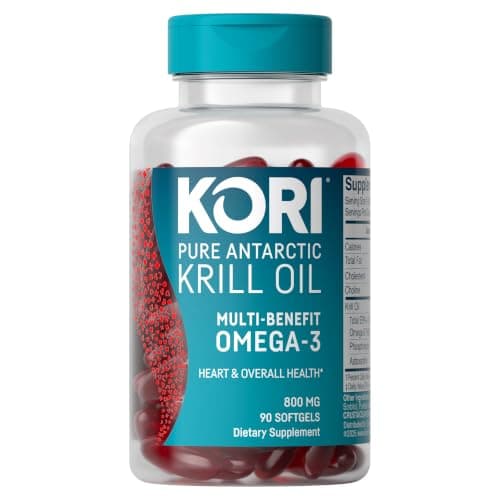
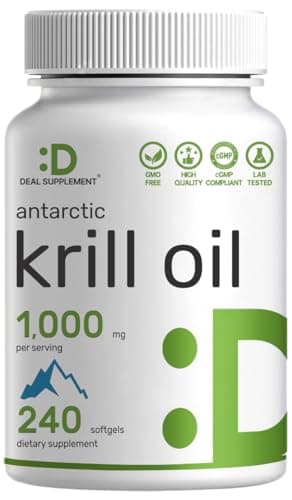
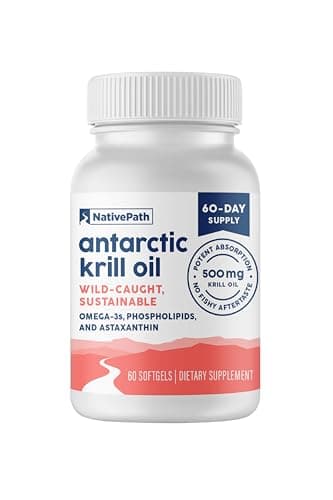
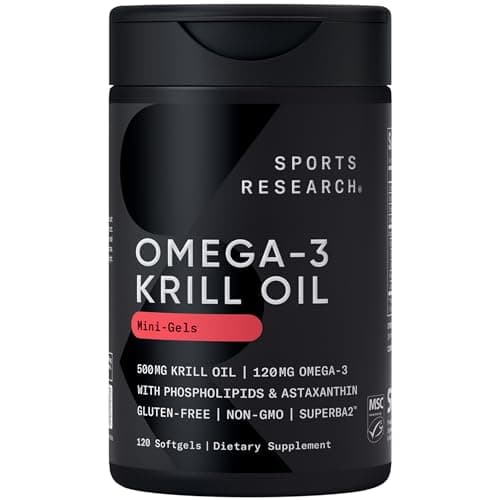
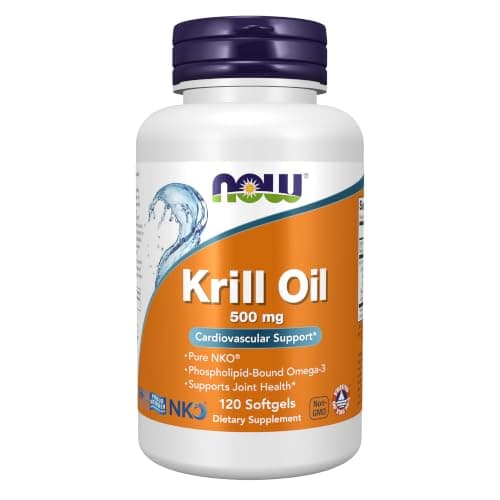
NOW Supplements, Krill Oil 500 mg, Phospholipid-Bound Omega-3…
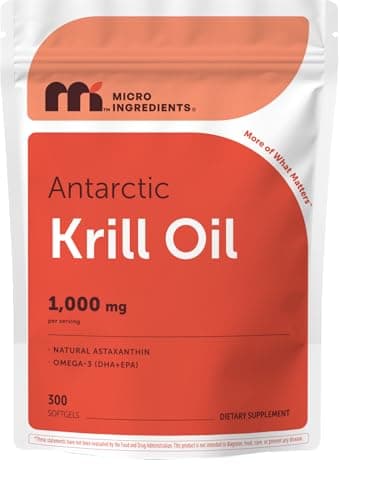
Micro Ingredients Antarctic Krill Oil 1,000 mg Per Serving
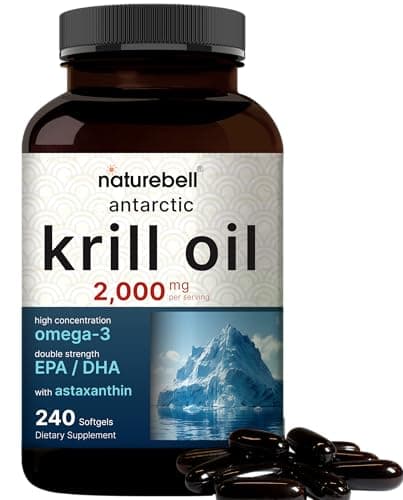
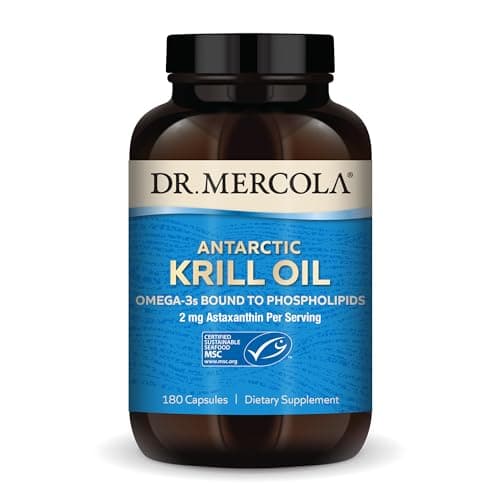

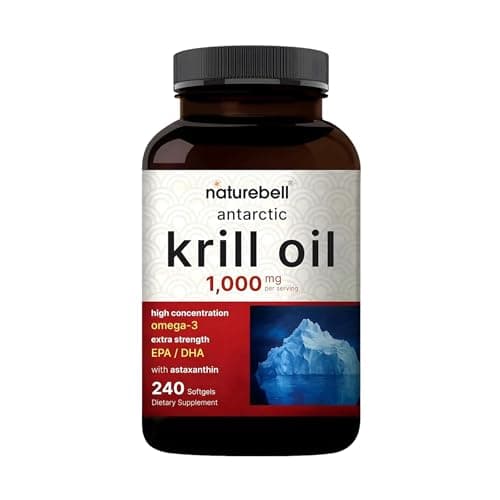
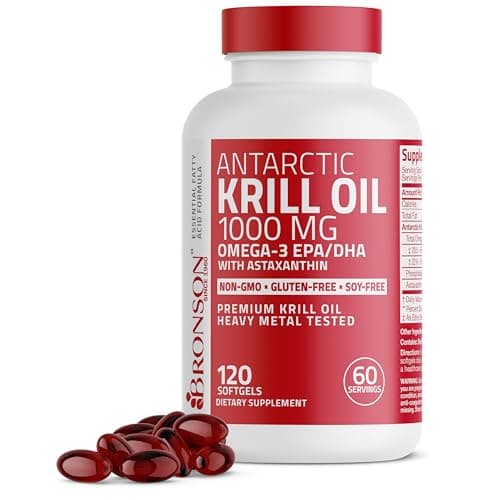
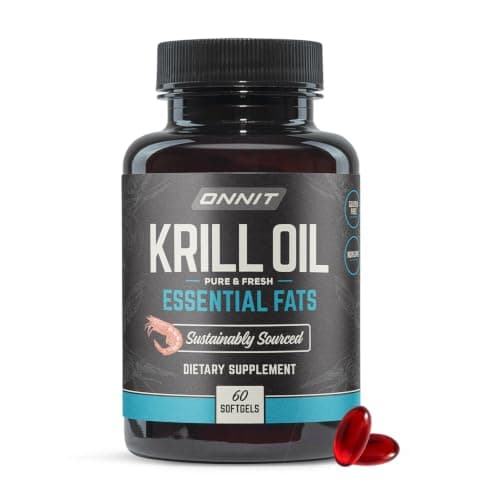
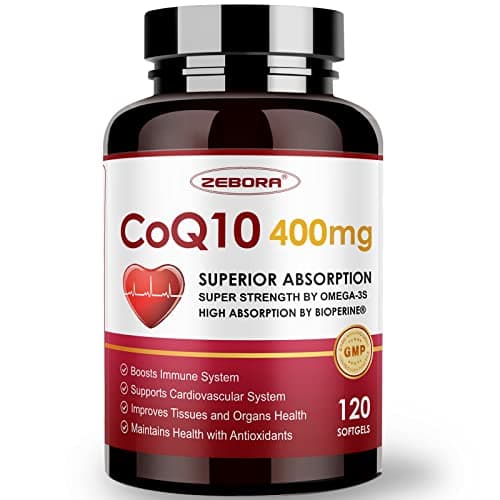
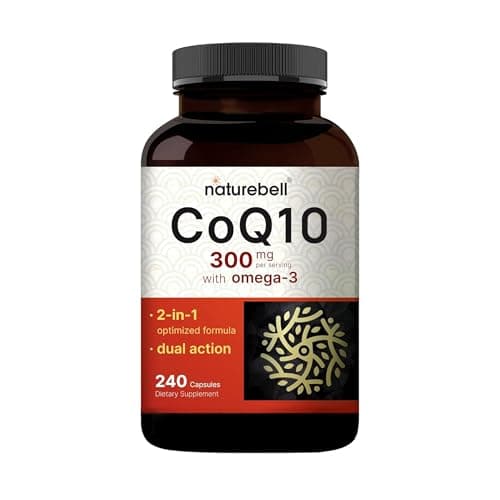
NatureBell CoQ10 300mg - 240 Capsules - High-Potency Support…
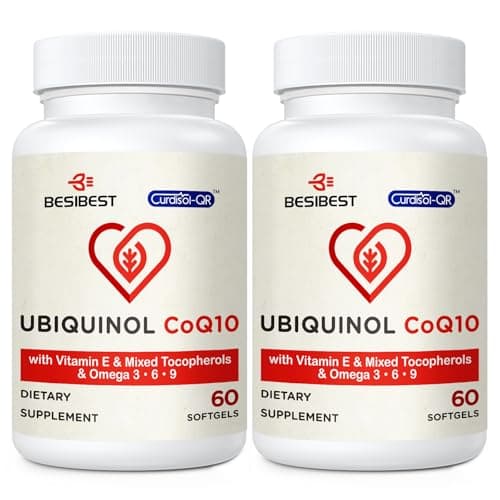
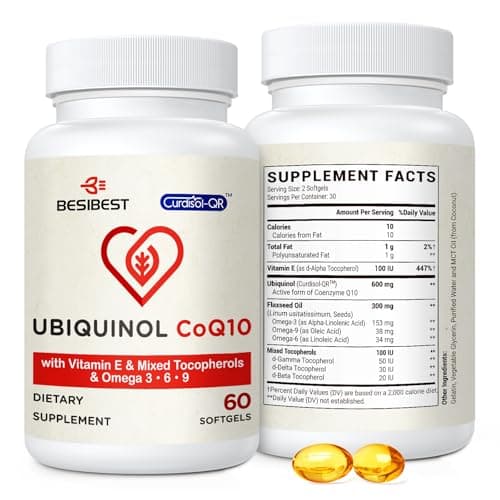

Super Omega 3 1500mg - SuperSmart | EPA & DHA Fish Oil…

Arctic Plankton Oil 1000mg - SuperSmart | Patented…
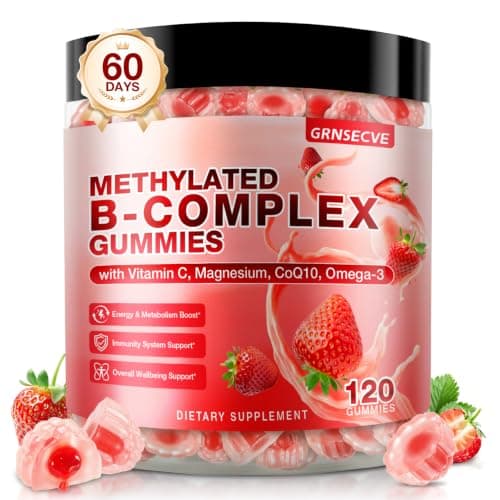
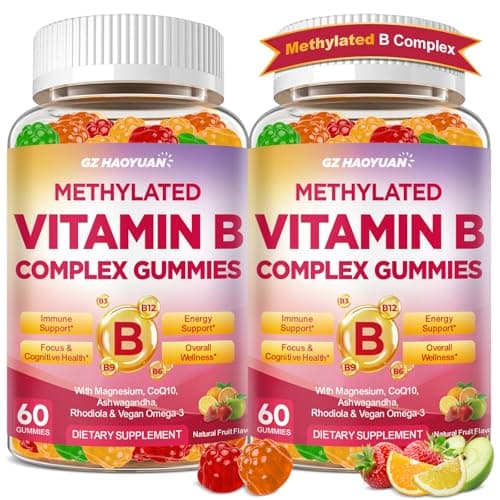
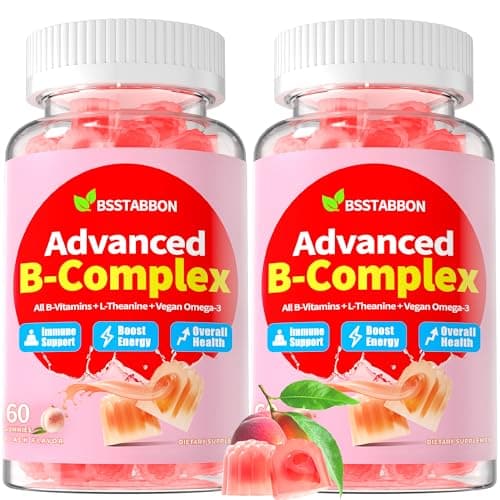
Methylated Vitamin B Complex Gummies: 22-in-1 for Daily Energy…
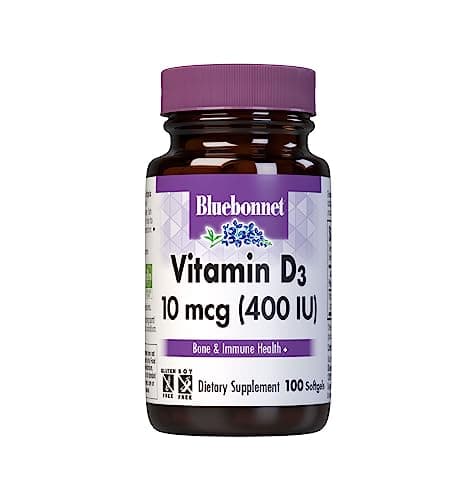

Vitamin D3 K2 + Calcium Liquid-filled Gummies for Kids & Teens

ORGANICS NATURE Black Seed Oil Capsules 1000mg – 60 Cold…

ENERGYBITS Organic Spirulina Tablets (1000 Algae Tablets)…

SUPREME HERBALS, 100% Raw and Pure Moringa Leaf Powder…


Nordic Naturals Ultimate Omega + CoQ10, Lemon - 120 Soft Gels…

De3 Occasional Eye Dryness rTG Omega 3 Supplement…

Garden of Life Dr. Formulated Advanced Omega Fish Oil - Lemon


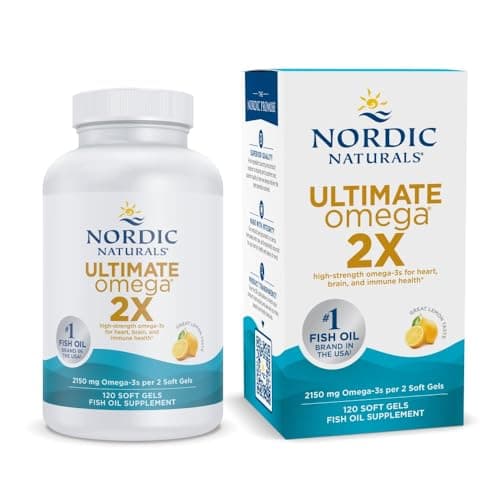


Omega 3 Fish Oil Supplement - 2000 mg Per Serving Containing…

Every Omega-3 EPA/DHA deal above is ranked by real cost per dose with no paid placement — see our and .
4 of 40 tracked Omega-3 EPA/DHA brands here are flagged as carrying independent third-party testing — a voluntary check of a product's identity, potency and contaminants by an outside lab. It's a quality signal, not a value or efficacy claim. Confirm any brand's current status on the official registries:
Testing status is self-reported by the brand or drawn from public certification and may change — always verify on the official registry before purchase.
There is no ; the IOM set Adequate Intakes (AIs) for ALA based on omega-3 intakes in healthy populations. For adults 19-50, that is 1.6 g/day for men and 1.1 g/day for women. Pregnancy is 1.4 g/day and lactation 1.3 g/day. The IOM did not establish specific intake recommendations for or DHA. — per the NIH Office of Dietary Supplements; general information, not medical advice.
The IOM set no (UL). High doses (900 mg/day EPA plus 600 mg/day DHA or more for several weeks) might reduce immune function; 2-15 g/day EPA and/or DHA might increase bleeding time. Both the FDA and EFSA consider up to about 5 g/day safe; in two trials, 4 g/day for several years slightly raised atrial fibrillation risk in people with or at high risk of CVD. Mild side effects include bad breath, heartburn, nausea, and diarrhea. — per the NIH Office of Dietary Supplements; general information, not medical advice.
A deficiency of essential fatty acids, either omega-3s or omega-6s, can cause rough, scaly skin and dermatitis. Plasma and tissue concentrations of DHA decrease when an omega-3 deficiency is present, but there are no known cut-off concentrations of DHA or below which functional endpoints are impaired. — per the NIH Office of Dietary Supplements; general information, not medical advice.
Classical essential fatty acid deficiency in healthy individuals in the United States is virtually nonexistent. Clinical signs of deficiency are usually found only in patients receiving parenteral nutrition that lacks PUFAs, though all current enteral and parenteral feeding solutions contain adequate PUFAs. Evidence suggests many Americans could benefit from slightly higher intakes. — per the NIH Office of Dietary Supplements; general information, not medical advice.
We link primary sources and paraphrase their findings — never copy their text, tables, or images. Cost-per-dose figures are our own first-party catalog data.
The fact sheet notes that when the IOM last reviewed omega-3s it established Adequate Intakes rather than a Tolerable Upper Intake Level (UL), so no UL is stated. The FDA specifies that the labels of dietary supplements should not recommend a daily intake of EPA and DHA higher than 2 g — per the NIH Office of Dietary Supplements.
Yes. Omega-3 supplements such as fish oil can interact with warfarin (Coumadin) and similar anticoagulants, with fish oil having antiplatelet effects at high doses and potentially prolonging clotting times. Most research indicates 3-6 g/day fish oil does not significantly affect the anticoagulant status of patients taking warfarin, but INR should be monitored periodically. — per the NIH Office of Dietary Supplements; general information, not medical advice.
The cheapest omega-3 /dha we track works out to $0.06 , against a typical $0.27 across the 59 we can price per dose — about $1.76 a month at the cheapest. That is real from live Amazon US prices, not the sticker price. The full ranking is on the Best Omega-3 EPA/DHA page.
Nature's Bounty Fish Oil Omega 3 Supplements - Supports Heart Health at $0.06 — the lowest cost-per-dose omega-3 /dha in our catalog. See the full ranking on the Best Omega-3 EPA/DHA page.
We're tracking 91 active Omega-3 /DHA deals across Amazon US and partner retailers, ranked by community votes and cost-per-dose — not paid placement.
Across the 59 Omega-3 /DHA deals we can price per dose (combination products are left out — their single label dose belongs to whichever ingredient the product is built around) the median cost-per-dose is $0.266; the cheapest quartile comes in under $0.142 . Anything below the median is a solid deal for the same molecule.
Deals are submitted by the community and ranked by net votes (hot minus cold) plus cost-per-dose normalised across container sizes. We take no affiliate kickbacks for ordering; sponsored slots, when present, are clearly badged.
Aim for about 1–3 g/day of combined — read the label and add the two, since a '1,000 mg fish oil' may hold only ~300 mg. Higher doses lower triglycerides but should be supervised. Take with a fatty meal.
The fact sheet notes that when the IOM last reviewed omega-3s it established Adequate Intakes rather than a (UL), so no UL is stated. The FDA specifies that the labels of dietary supplements should not recommend a daily intake of higher than 2 g — per the NIH Office of Dietary Supplements.
A deficiency of essential fatty acids — either omega-3s or omega-6s — can cause rough, scaly skin and dermatitis, and plasma and tissue concentrations of decrease when an omega-3 deficiency is present. However, classical essential fatty acid deficiency in healthy individuals in the United States is virtually nonexistent; clinical signs are usually only found in patients receiving parenteral nutrition that lacks polyunsaturated fatty acids — per the NIH Office of Dietary Supplements.
Plant oils that contain ALA include flaxseed (linseed), soybean, and canola oils, and chia seeds and walnuts also contain ALA. Cold-water fatty fish, such as salmon, mackerel, tuna, herring, and sardines, contain high amounts of long-chain omega-3s (), whereas lower-fat fish such as bass, tilapia, and cod, as well as shellfish, contain lower levels — per the NIH Office of Dietary Supplements.
Dosage, upper-limit, deficiency, food-source and interaction facts are sourced from the NIH Office of Dietary Supplements Omega-3 EPA/DHA fact sheet. General information, not medical advice.