Which supplements not to take together: an honest timing guide
Quick answer
Separate calcium from iron and zinc, take iron with vitamin C but away from calcium and coffee, keep zinc and copper balanced, take fat-soluble vitamins with a meal, and space minerals a few hours from thyroid meds and some antibiotics.
Alex Soto, Founder, VitaminDB
6 min readUpdated 8/1/2026 NIH-sourced
On this page
The short version: separate calcium from iron and zinc, take iron with vitamin C but away from calcium and coffee, keep zinc and copper balanced, take the fat-soluble vitamins (A, D, E, K) with a fatty meal, and space minerals a few hours from thyroid medication and some antibiotics. Most "do not take together" advice comes down to two things: minerals competing for the same absorption pathways, and minerals binding to certain drugs. Spacing doses apart solves almost all of it. This is general information, not medical advice, and your pharmacist is the right person to check your specific medications.
What to actually separate
A few mineral pairs genuinely compete, and these are the ones worth spacing:
- Calcium and iron compete for absorption.
- Calcium and zinc compete, especially at higher calcium doses.
- Zinc and copper compete over the long term.
The fix is not to avoid any of them, just to take the competing ones at different times of day, usually a few hours apart.
Calcium vs iron and zinc
Calcium is the biggest single absorption disruptor among common minerals. At supplement doses it reduces how much iron and zinc you take up when swallowed together.
- Take your calcium at a separate meal from iron or zinc.
- A common split is calcium with one meal, iron or zinc with another.
- This matters most if you take a substantial calcium dose; a small amount in a multivitamin is less of an issue.
Iron: what helps and what hurts
The NIH fact sheet states the rule and the reason: experts recommend taking calcium and iron supplements at different times to avoid potential interference with iron absorption, and unusually among inhibitors, calcium might reduce the bioavailability of both nonheme and heme iron. Proton pump inhibitors can reduce it as well.
Iron is fussy about company, which is why it gets its own section:
- Vitamin C improves iron absorption, so taking iron with a source of vitamin C (or a supplement) is a genuine, well-established help, especially for plant-based (non-heme) iron.
- Calcium, coffee, tea, and dairy reduce iron absorption. The tannins in coffee and tea and the calcium in dairy are the culprits.
- Practical move: take iron away from your coffee, tea, and calcium, paired with vitamin C. Not medical advice.
Zinc and copper: keep the balance
Zinc and copper share an absorption pathway, and this one is about the long game:
- High-dose zinc taken for a long time can deplete copper, potentially causing a deficiency.
- If you supplement zinc regularly at higher doses, a modest amount of copper is often included to keep the balance.
- Short courses of zinc are not the concern; sustained high intake is. Not medical advice.
Fat-soluble vitamins with a meal
The vitamins A, D, E, and K are fat-soluble, so they absorb best alongside dietary fat:
- Take them with a meal that contains some fat, not on an empty stomach.
- The same logic applies to fat-soluble supplements like CoQ10 and astaxanthin.
- Water-soluble vitamins (B and C) are more forgiving about timing.
Magnesium and calcium
Good news here: magnesium and calcium are generally fine to take together, and many products combine them. The only caveat is that very high doses can compete, so if you take large separate doses of each, spacing them slightly is reasonable. For normal doses, they coexist well, and magnesium at night is a common routine.
Supplements and your medications
This is the safety half of timing, and it is where a pharmacist earns their keep:
- Calcium and magnesium can reduce the absorption of some medications, including certain thyroid medications (like levothyroxine) and some antibiotics (such as tetracyclines and fluoroquinolones).
- The standard fix is to space the mineral several hours from the medication so they are not in the gut at the same time.
- Iron can also interfere with some of the same drugs.
Do not stop or reschedule a prescription on your own. Ask your pharmacist how to space your specific supplements and medications; they will know the exact intervals. Not medical advice.
A simple daily split
You do not need a spreadsheet. A workable pattern:
- Morning: iron with vitamin C (away from coffee), plus any B vitamins.
- With a fatty meal: vitamins A, D, E, K, and other fat-soluble supplements.
- Evening: calcium and magnesium together, away from the morning iron.
- Always: keep minerals several hours from thyroid meds and antibiotics.
This is a utility guide, not a shopping one, but the same habit of reading the label carefully is what makes cost comparisons honest too. See how we calculate cost per dose on /methodology, and compare current prices per dose for the minerals here on /nutrients/iron and /nutrients/calcium.
Space the competing minerals, pair iron with vitamin C, take fat-soluble vitamins with food, and check your medications with a pharmacist. This is general information, not medical advice.
Covered nutrients: Calcium, Iron, Zinc, Magnesium
See the live cost-per-dose data
This guide is editorial — the prices below are real and current.
Frequently asked questions
What supplements should not be taken together?
The clearest pairs to separate are calcium with iron and calcium with zinc, since calcium competes with both for absorption. High long-term zinc can also deplete copper, so keep those balanced. Spacing them a few hours apart handles it. Not medical advice.
What helps iron absorb better?
Vitamin C improves iron absorption, so pairing them helps, while calcium, coffee, tea, and dairy reduce it. Take iron away from those, ideally on a lighter stomach if you tolerate it. Not medical advice.
Should I take vitamins with food?
The fat-soluble vitamins A, D, E, and K absorb best with a meal that contains some fat. Many minerals are also gentler on the stomach with food, though iron is an exception that some people absorb better away from meals. Not medical advice.
Can supplements affect my medications?
Yes. Minerals like calcium and magnesium can reduce the absorption of some medications, including certain thyroid drugs and antibiotics, so they should be spaced several hours apart. Always check your specific medications with a pharmacist. Not medical advice.
Where these numbers come from
Cost figures on this page are computed from 443 active Calcium / Iron / Zinc / Magnesium listings we track, last re-priced . Cost per dose is price ÷ (servings × dose), computed per listing — not a price we are quoted. Listings under $1 or with fewer than 3 servings are excluded, because both are usually a parse error rather than a bargain.
- Amazon.com · 435
- SuperSmart · 8
Prices move. Figures written into the text are re-checked against live data on a schedule; the ranking pages are always the current number.
Sources
Health claims on this page are drawn from these sources. Prices and cost-per-dose figures come from our own tracked listings, not from the sources below.
- 1.Calcium: Fact Sheet for Health Professionals — NIH Office of Dietary Supplements
- 2.Iron: Fact Sheet for Health Professionals — NIH Office of Dietary Supplements
- 3.Zinc: Fact Sheet for Health Professionals — NIH Office of Dietary Supplements
- 4.Magnesium: Fact Sheet for Health Professionals — NIH Office of Dietary Supplements
Deals on these nutrients

Totaria Magnesium Complex 700mg 12 in 1 Magnesium Supplement…
Cost per serving
$0.18
120 servings · ~120-day supply
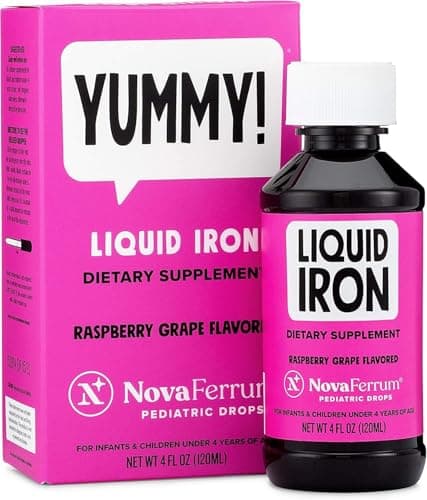
NovaFerrum Yummy | Pediatric Drops Liquid Iron Supplement…
Cost per serving
$0.87
30 servings · ~30-day supply
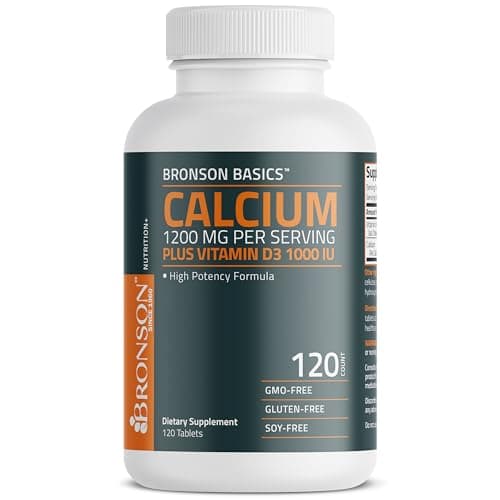
Bronson Calcium 1200mg Per Serving Plus Vitamin D3 1000 IU…
Cost per serving
$0.08
120 servings · ~120-day supply

Magnesium Citrate Capsules 1000mg | High Absorption Supplement…
Cost per serving
$0.15
120 servings · ~120-day supply
Related guides
Can you take too much? The supplement upper limits that actually matter
Water-soluble vitamins you flush out; fat-soluble vitamins and minerals accumulate and have real ceilings. The NIH upper limits worth knowing — vitamin A, D, iron, zinc, B6, selenium — and why megadoses backfire.
Is the 'premium' supplement form worth the money?
Chelated magnesium, bisglycinate iron, ubiquinol CoQ10, picolinate zinc — the upgraded forms often cost several times more per dose for a real-but-modest benefit that matters for some people and is pure marketing for others. When to pay up and when to skip it.
Best time to take your supplements: a per-nutrient cheat sheet
Fat-soluble vitamins with a meal, magnesium in the evening, iron on an empty stomach with vitamin C, and the pairs you should NOT take together. A practical, evidence-based timing guide.
Testosterone Supplements: What the Evidence Actually Supports
A hedged, evidence-minded look at testosterone supplements: why most "T-booster" blends underdeliver, and the cheap deficiency-correction approach.