
🦴
Calcium
mineral · 135 active deals
How much does Calcium cost?
The best-value Calcium right now is about $0.03 per dose — across the 85 we can price per dose the median is $0.123/dose, so shopping on cost-per-dose can cut your cost several-fold. Every Calcium deal here is ranked by cost per dose — what you actually pay per serving, not the sticker price — because forms and absorption differ, so the cheapest bottle isn’t always the cheapest dose.
Prices checked · live from the Amazon US catalog.
Right now the best value across our full Calcium catalog is at $0.03 per serving.
Median $0.123/servingCheapest quartile under $0.075across 85 tracked Calcium deals
Recommended daily intake
Daily Value 1,300 mgUpper limit 2,500 mg
Best absorbed in doses ≤500 mg at a time; pair with vitamin D/K2. General FDA/NIH adult guidance — not medical advice.
What Calcium does
Calcium is the most abundant mineral in the body and makes up much of the structure of bones and teeth, keeping tissue rigid, strong, and flexible. According to the NIH, the small ionized pool of calcium also mediates blood vessel contraction and dilation, muscle function, blood clotting, nerve transmission, and hormonal secretion. About 98% of the body's calcium is stored in the bones, which the body uses as a reservoir to maintain calcium homeostasis; the NIH notes that for adults the intake recommendations are based on the amount needed to promote bone maintenance and neutral calcium balance, and that vitamin D is required for calcium to be absorbed in the gut by active transport. — per the NIH Office of Dietary Supplements; not medical advice.
Forms & absorption
The NIH states the two most common forms of calcium in supplements are calcium carbonate and calcium citrate, with other forms including calcium sulfate, ascorbate, microcrystalline hydroxyapatite, gluconate, lactate, and phosphate. These forms contain varying amounts of elemental calcium (for example, calcium carbonate is 40% calcium by weight while calcium citrate is 21%). The NIH notes that in people with low stomach acid, calcium carbonate's solubility is lower, which could reduce absorption unless it is taken with a meal, whereas calcium citrate is less dependent on stomach acid and can be taken without food; in general, absorption of calcium supplements is greater when they are taken with food and is highest at doses of 500 mg or less.
Elemental calcium by form — read the label
A supplement's front-label figure is usually the compound weight, not elemental calcium. By weight, calcium carbonate is about 40% elemental while gluconate is only about 9% — so a “1,000 mg gluconate” capsule delivers roughly 90 mg of elemental calcium. Always compare the “Calcium” line in the Supplement Facts panel, not the number on the front of the bottle.
| calcium form | ~% elemental | elemental mg per 1,000 mg |
|---|---|---|
| calcium carbonate |
When and how to take Calcium
The body absorbs calcium best in doses of 500 mg or less, so if you take more, split it across the day. Calcium carbonate needs food (stomach acid) to absorb; calcium citrate can be taken any time, with or without food.
Can you take Calcium with other supplements?
Calcium competes with iron, zinc, and magnesium, and it interferes with thyroid medication and some antibiotics — space those a couple of hours apart. Vitamin D helps calcium absorb.
Calcium side effects
Can cause constipation or bloating. Getting calcium from food when possible, and not exceeding the recommended amount, keeps intake safe.
General guidance on timing and absorption, not medical advice. Check with a clinician about your medications and conditions.


Nature's Truth Calcium 600mg with Vitamin D3 | 250 Caplets
Nature's TruthAmazon.com
$0.05/serving
$12.270°


Liposomal Strontium Citrate 680mg Supplement – High Absorption…
CalyverithionAmazon.com
$0.25/serving
$44.990°

Amazing Formulas Calcium Citrate Supplement | 1000 Mg…
Amazing NutritionAmazon.com
$0.08/serving
$9.990°

Nature's Bounty Calcium Plus 400 IU Vitamin D3, 300 Tablets
Nature's BountyAmazon.com
$0.06/serving
$17.400°

Humming Herbs Calcium Alpha-Ketoglutarate Supplement(CAAKG)…
Humming HerbsAmazon.com
$0.21/serving
$18.900°

Liposomal Strontium Citrate 680mg Supplement – High Absorption…
CalyverithionAmazon.com
$0.35/serving
$20.990°


Earth's Splendor Calcium 600mg with Vitamin D Bone Support…
Earth's SplendorAmazon.com
$0.07/serving
$8.990°


Nature's Bounty Calcium 1200mg with Vitamin D3, 220 Softgels
Nature's BountyAmazon.com
$0.07/serving
$14.890°

PureFormulas Calcium Citrate 250 mg | Boosts Bone & Dental…
PureFormulasAmazon.com
$0.09/serving
$21.990°

Rugby 600mg Calcium Tablets - Made with 10mcg (400 IU)…
RUGBY LABORATORIESAmazon.com
$0.10/serving
$6.150°


Rugby 600mg Calcium Tablets - Made with 10mcg (400IU)…
RUGBY LABORATORIESAmazon.com
$0.05/serving
$9.350°

5 Hydroxytryptophan 200mg Capsules - 5 HTP Supplement…
Nature's NutritionAmazon.com
$0.15/serving
$8.820°

5 Hydroxytryptophan 200mg Capsules - 5 HTP Supplement…
Nature's NutritionAmazon.com
$0.13/serving
$15.820°


HealthSpan Plus Labs Ca AKG (Calcium Alpha-Ketoglutarate)…
HealthSpan Plus LabsAmazon.com
$0.38/serving
$22.900°


Nutricost Calcium Citrate (1,000mg) 180 Tablets, Gluten-Free
NutricostAmazon.com
$0.09/serving
$16.950°


Bariatric Calcium Citrate with Vitamin D3 | 600mg | Higher…
Bariatric BestAmazon.com
$0.16/serving
$19.790°


21st Century Calcium Citrate Plus D3 Maximum - 630 mg Calcium
21st CenturyAmazon.com
$0.05/serving
$20.990°


Liposomal Strontium Citrate 680mg Supplement – High Absorption…
CalyverithionAmazon.com
$0.27/serving
$32.990°

BulkSupplements.com HMB Capsules - as Calcium HMB Supplement
BulkSupplements.comAmazon.com
$0.40/serving
$23.960°

HMB 1,000mg | 240 Softgels with Coconut Oil | Highly…
Micro IngredientsAmazon.com
$0.06/serving
$13.990°

BulkSupplements.com HMB Capsules - as Calcium HMB Supplement
BulkSupplements.comAmazon.com
$0.15/serving
$21.960°

Nature Made Calcium 600 mg with Vitamin D3 for Bone Support
Nature MadeAmazon.com
$0.14/serving
$8.590°

Rugby 600mg Calcium Tablets - Made with 10mcg (400IU)…
RUGBY LABORATORIESAmazon.com
$0.05/serving
$17.900°


LongJuvity Calcium Alpha-Ketoglutarate Time Release AKG…
LongJuvity LabsAmazon.com
$0.43/serving
$25.950°


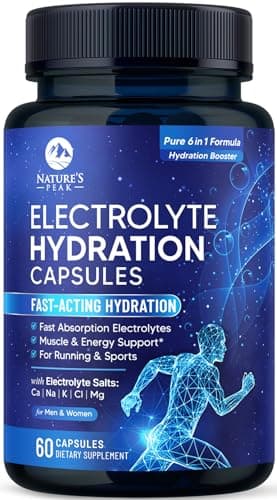
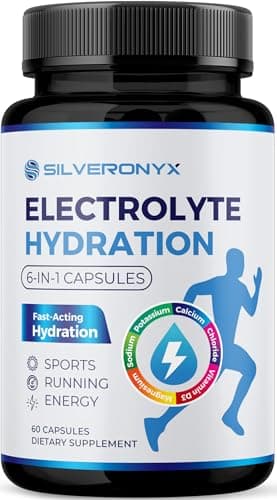
Electrolytes Supplement - 6-in-1 Advanced Hydration Complex…
Nature's PeakAmazon.com
$0.11/serving
$6.820°
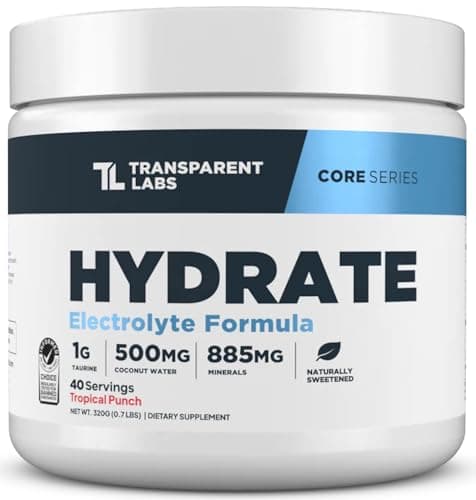
Transparent Labs Hydrate Naturally Sweetened Electrolytes…
Transparent LabsAmazon.com
$0.75/serving
$29.990°
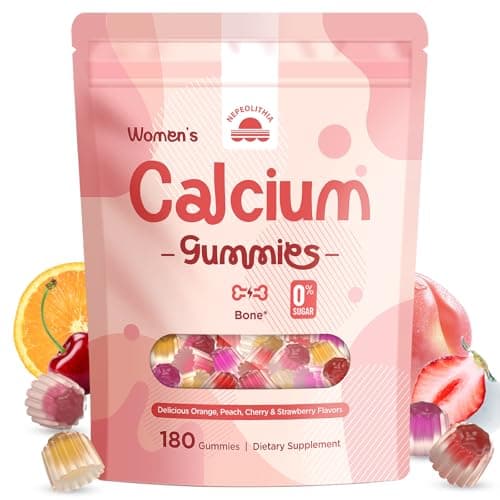
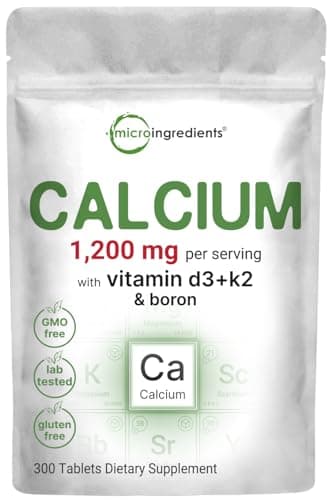
Calcium 1,200mg with Vitamin D3 & K2, 300 Tablets | Calcium…
Micro IngredientsAmazon.com
$0.07/serving
$19.990°
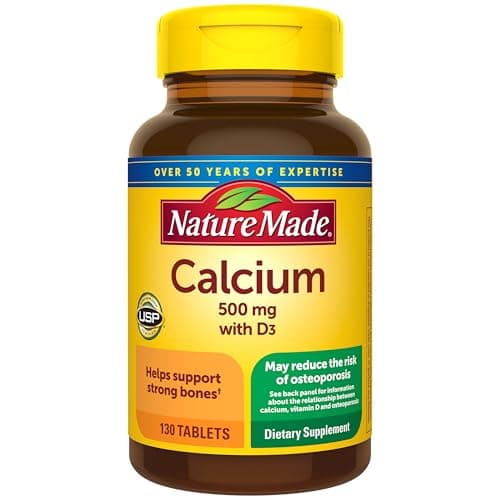
Nature Made Calcium 500 mg with Vitamin D3 for Bone Support
Nature MadeAmazon.com
$0.08/serving
$10.790°
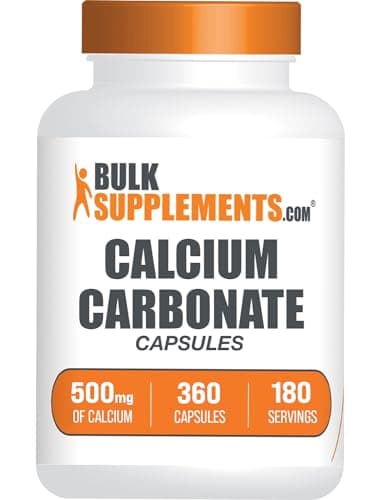
BulkSupplements.com Calcium Carbonate Capsules - Calcium…
BulkSupplements.comAmazon.com
$0.12/serving
$21.960°

Calcium D-Glucarate 1500mg - SuperSmart | High Strength…
SuperSmart USA LLCSuperSmart
$0.41/serving
$37.000°
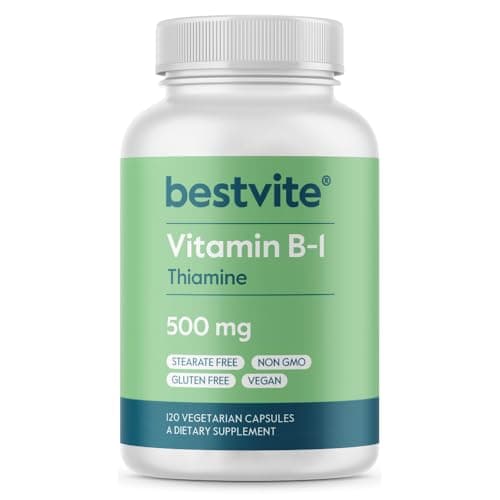
BESTVITE Vitamin B-1 (Thiamin) 500mg (120 Vegetarian Capsules)…
BestViteAmazon.com
$0.16/serving
$18.990°
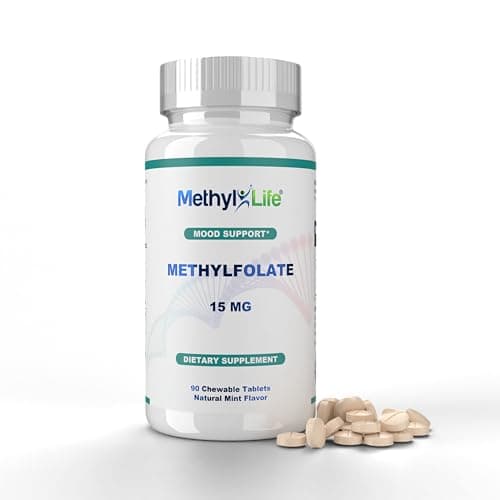
Methyl-Life® L-Methylfolate 15 mg for Women & Men – Active…
Methyl-LifeAmazon.com
$0.98/serving
$88.000°
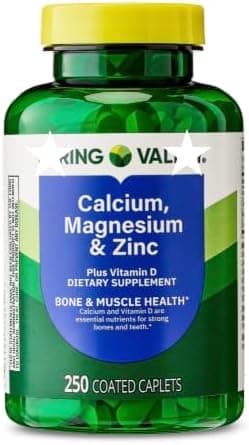
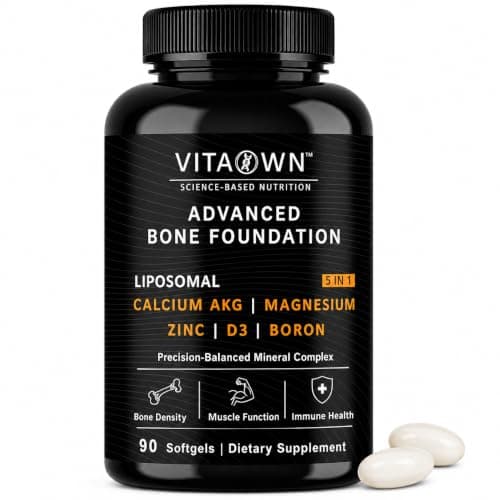
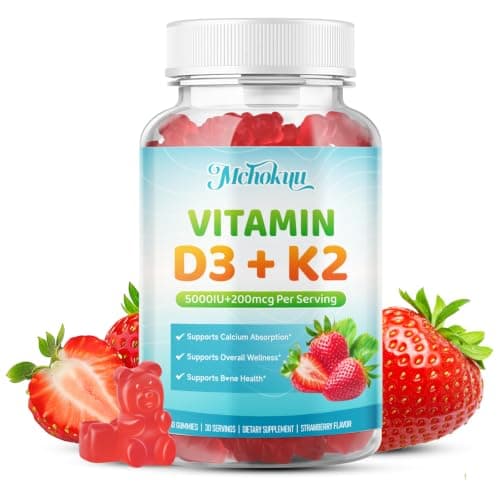
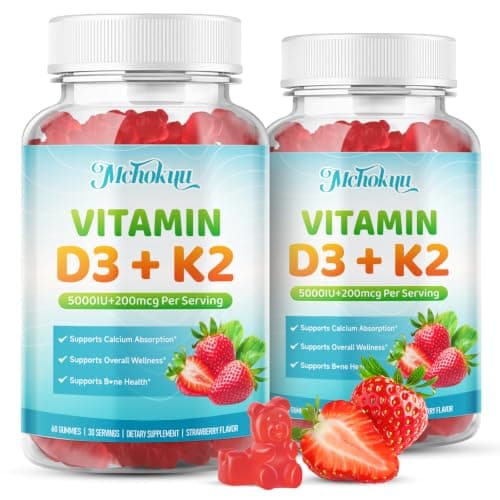
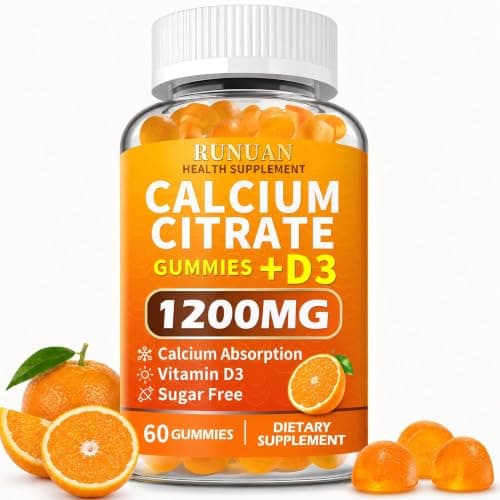
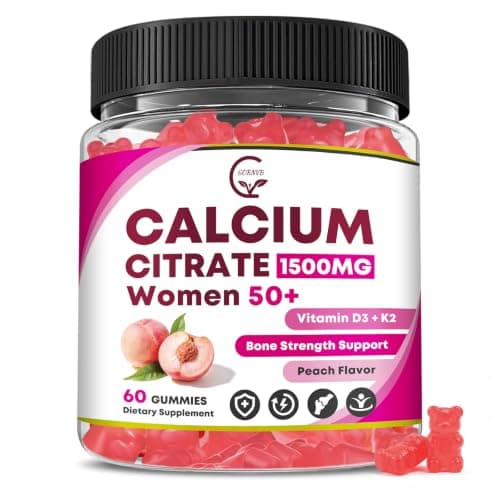
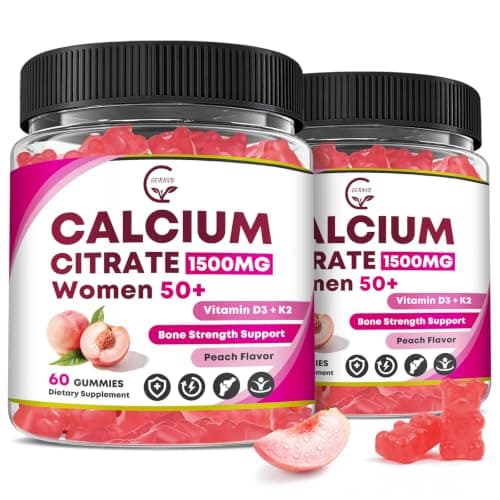
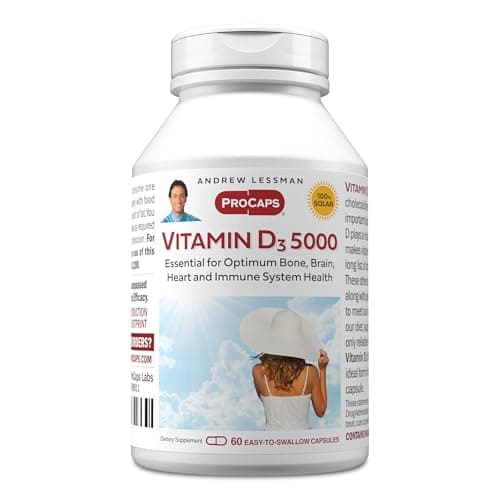
ANDREW LESSMAN Vitamin D3 5000 IU 60 Capsules - High Potency
Andrew LessmanAmazon.com
$0.23/serving
$13.900°
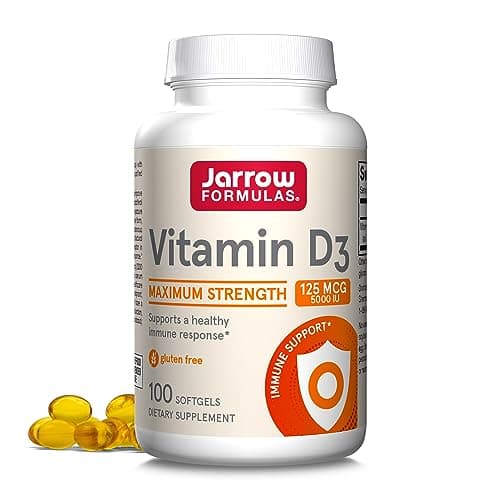
Jarrow Formulas Vitamin D3 125 mcg (5000 IU) - 100 Servings…
Jarrow FormulasAmazon.com
$0.13/serving
$12.590°
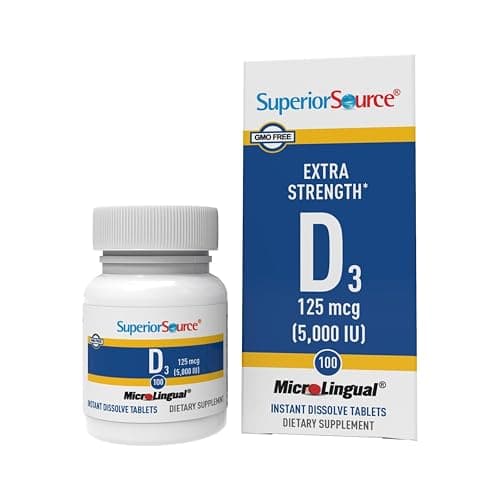
Superior Source Vitamin D3 5000 IU - Offers Immune System
Superior SourceAmazon.com
$0.12/serving
$12.490°


Jarrow Formulas Vitamin D3 62.5 mcg (2,500 IU) - 100 Servings…
Jarrow FormulasAmazon.com
$0.13/serving
$12.830°

ANDREW LESSMAN Vitamin D3 3000 IU 180 Capsules - High Potency
Andrew LessmanAmazon.com
$0.16/serving
$28.900°

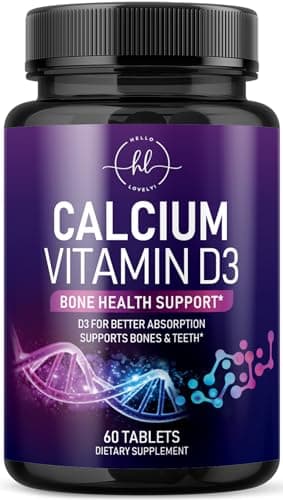
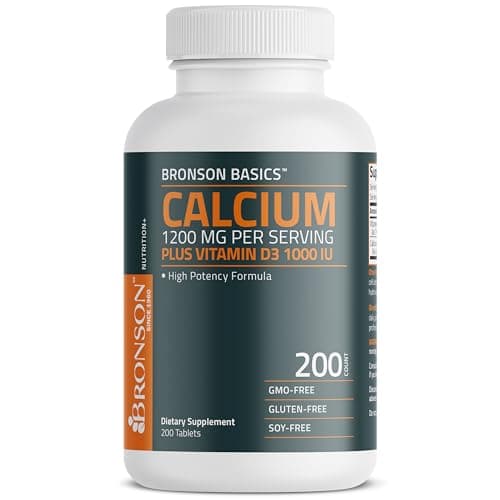
Calcium 1200 mg per Serving with Vitamin D3 - Bone Health…
Hello Lovely!Amazon.com
$0.10/serving
$5.820°
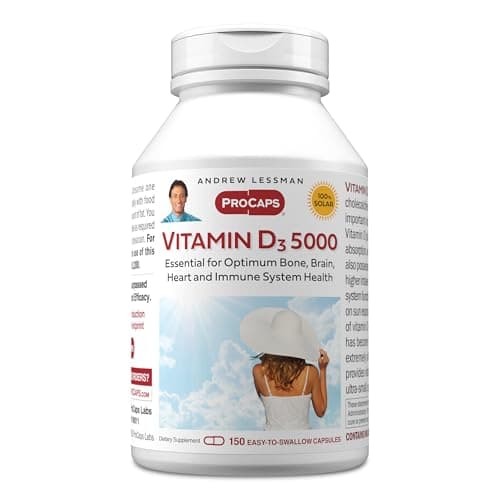
Andrew Lessman Vitamin D3 5000 IU 150 Capsules - High Potency
Andrew LessmanAmazon.com
$0.07/serving
$11.100°
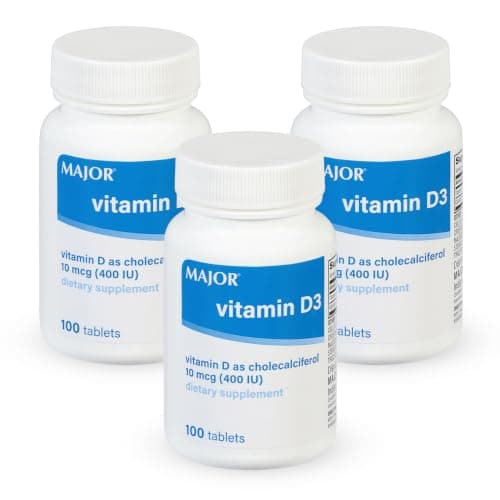

Vitamin D3 K2 + Calcium Liquid-filled Gummies for Kids & Teens
LILICAREAmazon.com
$0.44/serving
$26.490°
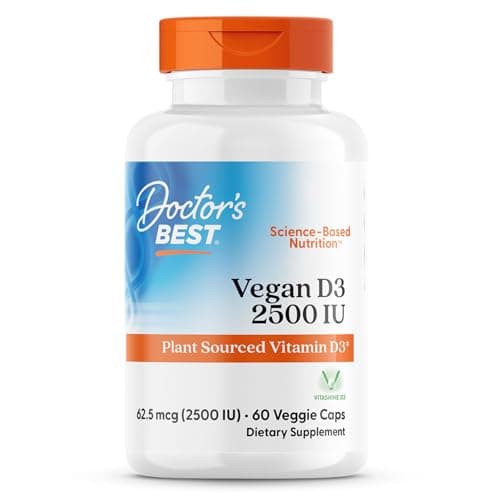
Doctors Best Vegan Vitamin D3 2500 IU Veg Caps - Vegan Vitamin…
Doctor's BestAmazon.com
$0.22/serving
$12.990°
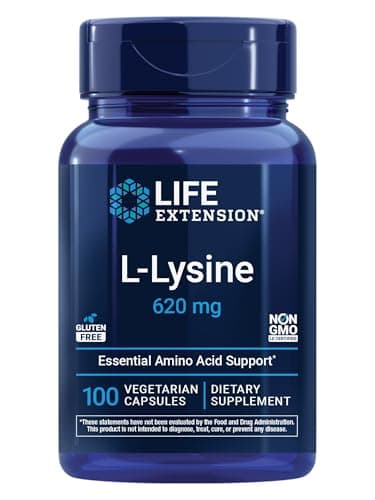


NatureWise Vitamin D3 1000IU + K2 (MK7) 100mcg with Organic…
NatureWiseAmazon.com
$0.37/serving
$10.990°
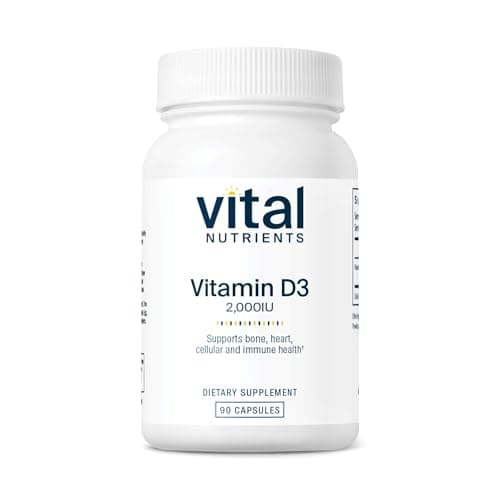
Vital Nutrients Vitamin D 2000 IU - Vitamin D3 Supplement…
Vital NutrientsAmazon.com
$0.24/serving
$21.990°


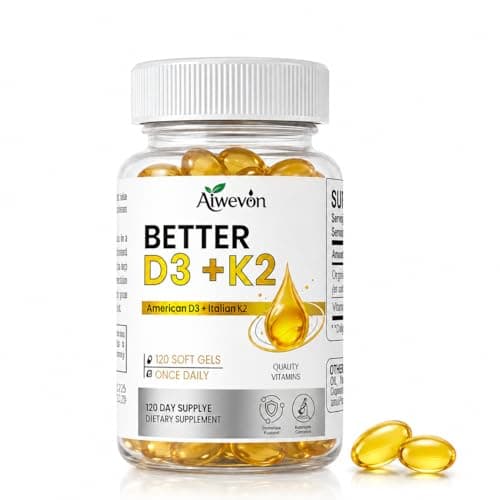
ForestLeaf Vitamin D3 + K2 (MK7) Supplement - MenaQ7 - Calcium…
ForestLeafAmazon.com
$0.30/serving
$17.950°

Doctor's Best Natural Vitamin K2 MK7 Supplement for Men…
Doctor's BestAmazon.com
$0.23/serving
$13.990°

Iron Supplement - Iron 65mg High Absorption Iron Bisglycinate…
BonuanciAmazon.com
$0.23/serving
$13.590°

240 Count - Coral Calcium 1500mg Capsules - Bone Health…
Barefoot Coral Calcium CompleteAmazon.com
$0.17/serving
$39.990°

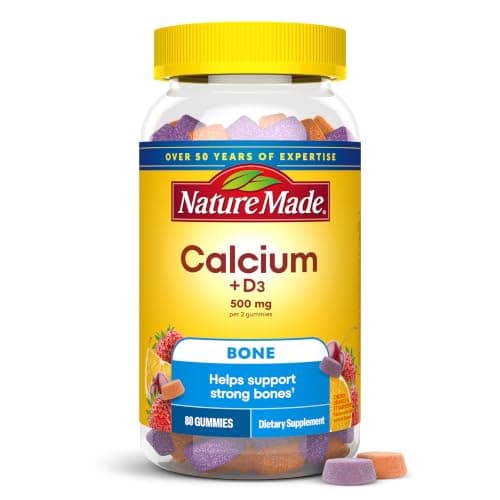
Nature Made Calcium Gummies 500 mg Per Serving with Vitamin…
Nature MadeAmazon.com
$0.12/serving
$9.990°
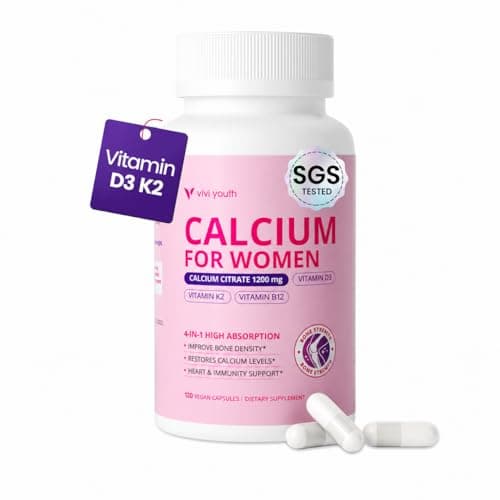
Calcium Supplements for Women - 4-In-1 Calcium Citrate 1200 mg…
VIVI YouthAmazon.com
$0.13/serving
$15.990°


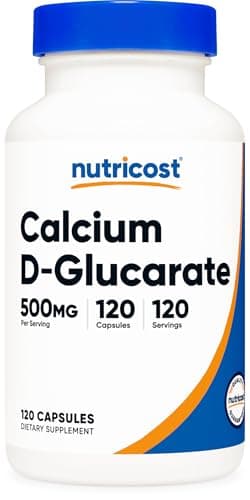

Nature's Wonder Calcium 600 mg with Vitamin D3 20 mcg for Bone…
Nature's WonderAmazon.com
$0.05/serving
$9.990°
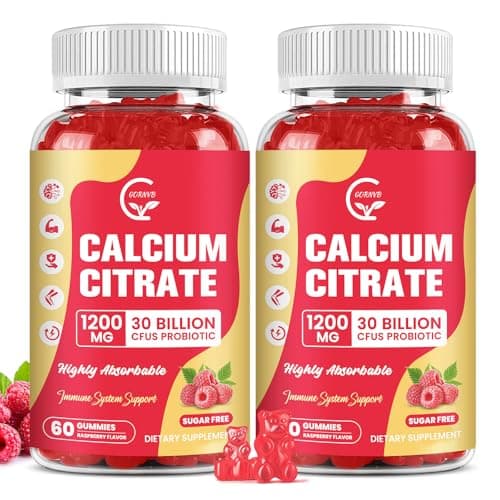
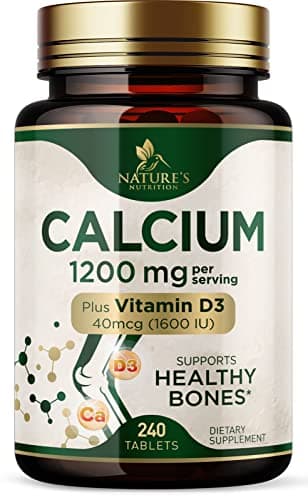
Calcium 1200 mg with Vitamin D3 - Per Serving - Bone Health…
Nature's NutritionAmazon.com
$0.06/serving
$14.820°


Every Calcium deal above is ranked by real cost per dose with no paid placement — see our and .
Independent testing
3 of 77 tracked Calcium brands here are flagged as carrying independent third-party testing — a voluntary check of a product's identity, potency and contaminants by an outside lab. It's a quality signal, not a value or efficacy claim. Confirm any brand's current status on the official registries:
Testing status is self-reported by the brand or drawn from public certification and may change — always verify on the official registry before purchase.
Calcium — dosage, safety & deals FAQ
- How much Calcium do you need per day?
Recommended Dietary Allowances are 1,000 mg/day for adults age 19 to 50, and for men age 51 to 70. Women over 50 and everyone over 70 need 1,200 mg. Teens age 14 to 18 (including pregnant and lactating) need 1,300 mg. Younger children range from 700 to 1,300 mg by age. — per the NIH Office of Dietary Supplements; general information, not medical advice.
- Can you take too much Calcium?
Yes. The is 2,500 mg/day for adults age 19 to 50 and 2,000 mg/day for those over 50. Higher supplemental calcium might raise the risk of kidney stones, and possibly cardiovascular disease and prostate cancer. Hypercalcemia can cause constipation, nausea, weight loss, fatigue, polyuria, and heart arrhythmias. — per the NIH Office of Dietary Supplements; general information, not medical advice.
- What are the signs of Calcium deficiency?
Calcium deficiency can reduce bone strength and lead to osteoporosis, causing fragile bones and increased risk of falling. It can also cause rickets in children and osteomalacia (defective bone mineralization and softening) in adults and children. Hypocalcemia signs include perioral numbness, tingling in hands and feet, and muscle spasms. — per the NIH Office of Dietary Supplements; general information, not medical advice.
- Who is most likely to need more Calcium?
Groups most likely to have inadequate calcium include postmenopausal women, whose rises to 1,200 mg to lessen bone loss, and individuals who avoid dairy products, including people with lactose intolerance, those with milk allergy, and vegans, since dairy is a rich calcium source. — per the NIH Office of Dietary Supplements; general information, not medical advice.
Calcium guides
Related minerals
References & sources
- Calcium: Fact Sheet for Health Professionals — NIH Office of Dietary Supplements
- USP Verified product participants — U.S. Pharmacopeia
- NSF certified products — NSF
We link primary sources and paraphrase their findings — never copy their text, tables, or images. Cost-per-dose figures are our own first-party catalog data.