
Isopure Plant-Based Protein Powder – 20g Organic Pea and Rice…
IsopureAmazon.com
$1.46/serving
$29.250°
other · 76 active deals
The best-value Protein Powder right now is about $0.03 per dose — across the 67 we can price per dose the median is $1.862/dose, so shopping on cost-per-dose can cut your cost several-fold. Every Protein Powder deal here is ranked by cost per dose — what you actually pay per serving, not the sticker price — because forms and absorption differ, so the cheapest bottle isn’t always the cheapest dose.
Prices checked · live from the Amazon US catalog.
Right now the best value across our full Protein Powder catalog is at $0.03 per gram.
There is no standalone NIH ODS fact sheet for protein; ODS covers it within its health-professional fact sheet "Dietary Supplements for Exercise and Athletic Performance," which lists protein among the most common sports-nutrition ingredients. ODS states that protein "builds, maintains, and repairs muscle" and that, based on numerous clinical trials, it "optimizes muscle training response during exercise and subsequent recovery period." ODS notes that athletes must obtain the nine essential amino acids (EAAs) from the diet or from supplementation to support muscle growth, maintenance, and repair. ODS frames a nutritionally adequate diet as critical and states that supplements might enhance performance only when they add to — not substitute for — that dietary foundation, with athletes able to obtain additional protein from more protein-containing foods and, if needed, protein supplements. ODS does not present protein as a cure, treatment, or preventive for any disease. — per NIH Office of Dietary Supplements; not medical advice.
Per NIH ODS, protein powders and drinks are available, most of which contain whey, one of the complete proteins isolated from milk (complete proteins are those that contain all EAAs). ODS states that digestion of casein, the main complete protein in milk, is slower than that of whey, so the release of amino acids from casein into the blood is slower; it also notes that soy protein lacks the EAA methionine (and may lose some cysteine and lysine in processing) and rice protein lacks the EAA isoleucine, so many protein supplements combine sources and users should select singular or complementary proteins that together provide all EAAs. On branched-chain amino acids, ODS states that protein powders made from complete proteins — "especially whey, which has more leucine than either casein or soy" — automatically increase consumption of BCAAs.
Per NIH ODS, many foods contain protein, including meats, poultry, seafood, eggs, dairy products, beans, and nuts. ODS notes that complete proteins (containing all EAAs) come mainly from animal products such as meat, poultry, fish, eggs, and milk, whereas some plant proteins are incomplete (for example, soy lacks methionine and rice lacks isoleucine), so a combination of plant-based foods with complementary proteins that together provide all EAAs can supply them. ODS does not give per-food protein gram amounts in this fact sheet.
Per NIH ODS, the Food and Nutrition Board has not set a Tolerable Upper Intake Level for protein, noting that the risk of adverse effects from excess protein from food is very low; ODS advises caution for those obtaining high protein intakes from foods and supplements because of limited data on potential adverse effects. ODS reports no safety concerns at daily recommended intakes for athletes of up to about 2.0 g/kg body weight (about 136 g for a 150-lb person) and lists no known adverse effects for protein at these intakes. ODS frames athlete protein needs at about 0.55 to 0.9 g/lb body weight (1.2 to 2.0 g/kg) per day, generally obtainable from food. ODS adds that high-protein diets providing two to three times the RDA (0.8 g/kg/day for adults) do not appear to increase the risk of renal stones, dehydration, or compromised renal function.
Isopure Plant-Based Protein Powder – 20g Organic Pea and Rice…

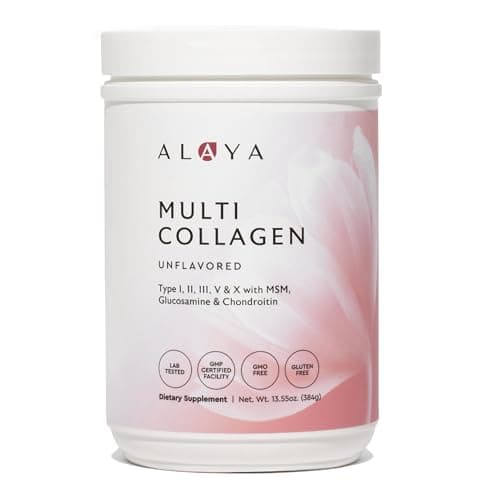
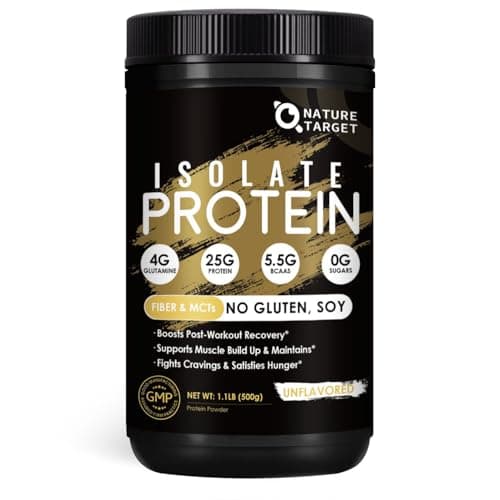
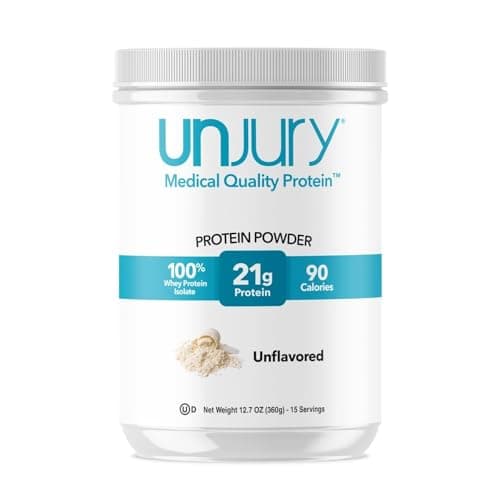
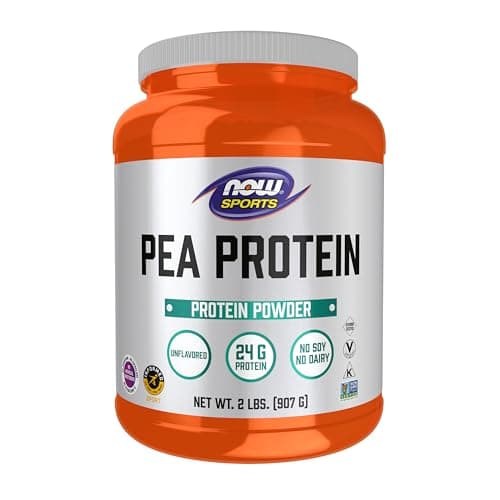


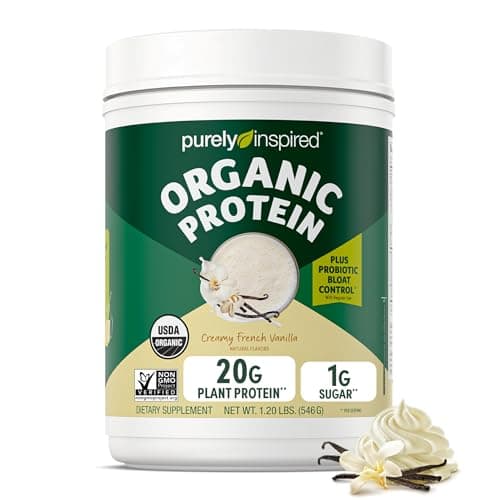
Purely Inspired Plant-Based Protein Powder for Men & Women
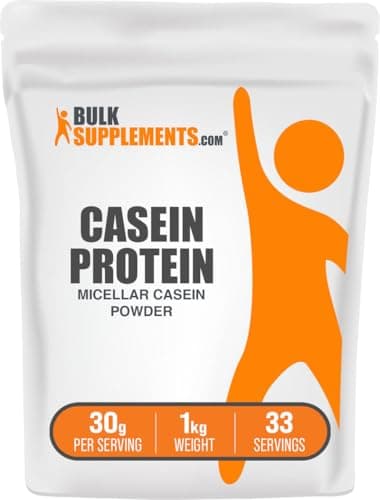
BulkSupplements.com Casein Protein Powder - Micellar Casein…
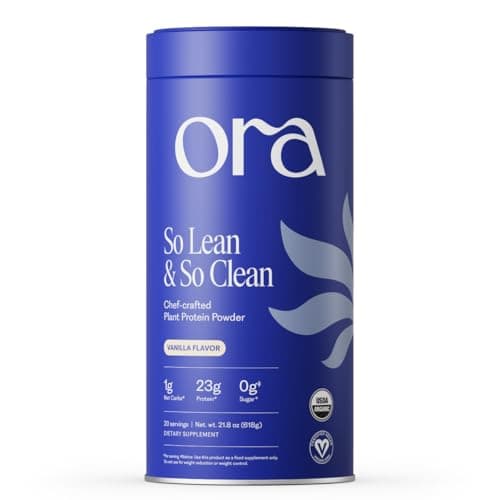
Ora Organic Plant-Based Protein Powder - 23g Protein for Women…
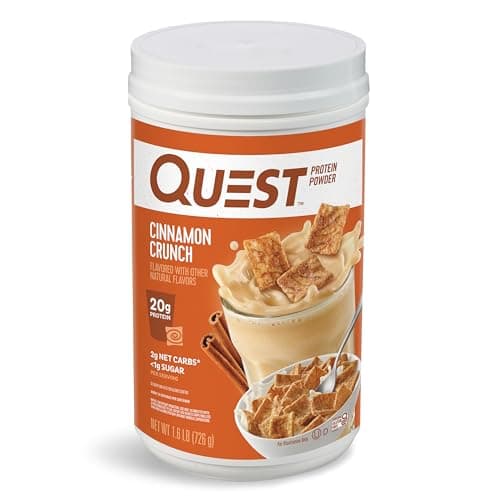
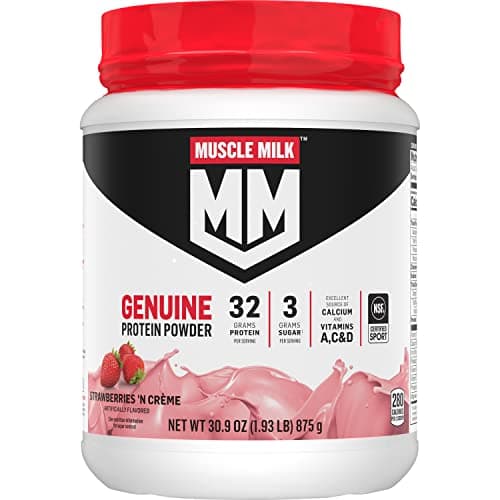
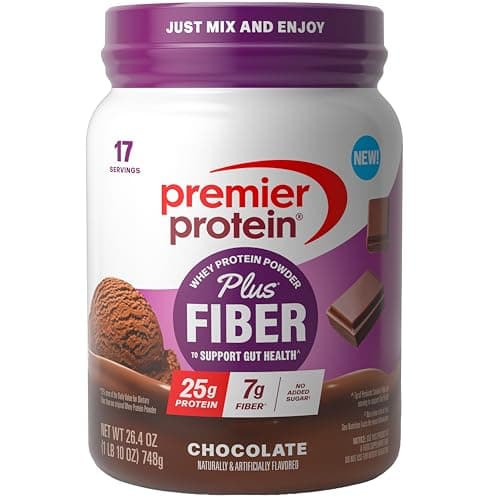
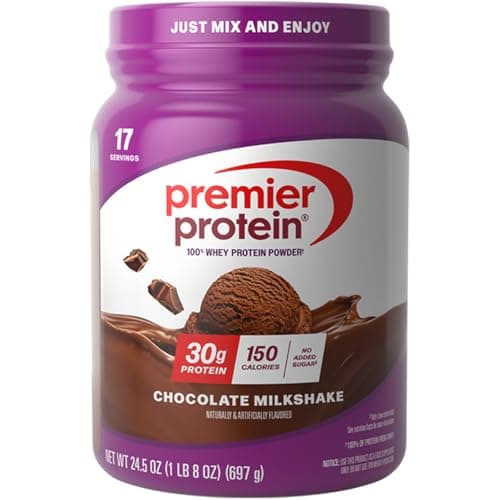
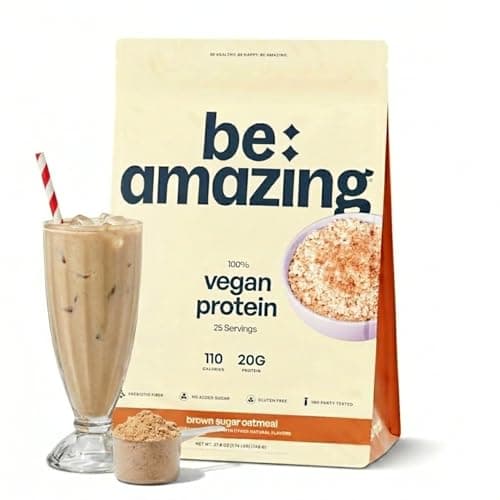
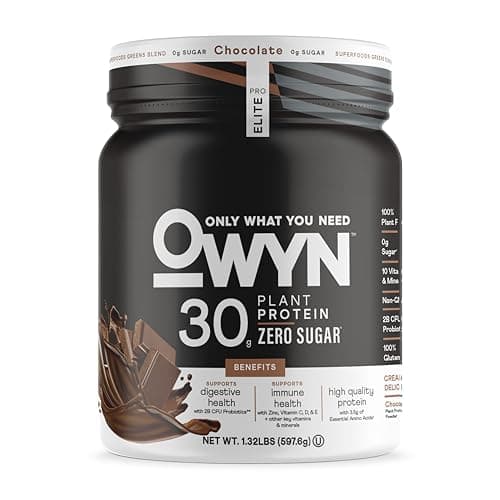
Owyn Only What You Need Pro Elite High Protein Powder

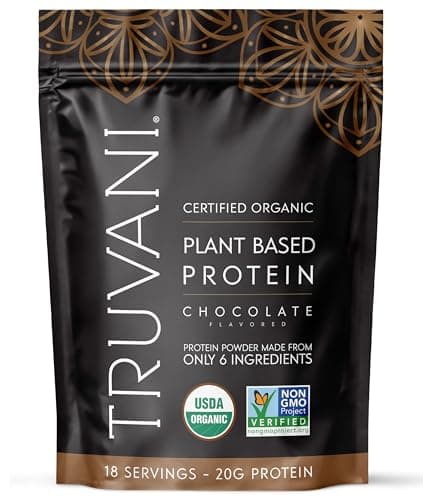
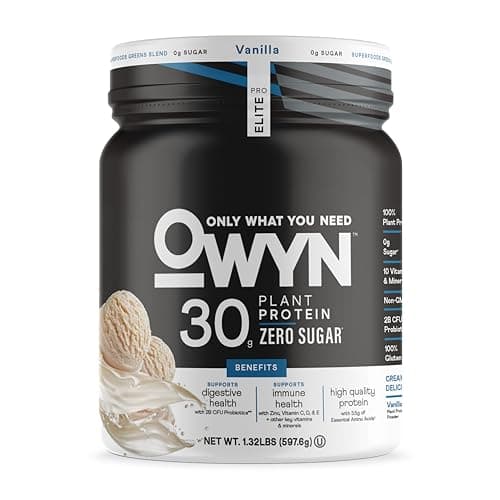
Owyn Only What You Need Pro Elite High Protein Powder

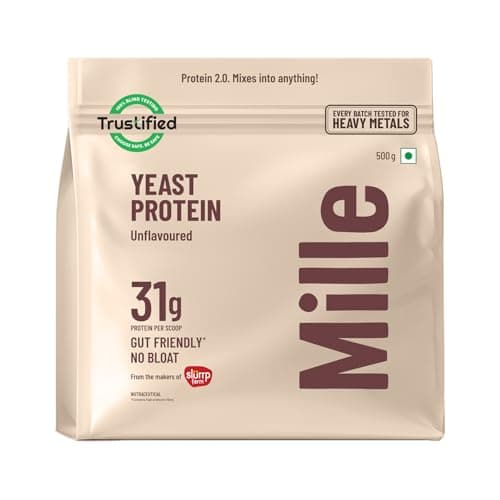
Millé: A Supergrain Co. Mille Plant Protein Powder Unflavored…

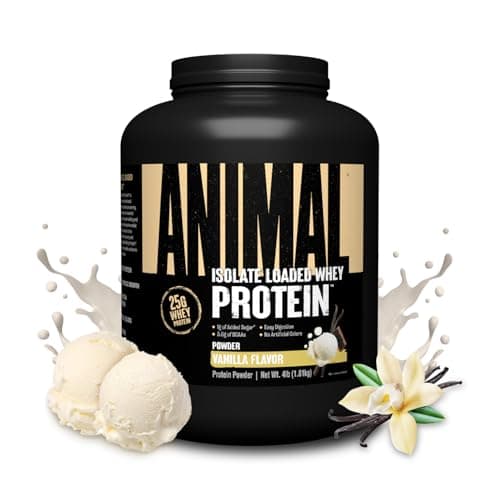
Dymatize x Fruity Pebbles ISO100 Whey Protein Powder Isolate
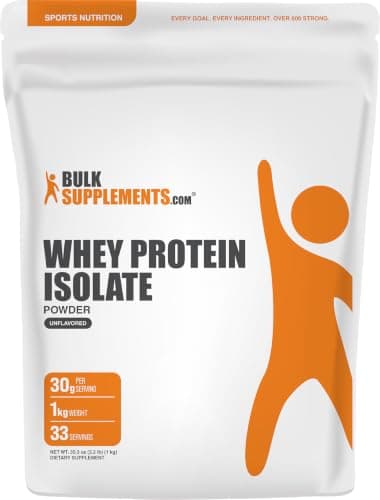
BulkSupplements.com Whey Protein Isolate Powder - Unflavored…

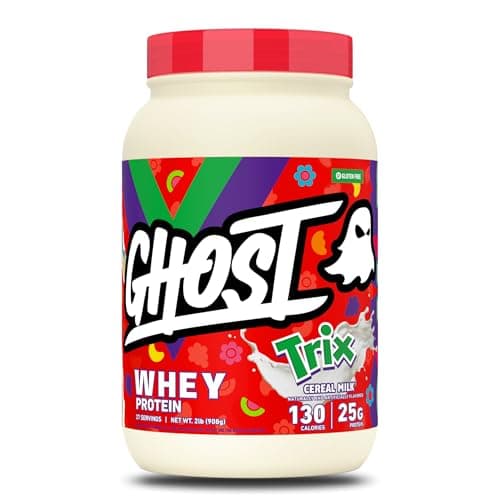
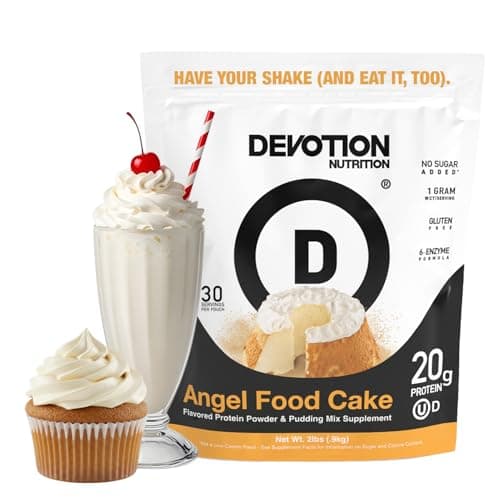
Devotion Nutrition Angel Food Cake Protein Powder for Shakes

Paleo Pro 26G Beef Protein Powder - Grass Fed Protein Powder…
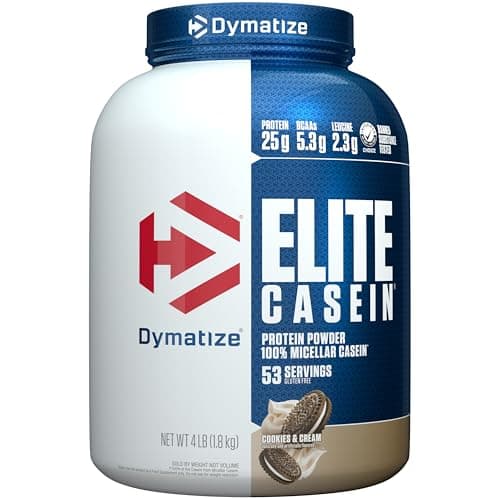
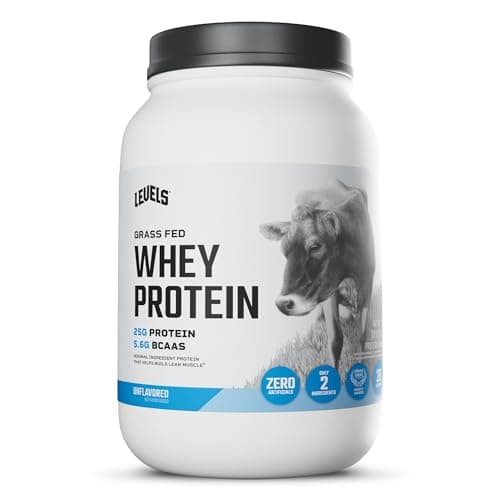
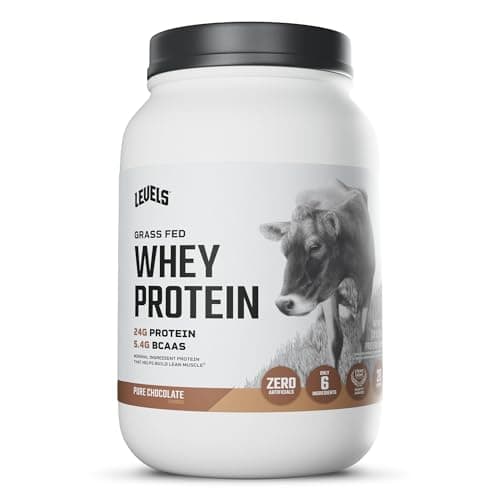
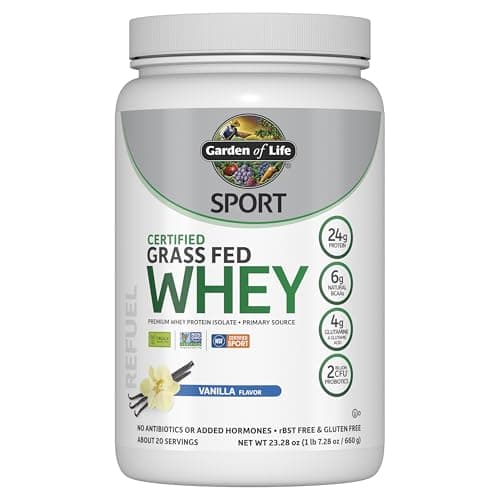
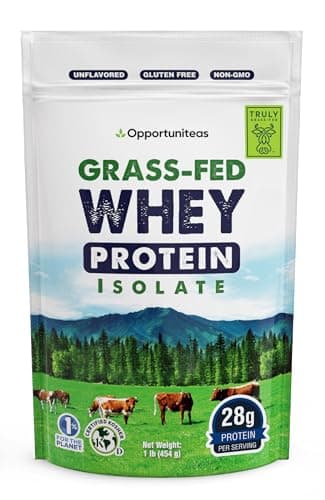
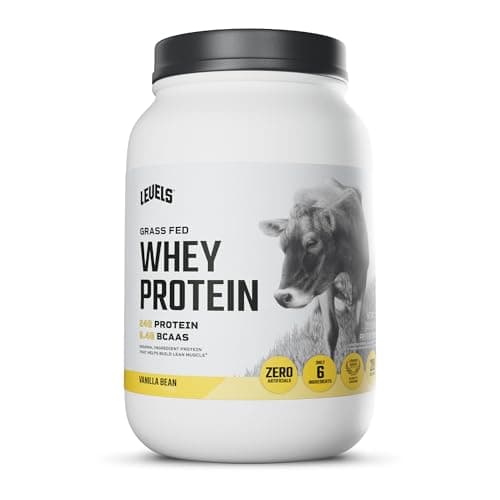
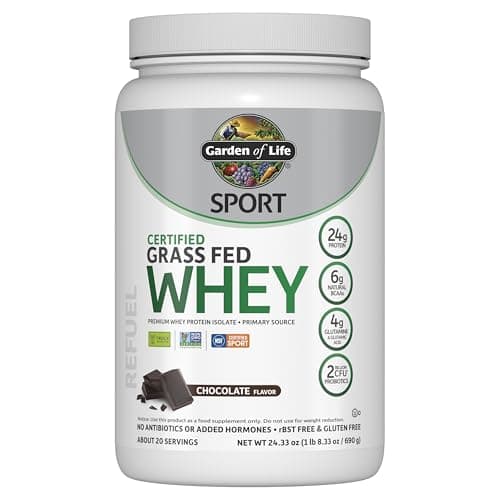
Garden of Life Sport Grass Fed Whey Protein Powder – 24g Whey…
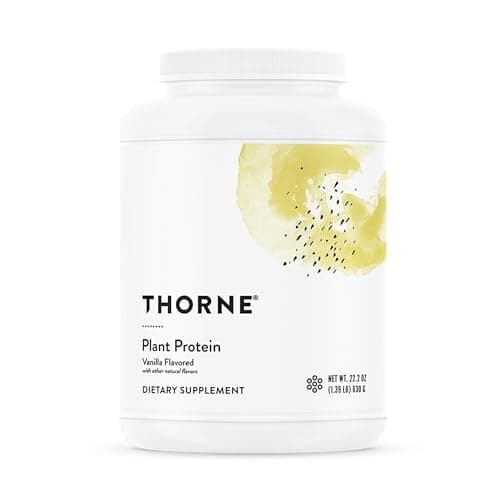

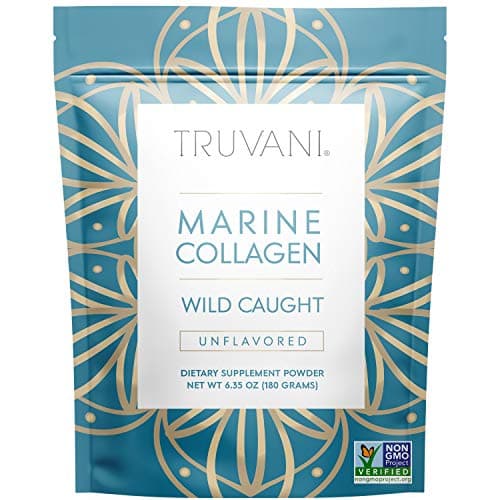
Truvani Wild Caught Hydrolyzed Marine Collagen Protein Powder…
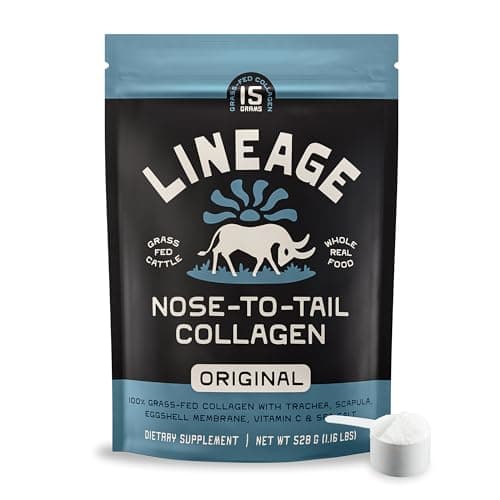
Lineage Provisions 100% Grass Fed Collagen Powder UNFLAVORED…
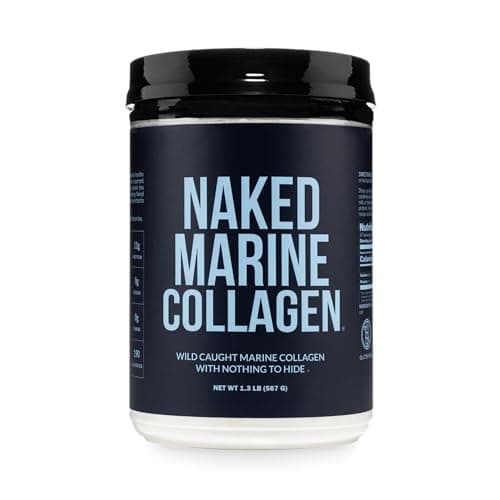
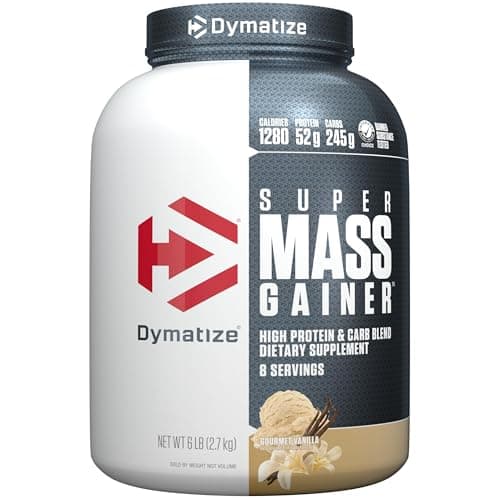


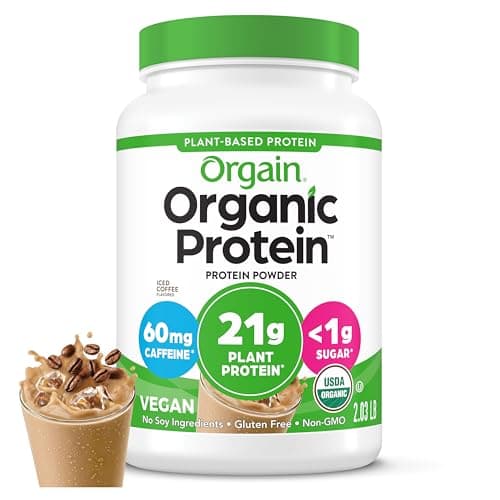

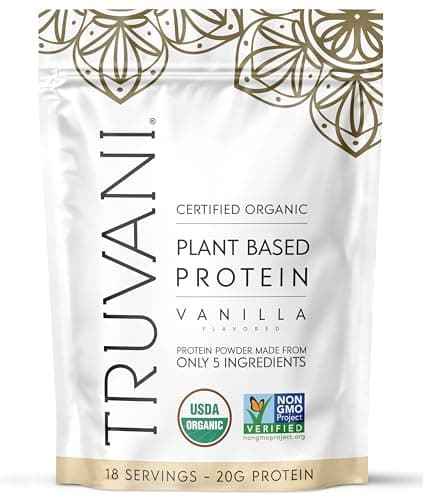
FlavCity Grass Fed Whey Chocolate Protein Powder - 25g Protein…


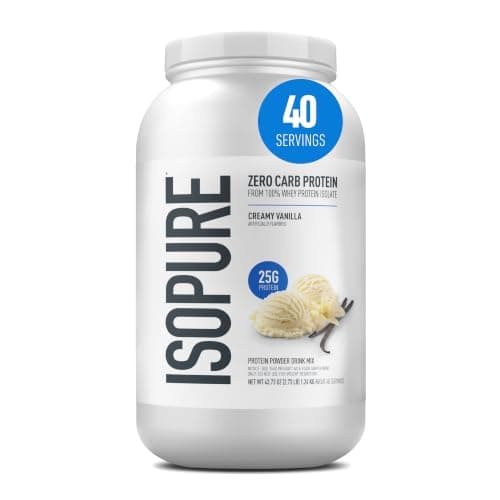
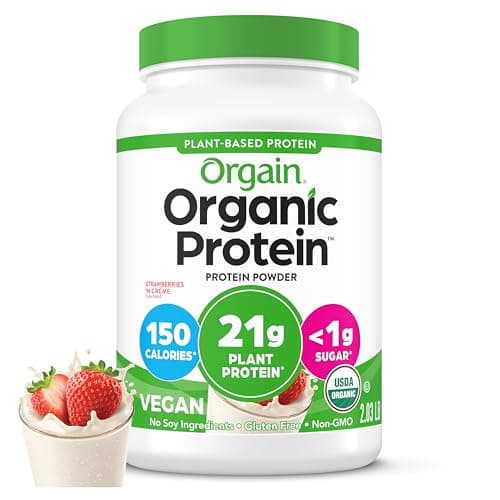
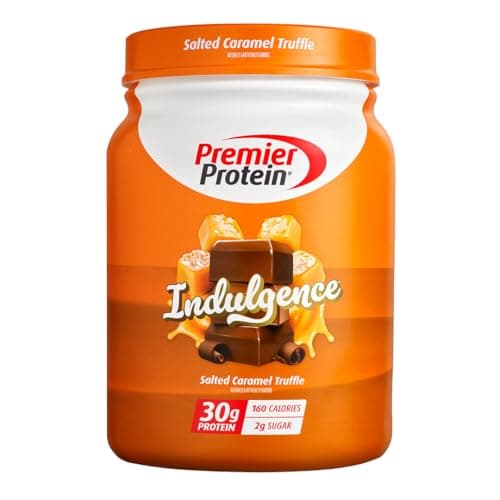
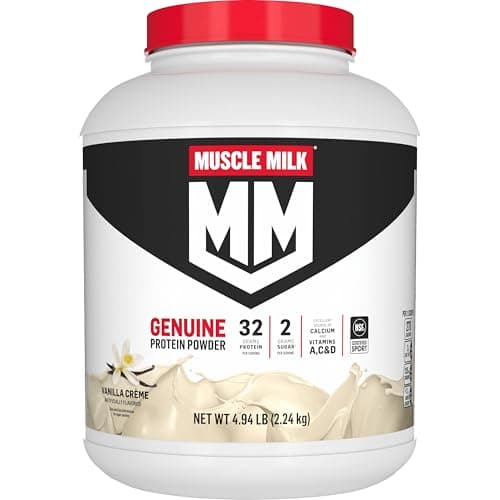
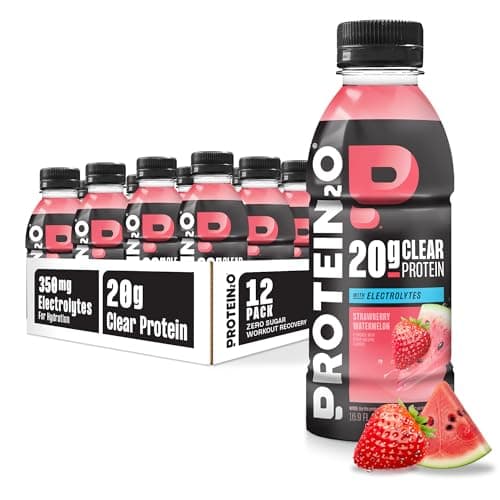
Protein2o Hydration Drink - 2-in-1 Liquid Clear Whey Protein…
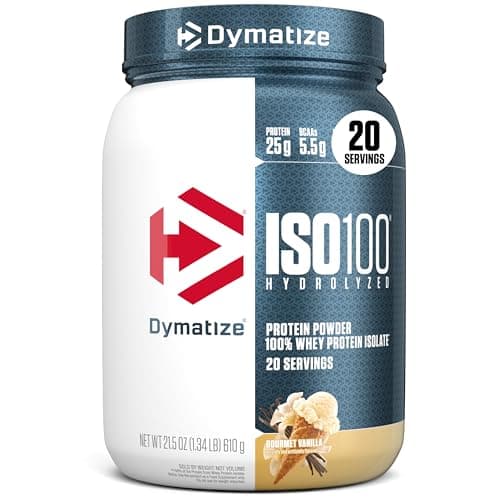
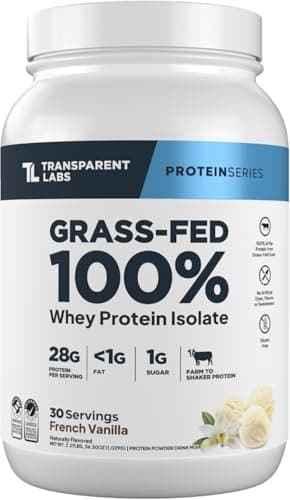
Transparent Labs Grass-Fed Whey Protein Isolate - Naturally…
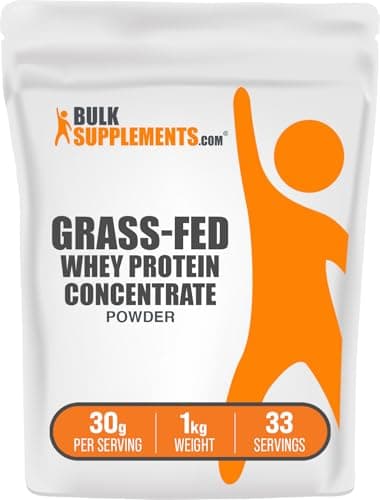
BulkSupplements.com Grass Fed Whey Protein Powder - Whey…
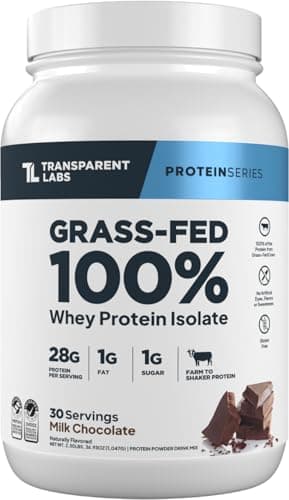
Transparent Labs Grass-Fed Whey Protein Isolate - Naturally…
Every Protein Powder deal above is ranked by real cost per dose with no paid placement — see our and .
2 of 36 tracked Protein Powder brands here are flagged as carrying independent third-party testing — a voluntary check of a product's identity, potency and contaminants by an outside lab. It's a quality signal, not a value or efficacy claim. Confirm any brand's current status on the official registries:
Testing status is self-reported by the brand or drawn from public certification and may change — always verify on the official registry before purchase.
The cheapest protein powder we track works out to $0.03 per gram. That is real from live Amazon US prices, not the sticker price. The full ranking is on the Best Protein Powder page.
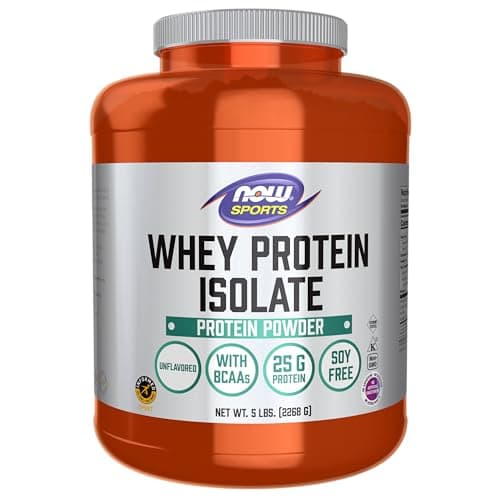
NOW Foods Sports Nutrition at $0.03 per gram — the lowest cost-per-dose protein powder in our catalog. See the full ranking on the Best Protein Powder page.
We're tracking 76 active Protein Powder deals across Amazon US and partner retailers, ranked by community votes and cost-per-dose — not paid placement.
Deals are submitted by the community and ranked by net votes (hot minus cold) plus cost-per-dose normalised across container sizes. We take no affiliate kickbacks for ordering; sponsored slots, when present, are clearly badged.
Per NIH ODS, the Food and Nutrition Board has not set a for protein, noting that the risk of adverse effects from excess protein from food is very low; ODS advises caution for those obtaining high protein intakes from foods and supplements because of limited data on potential adverse effects. ODS reports no safety concerns at daily recommended intakes for athletes of up to about 2.0 g/kg body weight (about 136 g for a 150-lb person) and lists no known adverse effects for protein at these intakes. ODS frames athlete protein needs at about 0.55 to 0.9 g/lb body weight (1.2 to 2.0 g/kg) per day, generally obtainable from food. ODS adds that high-protein diets providing two to three times the
We link primary sources and paraphrase their findings — never copy their text, tables, or images. Cost-per-dose figures are our own first-party catalog data.
Per NIH ODS, many foods contain protein, including meats, poultry, seafood, eggs, dairy products, beans, and nuts. ODS notes that complete proteins (containing all EAAs) come mainly from animal products such as meat, poultry, fish, eggs, and milk, whereas some plant proteins are incomplete (for example, soy lacks methionine and rice lacks isoleucine), so a combination of plant-based foods with complementary proteins that together provide all EAAs can supply them. ODS does not give per-food protein gram amounts in this fact sheet.
Dosage, upper-limit, deficiency, food-source and interaction facts are sourced from the NIH Office of Dietary Supplements Protein Powder fact sheet. General information, not medical advice.