
☀️
Vitamin D3
vitamin · 366 active deals
High absorptionHow much does Vitamin D3 cost?
The best-value Vitamin D3 right now is about $0.02 per dose — across the 296 we can price per dose the median is $0.111/dose, so shopping on cost-per-dose can cut your cost several-fold. Every Vitamin D3 deal here is ranked by cost per dose — what you actually pay per serving, not the sticker price — because forms and absorption differ, so the cheapest bottle isn’t always the cheapest dose.
Prices checked · live from the Amazon US catalog.
Right now the best value across our full Vitamin D3 catalog is at $0.02 per serving.
Median $0.111/servingCheapest quartile under $0.055across 296 tracked Vitamin D3 deals
Recommended daily intake
Daily Value
What Vitamin D3 does
Vitamin D is a fat-soluble vitamin that the body must convert through two hydroxylations into its active form; it is required to promote calcium absorption in the gut and to maintain adequate serum calcium and phosphate concentrations for normal bone mineralization, and it is needed for bone growth and remodeling. Without sufficient vitamin D, bones can become thin, brittle, or misshapen; vitamin D sufficiency prevents rickets in children and osteomalacia in adults, and together with calcium it helps protect older adults from osteoporosis. The NIH notes vitamin D has other roles in the body, including reduction of inflammation and modulation of processes such as cell growth, neuromuscular and immune function, and glucose metabolism, with many genes involved in cell proliferation, differentiation, and apoptosis modulated in part by vitamin D. The NIH also cautions that the extent to which serum 25(OH)D levels serve as a biomarker of effect on health outcomes is not clear and that optimal concentrations for general health have not been established. — per the NIH Office of Dietary Supplements; not medical advice.
Forms & absorption
In foods and dietary supplements, vitamin D has two main forms, D2 (ergocalciferol) and D3 (cholecalciferol), which differ chemically only in their side-chain structures; both are well absorbed in the small intestine, and the presence of dietary fat enhances but is not required for absorption. According to the NIH, both D2 and D3 raise serum 25(OH)D levels and appear equally able to cure rickets, but most evidence indicates vitamin D3 increases serum 25(OH)D to a greater extent and maintains those higher levels longer than D2. D2 is manufactured by UV irradiation of ergosterol in yeast and D3 typically from 7-dehydrocholesterol in sheep's-wool lanolin, with an animal-free D3 sourced from lichen also available; the NIH adds that the 25(OH)D3 form is about three to five times as potent per microgram as vitamin D3, though no 25(OH)D3 supplements appear to be on the U.S. market.
Food sources of Vitamin D3
Few foods naturally contain vitamin D: the flesh of fatty fish (such as trout, salmon, tuna, and mackerel) and fish liver oils are among the best sources, while beef liver, egg yolks, and cheese have small amounts, and mushrooms provide variable amounts of vitamin D2. In American diets, fortified foods (for example, milk, ready-to-eat breakfast cereals, and some orange juice, yogurt, and margarine) provide most of the vitamin D — per the NIH Office of Dietary Supplements.
Vitamin D3 deficiency — who's at risk
When and how to take Vitamin D3
Vitamin D3 is fat-soluble, so take it with the largest meal of the day — one that contains some fat — for the best absorption. Time of day does not matter much; some people who take it late report lighter sleep, so if that is you, take it earlier.
Can you take Vitamin D3 with other supplements?
It pairs naturally with vitamin K2 and magnesium, both of which help the body use vitamin D. There is no need to space it from most other supplements.
Vitamin D3 side effects
Very well tolerated at normal doses. Problems come only from long-term megadoses, which can raise blood calcium — stay within the amount on the label unless a blood test and clinician say otherwise.
General guidance on timing and absorption, not medical advice. Check with a clinician about your medications and conditions.


Amazon Elements Vitamin D3, 125 mcg (5000 IU), 180 Softgels
Amazon ElementsAmazon.com
$0.04/serving
$8.080°

Nature's Truth Calcium 600mg with Vitamin D3 | 250 Caplets
Nature's TruthAmazon.com
$0.05/serving
$12.270°

Nature's Bounty Calcium Plus 400 IU Vitamin D3, 300 Tablets
Nature's BountyAmazon.com
$0.06/serving
$17.400°

Nature's Truth Vitamin D3 5000 IU Softgels | 400 Count | High…
Nature's TruthAmazon.com
$0.05/serving
$19.290°


Nature's Bounty Calcium 1200mg with Vitamin D3, 220 Softgels
Nature's BountyAmazon.com
$0.07/serving
$14.890°

Rugby 600mg Calcium Tablets - Made with 10mcg (400 IU)…
RUGBY LABORATORIESAmazon.com
$0.10/serving
$6.150°

Rugby 600mg Calcium Tablets - Made with 10mcg (400IU)…
RUGBY LABORATORIESAmazon.com
$0.05/serving
$9.350°


Micro Ingredients Vitamin D3 K2 MK-7 10,000 IU Per Serving
Micro IngredientsAmazon.com
$0.14/serving
$24.950°


Bariatric Calcium Citrate with Vitamin D3 | 600mg | Higher…
Bariatric BestAmazon.com
$0.16/serving
$19.790°


Elderberry Capsules | 1000mg Sambucus Elderberry with Zinc…
NutraChampsAmazon.com
$0.17/serving
$19.950°

VINATURA HMB 3000mg and Vitamin D3 Supplement - Muscle Defense…
VINATURAAmazon.com
$0.24/serving
$28.990°


Nature Made Calcium 600 mg with Vitamin D3 for Bone Support
Nature MadeAmazon.com
$0.14/serving
$8.590°

Rugby 600mg Calcium Tablets - Made with 10mcg (400IU)…
RUGBY LABORATORIESAmazon.com
$0.05/serving
$17.900°



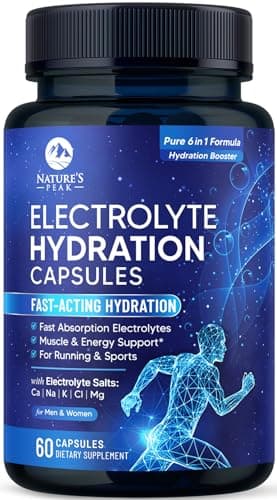
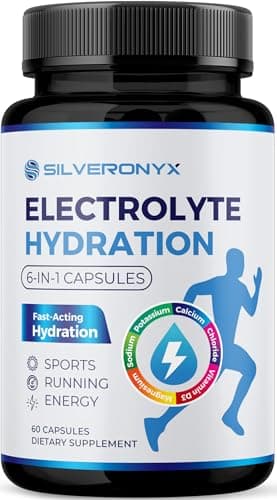
Electrolytes Supplement - 6-in-1 Advanced Hydration Complex…
Nature's PeakAmazon.com
$0.11/serving
$6.820°
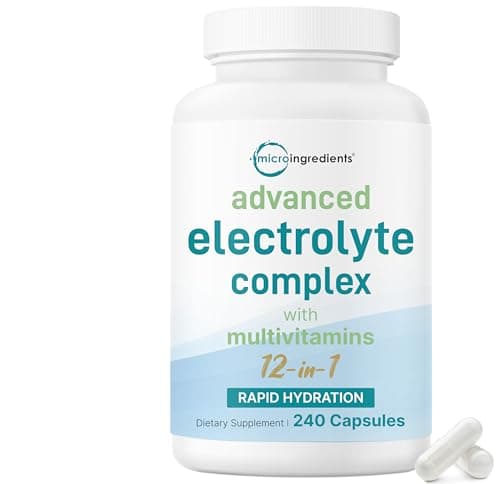
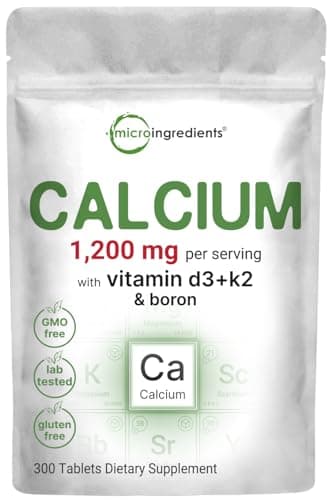
Calcium 1,200mg with Vitamin D3 & K2, 300 Tablets | Calcium…
Micro IngredientsAmazon.com
$0.07/serving
$19.990°
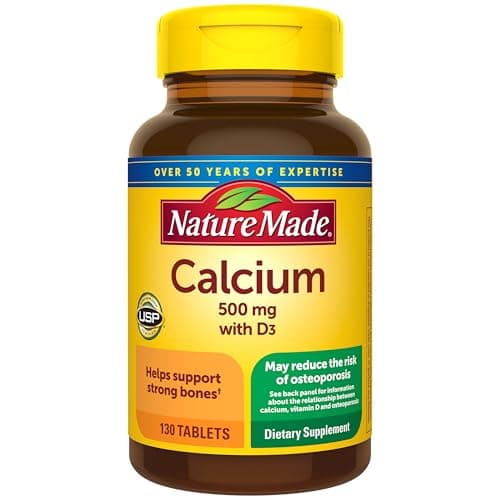
Nature Made Calcium 500 mg with Vitamin D3 for Bone Support
Nature MadeAmazon.com
$0.08/serving
$10.790°
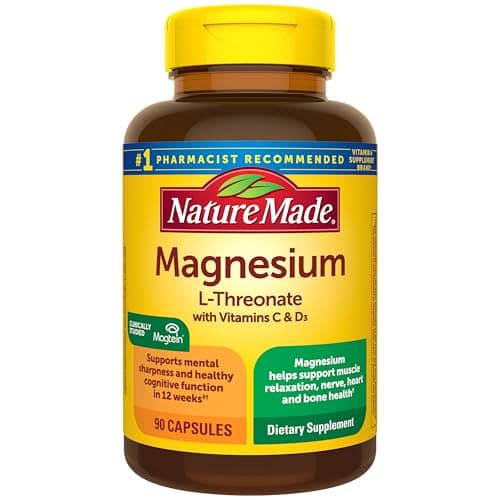
Nature Made Magnesium L-Threonate with Vitamin C & Vitamin D3…
Nature MadeAmazon.com
$0.41/serving
$36.990°

Vitamin D3 5000 UI (125mcg) - SuperSmart | High Potency…
SuperSmart USA LLCSuperSmart
$0.22/serving
$13.000°
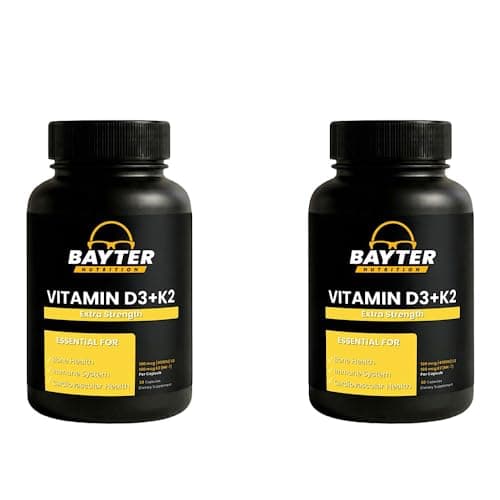
Extra Strength Vitamin D3+K2 - Vitamin D 4000 IU (100mcg)…
Bayter NutritionAmazon.com
$0.95/serving
$28.450°
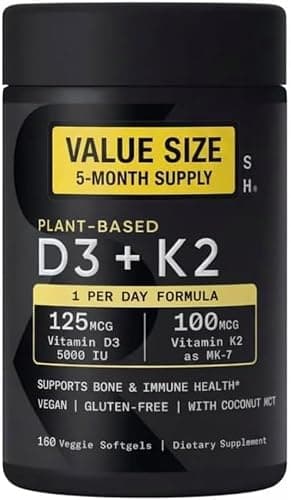
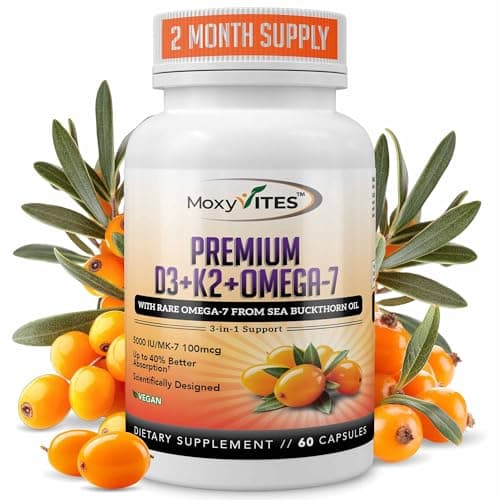
MoxyVites Vitamin D3 K2 5000 IU – High Absorption D3 + K2 MK-7…
MoxyVitesAmazon.com
$0.40/serving
$23.970°

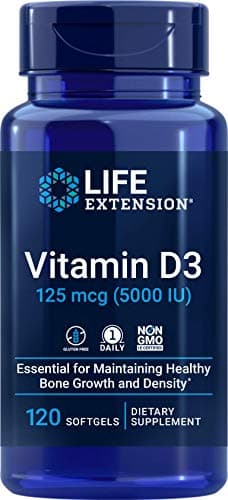
Life Extension Vitamin D3 5000 IU, 120 Softgels, 125mcg
Life ExtensionAmazon.com
$0.12/serving
$14.750°
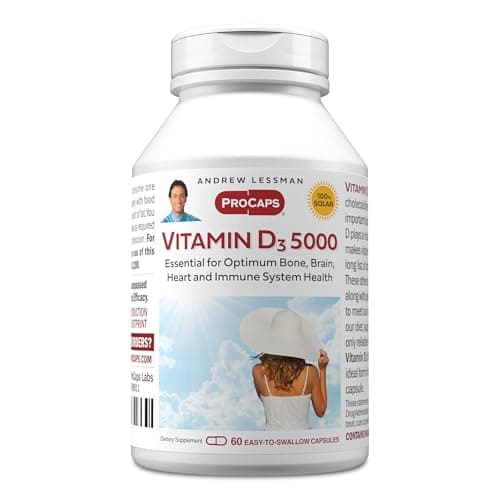
ANDREW LESSMAN Vitamin D3 5000 IU 60 Capsules - High Potency
Andrew LessmanAmazon.com
$0.23/serving
$13.900°
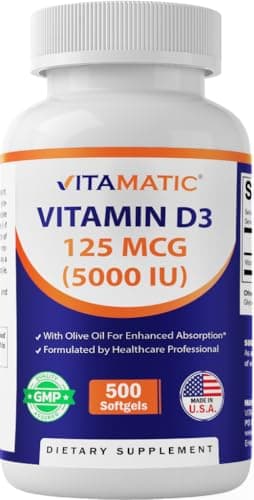
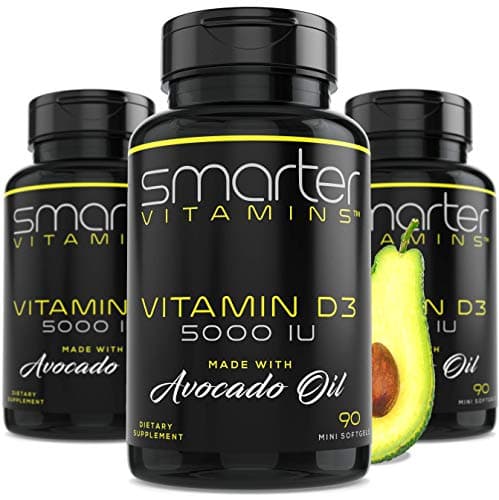
(3 Pack) Smarter Vitamin D3 5000 IU in Avocado Oil 125mcg…
SmarterVitaminsAmazon.com
$0.13/serving
$34.830°
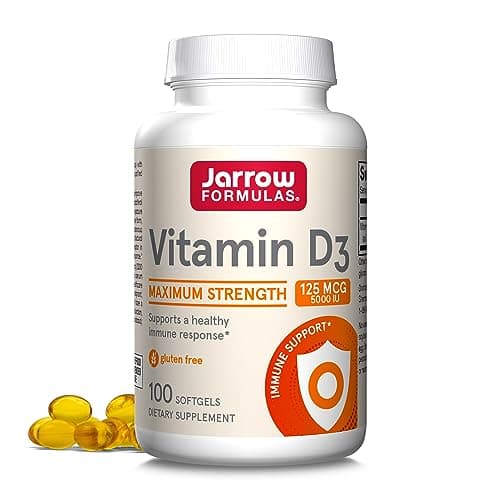
Jarrow Formulas Vitamin D3 125 mcg (5000 IU) - 100 Servings…
Jarrow FormulasAmazon.com
$0.13/serving
$12.590°
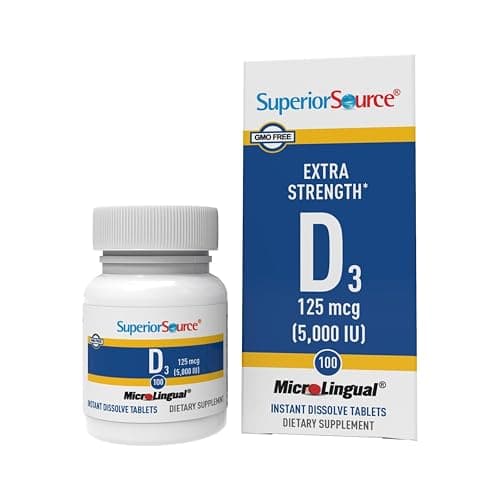
Superior Source Vitamin D3 5000 IU - Offers Immune System
Superior SourceAmazon.com
$0.12/serving
$12.490°
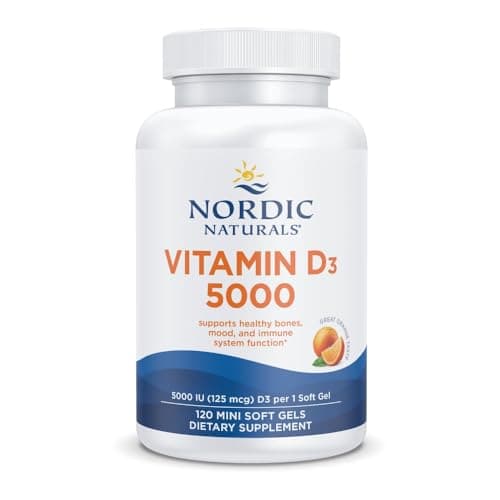
Nordic Naturals Vitamin D3 5000, Orange - 120 Mini Soft Gels…
Nordic NaturalsAmazon.com
$0.18/serving
$21.210°
Vitamin D3 5000 IU (125 mcg) Natural Immune Support Supplement
BioSchwartzAmazon.com
$0.04/serving
$14.970°

Doctor's Best Vitamin D3 5000 IU Softgels for Men & Women…
Doctor's BestAmazon.com
$0.04/serving
$13.990°
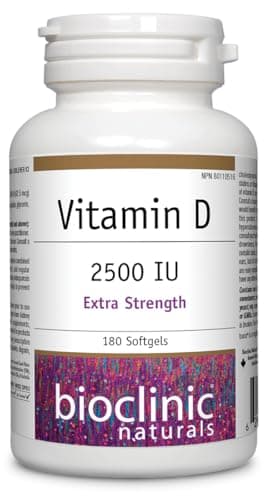
Bioclinic Naturals - Vitamin D3 5000 IU, 180 Softgels
Bioclinic NaturalsAmazon.com
$0.12/serving
$22.050°
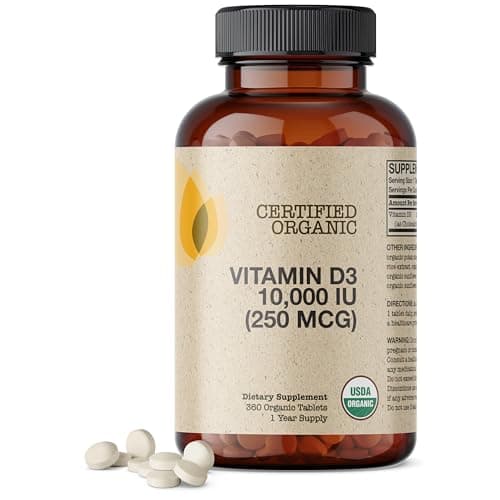
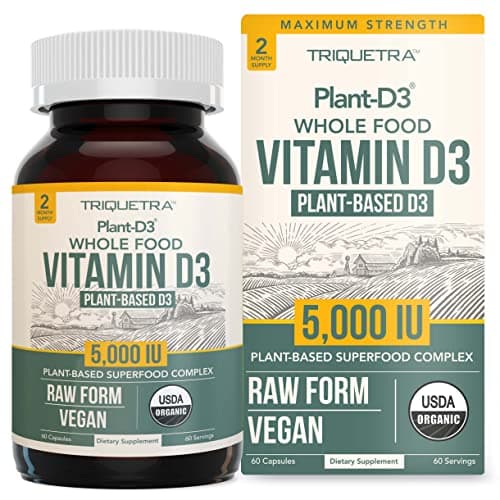
Organic Vitamin D3 5,000 IU - 100% Whole Food & Plant-Based…
Triquetra HealthAmazon.com
$0.32/serving
$18.990°
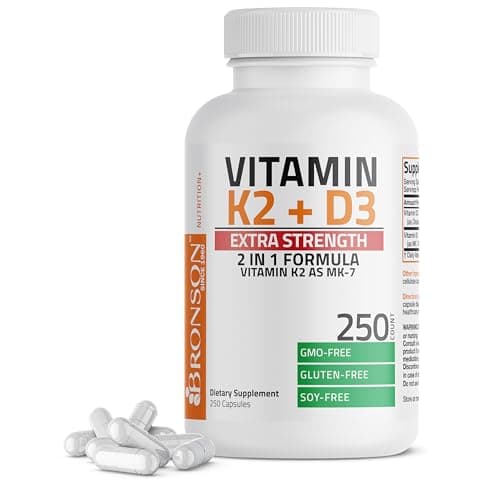
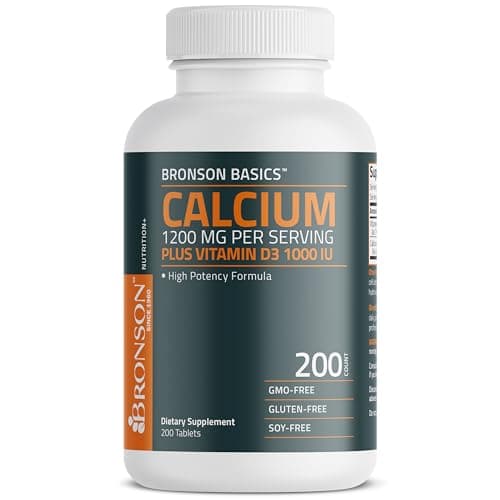
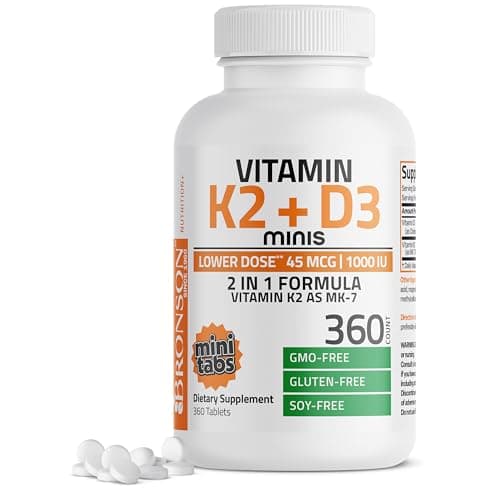
Vitamin K2 (MK7) with D3 Lower Dose 45mcg Vitamin K2 & 1000 IU…
BronsonAmazon.com
$0.04/serving
$14.990°
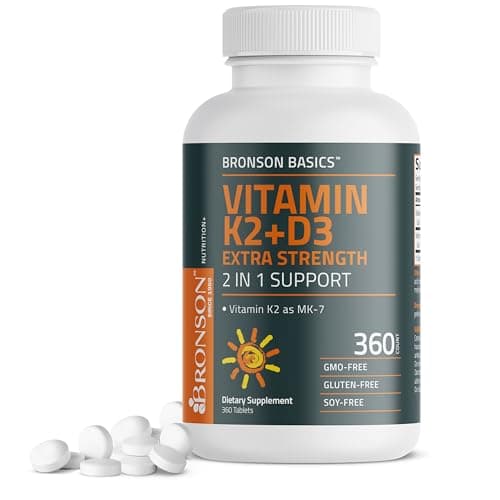
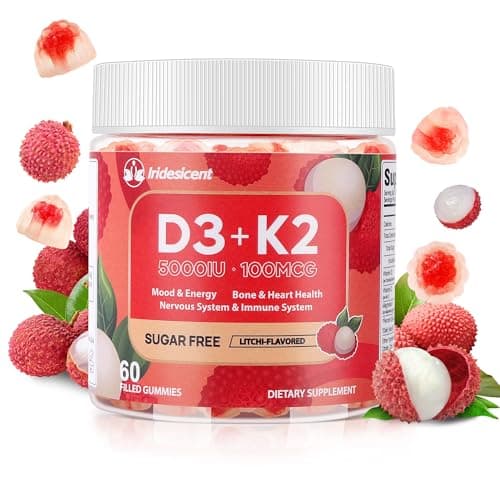
Vitamin D3 K2 Gummies Sugar Free - 60 Count | 5,000 IU Vitamin…
IRIDESICENTAmazon.com
$0.37/serving
$21.990°
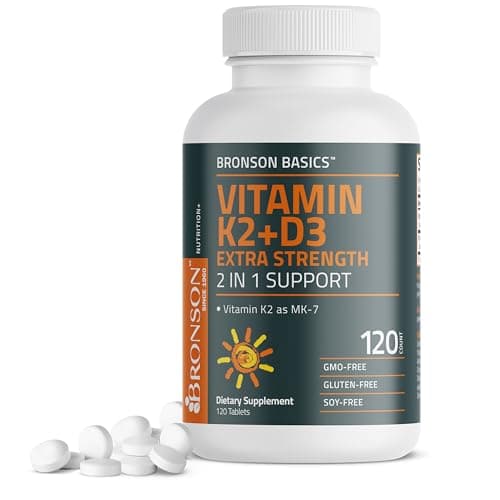
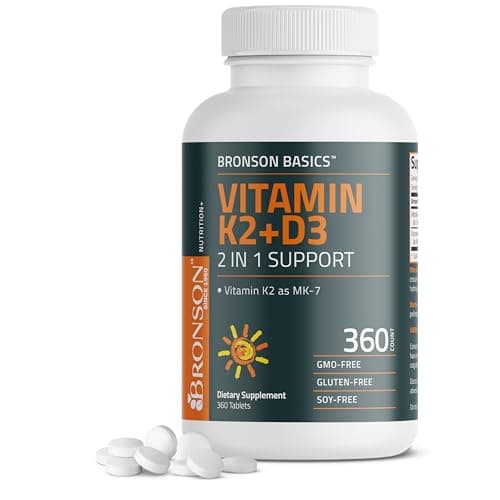
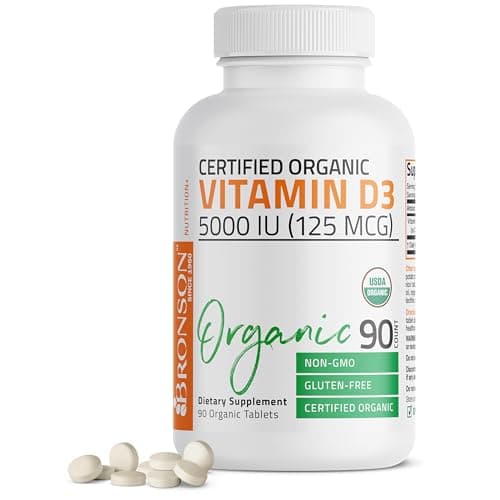
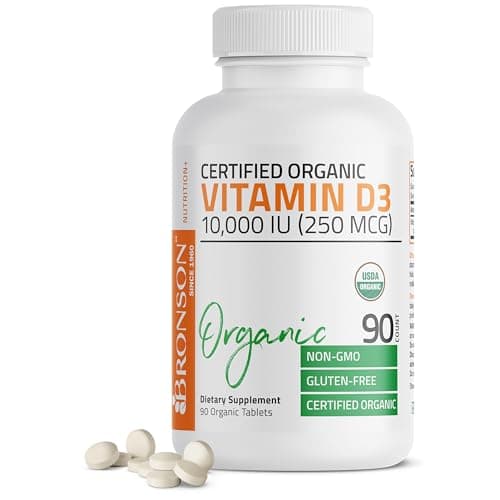
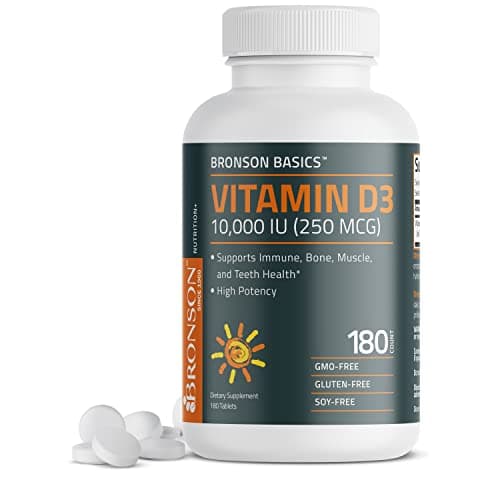
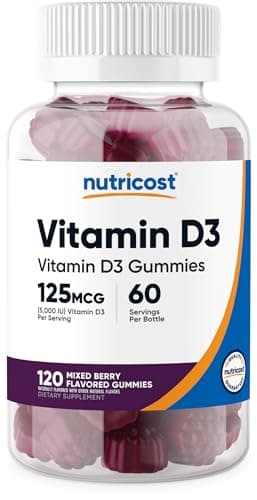
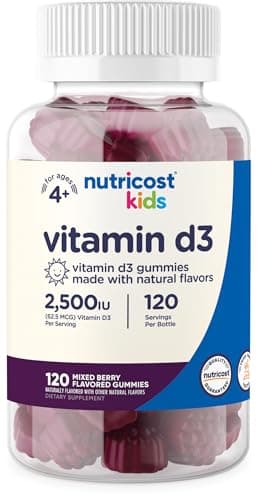
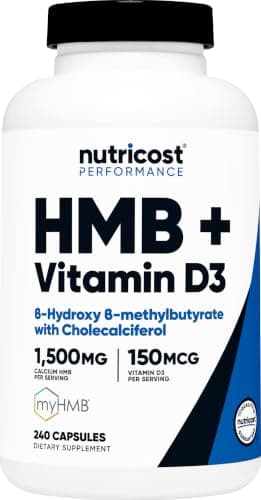
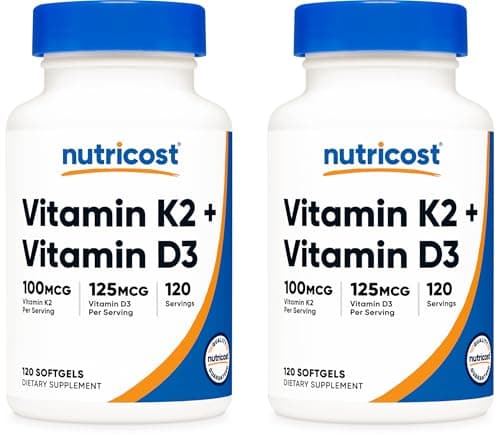
Vitamin K2 (MK7) (100mcg) + Vitamin D3 (5000 IU) 120 Softgels…
NutricostAmazon.com
$0.25/serving
$29.900°
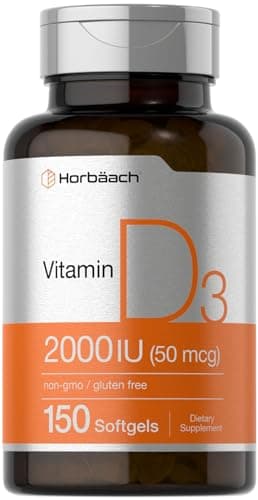
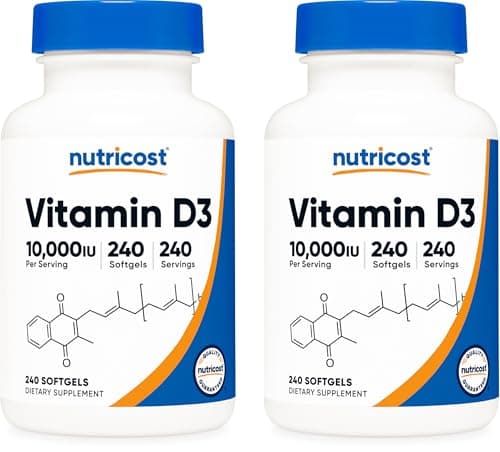
Every Vitamin D3 deal above is ranked by real cost per dose with no paid placement — see our and .
Independent testing
3 of 63 tracked Vitamin D3 brands here are flagged as carrying independent third-party testing — a voluntary check of a product's identity, potency and contaminants by an outside lab. It's a quality signal, not a value or efficacy claim. Confirm any brand's current status on the official registries:
Testing status is self-reported by the brand or drawn from public certification and may change — always verify on the official registry before purchase.
Vitamin D3 — dosage, safety & deals FAQ
- How much Vitamin D do you need per day?
RDAs are 15 mcg (600 ) for ages 1-70, including pregnancy and lactation, and 20 mcg (800 IU) for those over 70. Infants 0-12 months have an Adequate Intake of 10 mcg (400 IU). These assume minimal sun exposure. — per the NIH Office of Dietary Supplements; general information, not medical advice.
- Can you take too much Vitamin D?
Yes. The ranges from 25 to 100 mcg (1,000-4,000 ) by age; adults 19+ are 100 mcg (4,000 IU). Toxicity, almost always from supplements, causes hypercalcemia, hypercalciuria, and high serum 25(OH)D, leading to nausea, kidney stones, and in extreme cases renal failure, soft-tissue calcification, cardiac arrhythmias, and death. — per the NIH Office of Dietary Supplements; general information, not medical advice.
- What are the signs of Vitamin D deficiency?
In children, deficiency causes rickets: failure of bone tissue to mineralize, soft bones, and skeletal deformities; severe rickets can cause failure to thrive, developmental delay, hypocalcemic seizures, tetanic spasms, cardiomyopathy, and dental abnormalities. In adolescents and adults it causes osteomalacia, with bone deformities and pain, hypocalcemic seizures, tetanic spasms, and dental abnormalities. — per the NIH Office of Dietary Supplements; general information, not medical advice.
- Who is most likely to need more Vitamin D?
Groups most likely to have inadequate vitamin D status include breastfed infants, older adults, people with limited sun exposure, people with dark skin, people with conditions that limit fat absorption, and people with obesity or who have had gastric bypass surgery. — per the NIH Office of Dietary Supplements; general information, not medical advice.
Vitamin D3 guides
Related vitamins
References & sources
- Vitamin D: Fact Sheet for Health Professionals — NIH Office of Dietary Supplements
- USP Verified product participants — U.S. Pharmacopeia
- NSF certified products — NSF
We link primary sources and paraphrase their findings — never copy their text, tables, or images. Cost-per-dose figures are our own first-party catalog data.