
Lutein and Zeaxanthin Supplement - AREDS 2 Plus+ Eye Vitamins
FIDERNICAmazon.com
$0.10/serving
$29.990°
mineral · 128 active deals
The best-value Zinc right now is about $0.02 per dose — across the 88 we can price per dose the median is $0.116/dose, so shopping on cost-per-dose can cut your cost several-fold. Every Zinc deal here is ranked by cost per dose — what you actually pay per serving, not the sticker price — because forms and absorption differ, so the cheapest bottle isn’t always the cheapest dose.
Prices checked · live from the Amazon US catalog.
Right now the best value across our full Zinc catalog is at $0.02 per serving.
Recommended daily intake
Chronic high doses can deplete copper; respect the upper limit. General FDA/NIH adult guidance — not medical advice.
Zinc is an essential mineral involved in many aspects of cellular metabolism; according to the NIH Office of Dietary Supplements, it is required for the catalytic activity of hundreds of enzymes and plays a role in immune function, protein and DNA synthesis, wound healing, and cell signaling and division, and it also supports healthy growth and development during pregnancy, infancy, childhood, and adolescence and is involved in the sense of taste. The fact sheet notes that zinc has been studied for several conditions, including the common cold, pneumonia and acute diarrhea in children, HIV, age-related macular degeneration, and type 2 diabetes. For the common cold, clinical trials have reported mixed and inconsistent results: supplemental zinc in lozenge or syrup form taken early appears to reduce the duration but not the severity of cold symptoms, with recent reviews rating the certainty of evidence as low to very low. Overall the sheet emphasizes that evidence across these uses is limited or conflicting, so findings should be interpreted with caution — per the NIH Office of Dietary Supplements; not medical advice.
Per the NIH Office of Dietary Supplements, zinc supplements come in several forms, including zinc sulfate, zinc acetate, and zinc gluconate, and the Supplement Facts label declares the amount of elemental zinc rather than the weight of the whole zinc compound. The sheet states that absorption from supplements containing zinc citrate or zinc gluconate is similar at about 61% in young adults, while absorption from zinc oxide is about 50%. It also notes that taking 25 mg or more of elemental iron at the same time as zinc can reduce zinc absorption and plasma zinc concentrations.
A supplement's front-label figure is usually the compound weight, not elemental zinc. By weight, zinc oxide is about 80% elemental while gluconate is only about 14% — so a “1,000 mg gluconate” capsule delivers roughly 140 mg of elemental zinc. Always compare the “Zinc” line in the Supplement Facts panel, not the number on the front of the bottle.
| zinc form | ~% elemental | elemental mg per 1,000 mg |
|---|
Zinc absorbs best on an empty stomach, but it causes nausea in some people — if it does, take it with a meal. Avoid taking it with high-calcium or high-iron foods and supplements, which blunt absorption.
Space zinc from iron and calcium by a couple of hours. Long-term high-dose zinc depletes copper, so extended use often pairs a little copper with it.
On an empty stomach zinc can cause nausea. Very high intakes over time can cause a copper deficiency.
General guidance on timing and absorption, not medical advice. Check with a clinician about your medications and conditions.
Lutein and Zeaxanthin Supplement - AREDS 2 Plus+ Eye Vitamins


Dr. Berg Black Elderberry Capsules (Advanced Immune Support*)…


Lutein and Zeaxanthin Supplement - AREDS 2 Plus+ Eye Vitamins…

Mt. Angel Vitamins - Zinc Citrate 50mg - Zinc 50 mg Citrate…


Zinc Gummies 50mg - Extra Strength Immune Support Antioxidant…

PurePremium Zinc 50mg Supplements for Men/Women - High Potency…


NutriCology Zinc Citrate 50 mg Immune, 60 Capsules
![Zinc 50mg [High Potency] Supplement - Immune Support System…](/_next/image?url=https%3A%2F%2Fm.media-amazon.com%2Fimages%2FI%2F41v6shLotPL._SL500_.jpg&w=3840&q=75)
Zinc 50mg [High Potency] Supplement - Immune Support System…


Zinc 50mg - Zinc Picolinate Immune Health Support Supplement…

Best Naturals Zinc 50mg Supplements (as Zinc Picolinate)…


Zinc Picolinate (High Absorption Zinc) | 50 mg | 180 Quick…


Elderberry Capsules | 1000mg Sambucus Elderberry with Zinc…

Bluebonnet Nutrition Earthsweet Zinc Lozenges 15mg Chewables

Clean Nutraceuticals Shilajit Supplement for Men with Sea Moss
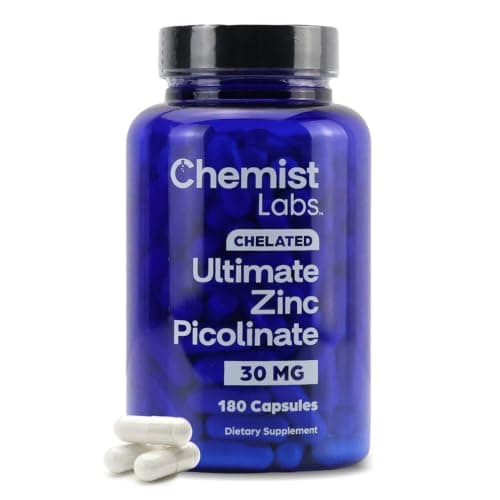
Zinc Picolinate | Fast-Absorbing Zinc Supplements | Immune…
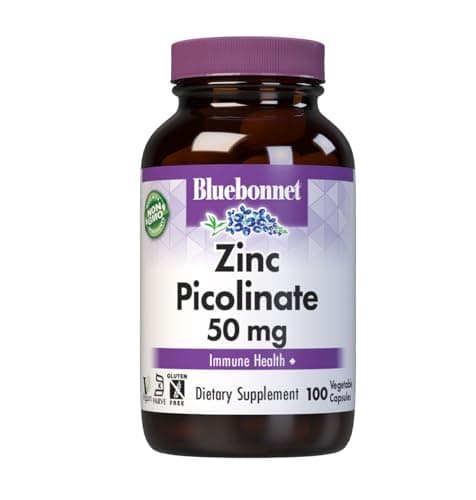
Bluebonnet Nutrition Zinc Picolinate 50 mg Vegetable Capsules
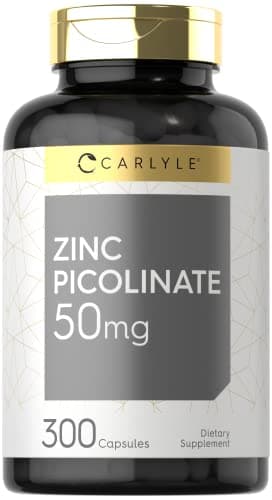

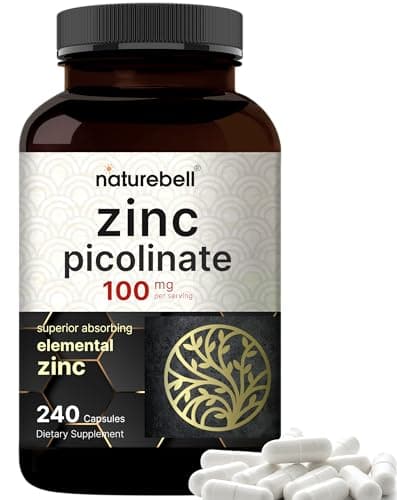
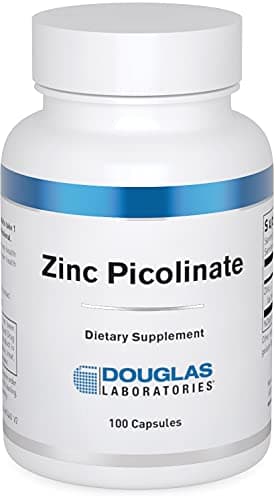
Douglas Laboratories Zinc Picolinate - 50 mg Zinc - For Immune…
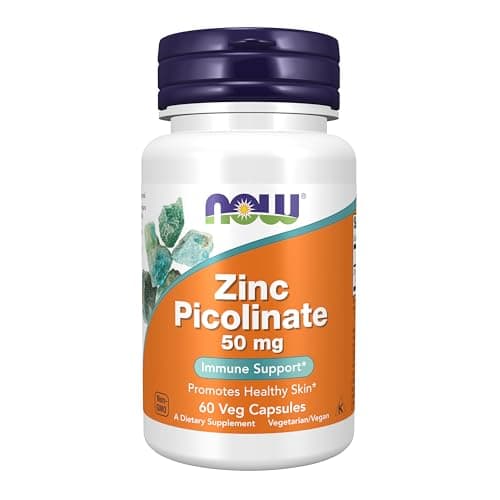
NOW Foods Supplements, Zinc Picolinate 50 mg, Supports Enzyme…
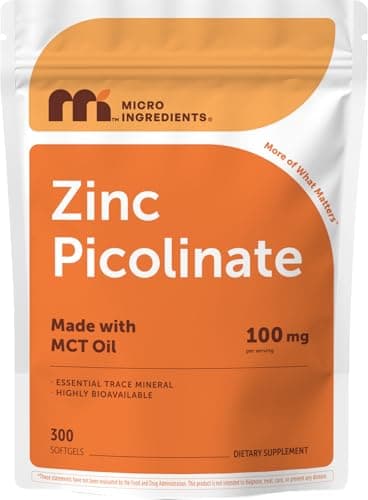
Micro Ingredients Zinc Picolinate 100 mg Per Serving
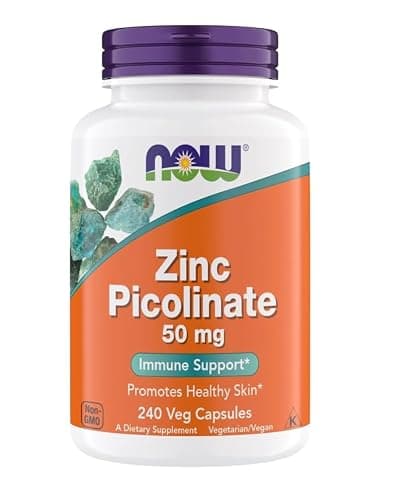
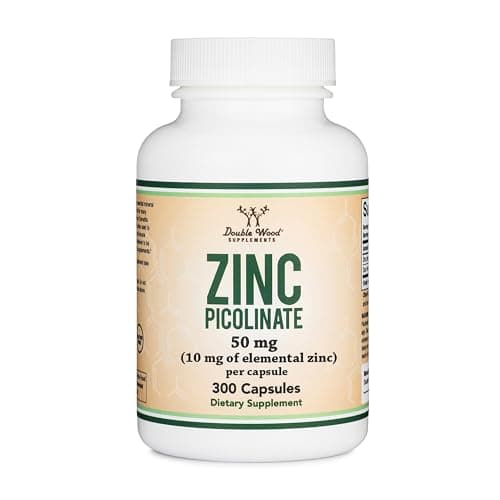
Zinc Picolinate 50mg, 10mg Elemental Zinc, Immune + Skin…
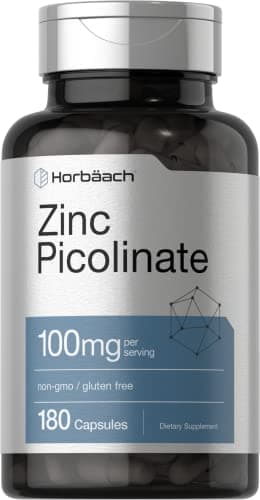
Horbäach Zinc Picolinate 100mg | 180 Capsules | High Potency…
Every Zinc deal above is ranked by real cost per dose with no paid placement — see our and .
2 of 37 tracked Zinc brands here are flagged as carrying independent third-party testing — a voluntary check of a product's identity, potency and contaminants by an outside lab. It's a quality signal, not a value or efficacy claim. Confirm any brand's current status on the official registries:
Testing status is self-reported by the brand or drawn from public certification and may change — always verify on the official registry before purchase.
The for adults 19+ is 11 mg for men and 8 mg for women. Pregnancy is 11 mg and lactation 12 mg (ages 19+). For ages 14-18, it is 11 mg (male) and 9 mg (female), with 12 mg in pregnancy and 13 mg in lactation. Children: 2-8 mg by age; birth-6 months has an AI of 2 mg. — per the NIH Office of Dietary Supplements; general information, not medical advice.
Yes. The is 40 mg for adults (34 mg for ages 14-18; 4-23 mg for younger ages). High intakes cause nausea, dizziness, headaches, gastric distress, vomiting, and loss of appetite. Doses of 50 mg or more over weeks can inhibit copper absorption, reduce immune function, and lower HDL cholesterol. — per the NIH Office of Dietary Supplements; general information, not medical advice.
Signs vary by age. In infants and children: diarrhea, impaired growth, loss of appetite; in older children, alopecia, delayed growth, and frequent infections. It can interfere with the senses of taste and smell. In older adults it can delay wound healing and alter cognitive and psychological function. In pregnancy it raises risk of maternal morbidity and adverse birth outcomes. — per the NIH Office of Dietary Supplements; general information, not medical advice.
Groups most likely to have inadequate zinc status include people with gastrointestinal disorders (such as IBD or celiac disease) or who have had bariatric surgery; people following vegetarian or vegan diets; pregnant or lactating women; older infants who are exclusively breastfed after 6 months; children with sickle cell disease; and people with alcohol use disorder. — per the NIH Office of Dietary Supplements; general information, not medical advice.
We link primary sources and paraphrase their findings — never copy their text, tables, or images. Cost-per-dose figures are our own first-party catalog data.
| zinc oxide | ~80% | ~800 mg |
| zinc citrate | ~34% | ~340 mg |
| zinc acetate | ~30% | ~300 mg |
| zinc bisglycinate | ~30% | ~300 mg |
| zinc sulfate | ~23% | ~230 mg |
| zinc picolinate | ~20% | ~200 mg |
| zinc gluconate | ~14% | ~140 mg |
Elemental fractions are from standard molecular weights (rounded); real products vary by hydration and formulation — verify on the Supplement Facts panel.
Meat, fish and other seafood, eggs, and dairy products are good sources of zinc, with the richest sources being meat, fish, and other seafood. Oysters contain more zinc per serving than any other food, but beef contributes 20% of zinc intakes from food in the United States because it is commonly consumed. Beans, nuts, and whole grains also contain zinc, but its bioavailability from these foods is lower because they contain phytates that inhibit absorption — per the NIH Office of Dietary Supplements.
Groups more likely to have inadequate zinc include people with gastrointestinal disorders or who have had bariatric surgery, people who follow vegetarian or vegan diets, women who are pregnant or lactating, older infants who are exclusively breastfed, children with sickle cell disease, and people with alcohol use disorder. Manifestations vary by age: in infants and children, diarrhea is a common sign, while older children can develop alopecia, delayed growth, and frequent infections; deficiency can also impair growth and interfere with the senses of taste and smell. In older adults it can cause delays in wound healing and changes in cognitive and psychological function — per the NIH Office of Dietary Supplements.
High zinc intakes can cause nausea, dizziness, headaches, gastric distress, vomiting, and loss of appetite, and if used for weeks, doses of 50 mg zinc or more can interfere with copper absorption, reduce immune function, and lower HDL cholesterol levels. The amount of zinc obtained from food is rarely as high as 50 mg, so foods are unlikely to cause toxicity. The Tolerable Upper Intake Level for zinc is 40 mg for adults, ranging from 4 to 34 mg for infants, children, and adolescents depending on age — per the NIH Office of Dietary Supplements.
Yes. Zinc may interact with quinolone antibiotics (e.g., Cipro) and tetracycline antibiotics, inhibiting absorption of both if taken together; separate dosing minimizes this. Zinc can reduce the absorption and action of penicillamine. Thiazide diuretics like chlorthalidone and hydrochlorothiazide increase urinary zinc excretion, decreasing serum zinc concentrations. — per the NIH Office of Dietary Supplements; general information, not medical advice.
The cheapest zinc we track works out to $0.02 , against a typical $0.12 across the 88 we can price per dose — about $0.71 a month at the cheapest. That is real from live Amazon US prices, not the sticker price. The full ranking is on the Best Zinc page.
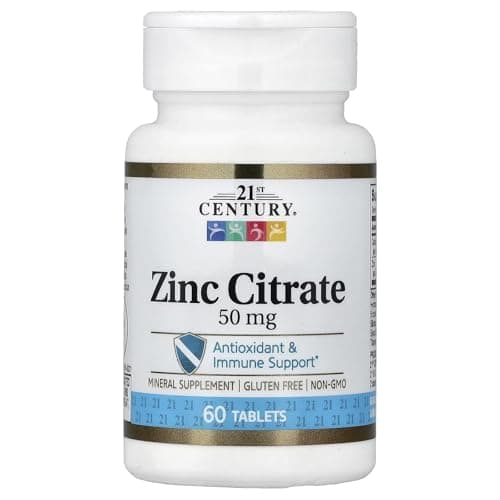
21st Century Zinc Citrate 50mg at $0.02 — the lowest cost-per-dose zinc in our catalog. See the full ranking on the Best Zinc page.
We're tracking 128 active Zinc deals across Amazon US and partner retailers, ranked by community votes and cost-per-dose — not paid placement.
Across the 88 Zinc deals we can price per dose (combination products are left out — their single label dose belongs to whichever ingredient the product is built around) the median cost-per-dose is $0.116; the cheapest quartile comes in under $0.077 . Anything below the median is a solid deal for the same molecule.
Deals are submitted by the community and ranked by net votes (hot minus cold) plus cost-per-dose normalised across container sizes. We take no affiliate kickbacks for ordering; sponsored slots, when present, are clearly badged.
High zinc intakes can cause nausea, dizziness, headaches, gastric distress, vomiting, and loss of appetite, and if used for weeks, doses of 50 mg zinc or more can interfere with copper absorption, reduce immune function, and lower HDL cholesterol levels. The amount of zinc obtained from food is rarely as high as 50 mg, so foods are unlikely to cause toxicity. The for zinc is 40 mg for adults, ranging from 4 to 34 mg for infants, children, and adolescents depending on age — per the NIH Office of Dietary Supplements.
Meat, fish and other seafood, eggs, and dairy products are good sources of zinc, with the richest sources being meat, fish, and other seafood. Oysters contain more zinc than any other food, but beef contributes 20% of zinc intakes from food in the United States because it is commonly consumed. Beans, nuts, and whole grains also contain zinc, but its from these foods is lower because they contain phytates that inhibit absorption — per the NIH Office of Dietary Supplements.
Labels often show the zinc COMPOUND weight, not zinc. By weight, zinc oxide is about 80% elemental while gluconate is only about 14% — so a "1,000 mg gluconate" product delivers roughly 140 mg of elemental zinc. Compare the "Zinc" line in the Supplement Facts panel, not the front-of-bottle number.
Dosage, upper-limit, deficiency, food-source and interaction facts are sourced from the NIH Office of Dietary Supplements Zinc fact sheet. General information, not medical advice.