
Totaria Magnesium Complex 700mg 12 in 1 Magnesium Supplement…
TotariaAmazon.com
$0.16/serving
$18.99+10°
mineral · 180 active deals
The best-value Magnesium right now is about $0.03 per dose — across the 109 we can price per dose the median is $0.183/dose, so shopping on cost-per-dose can cut your cost several-fold. Every Magnesium deal here is ranked by cost per dose — what you actually pay per serving, not the sticker price — because forms and absorption differ, so the cheapest bottle isn’t always the cheapest dose.
Prices checked · live from the Amazon US catalog.
Right now the best value across our full Magnesium catalog is at $0.03 per serving.
Recommended daily intake
The 350 mg upper limit applies to magnesium from SUPPLEMENTS only, not food; exceeding it commonly causes loose stools. General FDA/NIH adult guidance — not medical advice.
Magnesium is an abundant mineral that acts as a cofactor in more than 300 enzyme systems regulating diverse biochemical reactions, including protein synthesis, muscle and nerve function, blood glucose control, and blood pressure regulation; it is also required for energy production, contributes to the structural development of bone, and is needed for the synthesis of DNA, RNA, and the antioxidant glutathione. It also plays a role in moving calcium and potassium ions across cell membranes, a process important for nerve impulse conduction, muscle contraction, and normal heart rhythm. It has been studied in relation to hypertension and cardiovascular disease, type 2 diabetes, osteoporosis, and migraine headaches; for example, clinical trials suggest magnesium supplementation only marginally lowers blood pressure, observational studies link higher intakes with lower diabetes risk while clinical trial results are conflicting, and the American Academy of Neurology and American Headache Society have concluded magnesium therapy is probably effective for migraine prevention, though for most of these conditions NIH notes the evidence is limited, inconsistent, or that more research is needed. — per the NIH Office of Dietary Supplements; not medical advice.
Magnesium supplements are available in a variety of forms, including magnesium oxide, citrate, and chloride, and the Supplement Facts label declares the amount of elemental magnesium rather than the weight of the whole compound. The absorption of these forms varies, with forms that dissolve well in liquid being more completely absorbed in the gut than less soluble forms. The fact sheet notes that small studies have found the aspartate, citrate, lactate, and chloride forms are absorbed more completely and are more bioavailable than magnesium oxide and magnesium sulfate.
A supplement's front-label figure is usually the compound weight, not elemental magnesium. By weight, magnesium oxide is about 60% elemental while orotate is only about 7% — so a “1,000 mg orotate” capsule delivers roughly 70 mg of elemental magnesium. Always compare the “Magnesium” line in the Supplement Facts panel, not the number on the front of the bottle.
| magnesium form |
|---|
Magnesium can be taken any time of day, with or without food. Many people take it in the evening because it can feel calming and supports sleep. If you take a large dose, splitting it across the day is gentler on the stomach.
Space magnesium a couple of hours apart from iron and zinc, and from some antibiotics and thyroid medication, since it can reduce their absorption. It stacks fine with vitamin D and calcium.
The most common effect is loose stools, especially with oxide or citrate at higher doses. Glycinate is the gentlest form if that is a problem.
General guidance on timing and absorption, not medical advice. Check with a clinician about your medications and conditions.
Totaria Magnesium Complex 700mg 12 in 1 Magnesium Supplement…


L-theanine 200mg per serving with Magnesium Glycinate


NATURE TARGET Ashwagandha Supplement 1000mg with Magnesium


Magtein® Magnesium L-Threonate Liquid – 2000mg for Brain…

Liposomal Strontium Citrate 680mg Supplement – High Absorption…

Magnesium Glycinate 400mg 240 Capsules for Good Sleep & Muscle…


Magnesium L-Threonate Plant-Based 3 in 1 Powered by Magbrain®…

Liposomal Strontium Citrate 680mg Supplement – High Absorption…


Magnesium Glycinate 400 MG per Serving 100% Chelated for High…

BulkSupplements.com Magnesium Glycinate Capsules - Magnesium…

Magnesium Glycinate 400 MG per Serving 100% Chelated for High…


Liposomal Strontium Citrate 680mg Supplement – High Absorption…


Magnesium Glycinate 400mg | 200 Tablets – High Absorption…


Nature’s Bounty High Absorption Magnesium Glycinate 240 mg…

Magnesium Glycinate 400mg per Serving – High Absorption…

Magnesium Glycinate 400mg per Capsule – 240 Capsules – High…


Magnesium L-Threonate Plant-Based 3 in 1 Powered by Magbrain®…

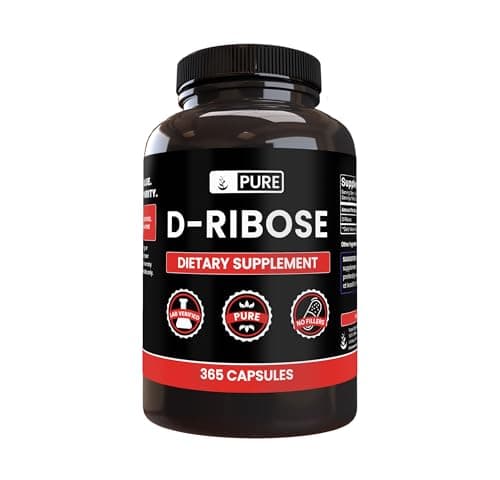
Pure Original Ingredients D-Ribose (365 Capsules) No Magnesium…
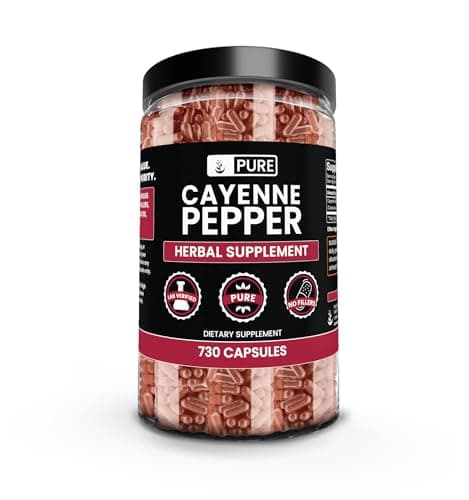
PURE ORIGINAL INGREDIENTS Cayenne Pepper (730 Capsules) No…
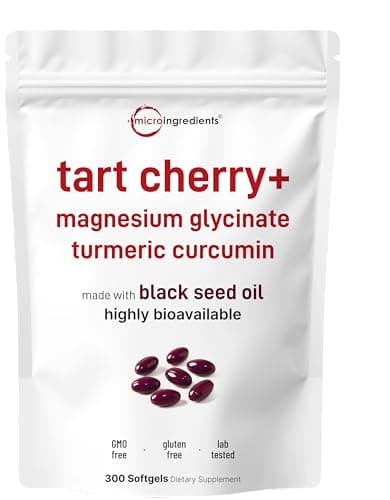
Tart Cherry+ with Magnesium Glycinate & 95% Turmeric Curcumin
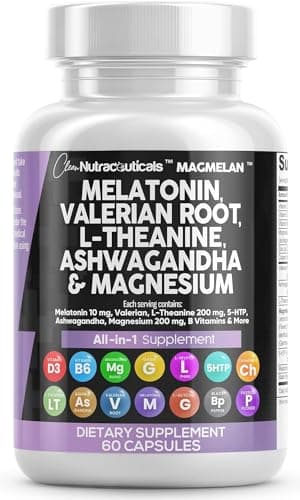
Clean Nutraceuticals Melatonin 10mg Valerian Root L Theanine…
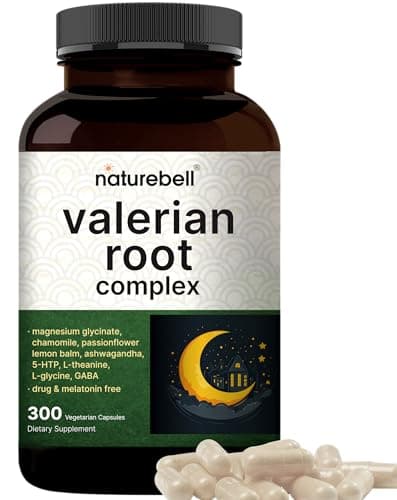
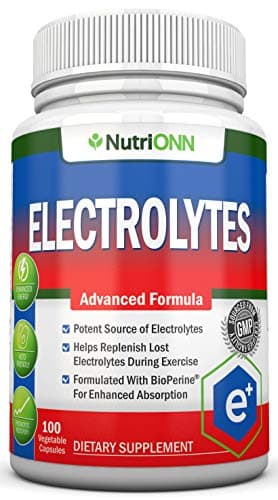
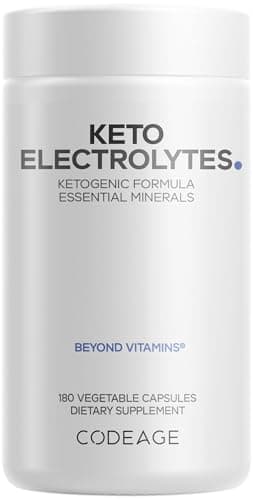
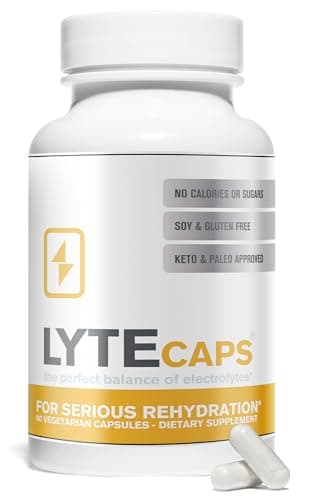
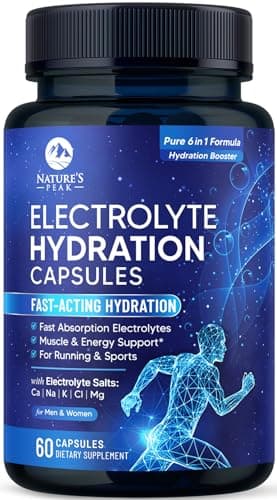
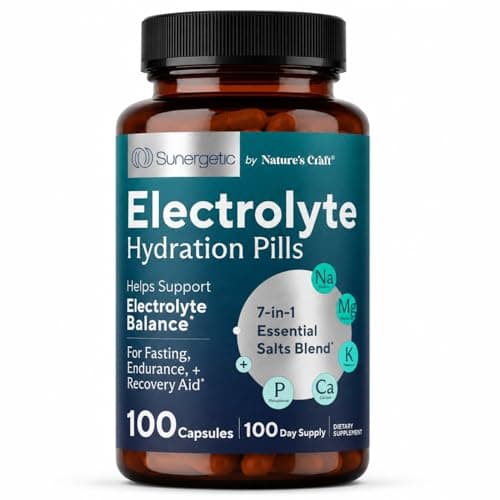
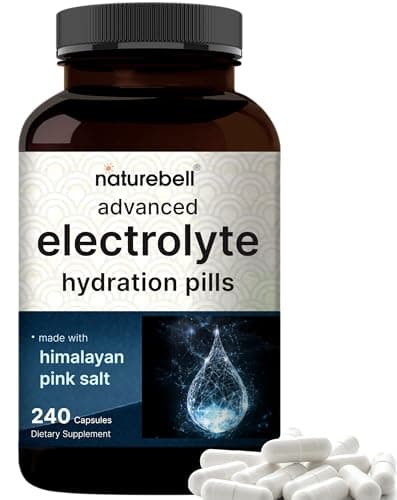
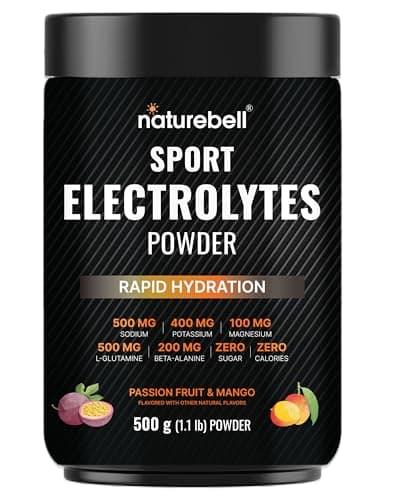
Electrolytes Supplement - 6-in-1 Advanced Hydration Complex…
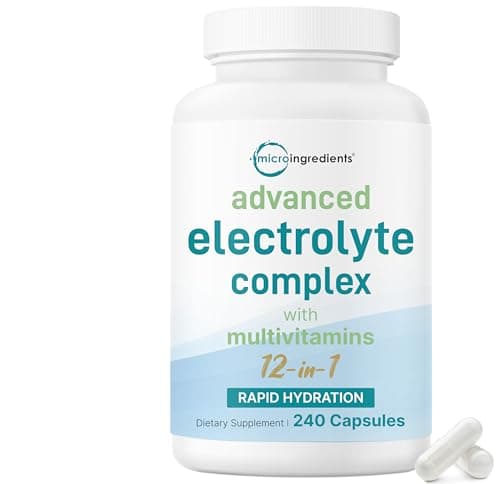
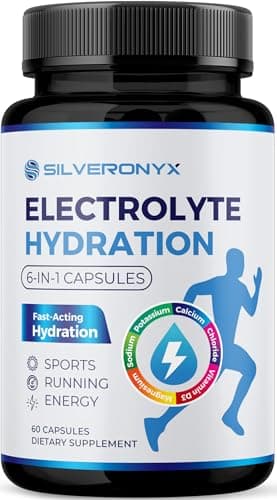
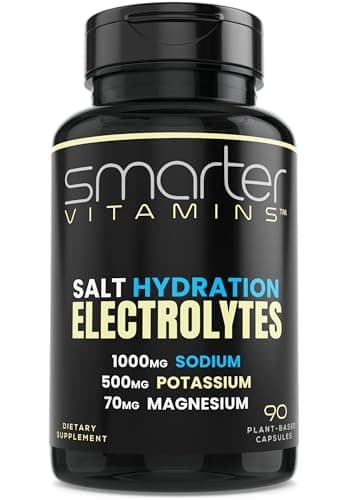

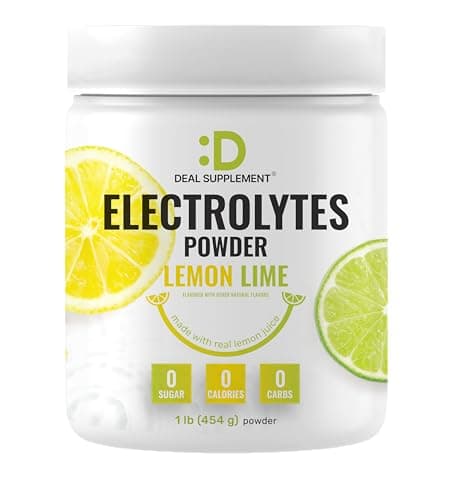
Electrolytes Powder, 1lb (69 Servings) – No Sugar, Lemon Lime…

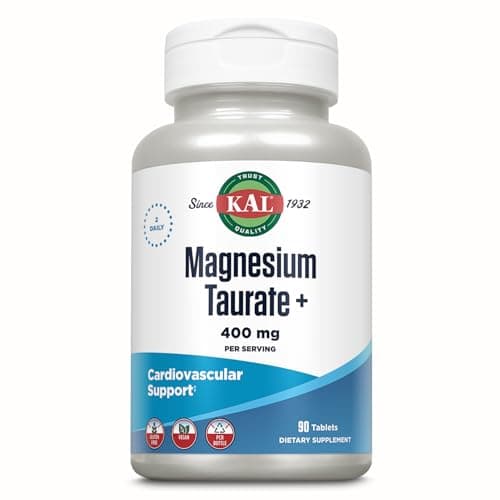
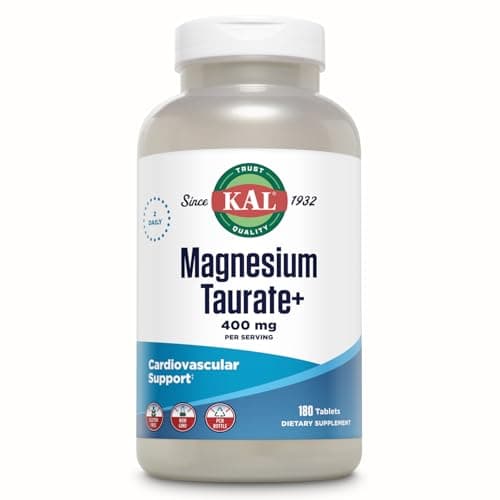
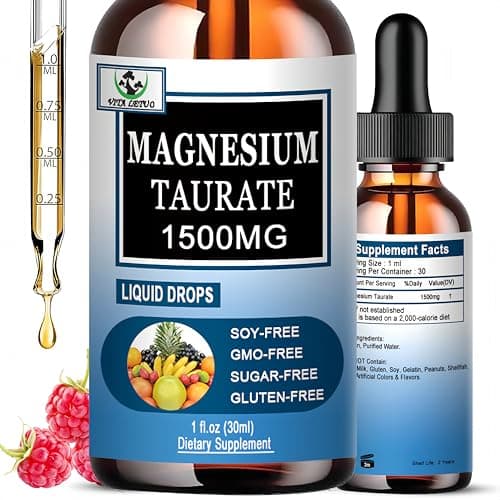
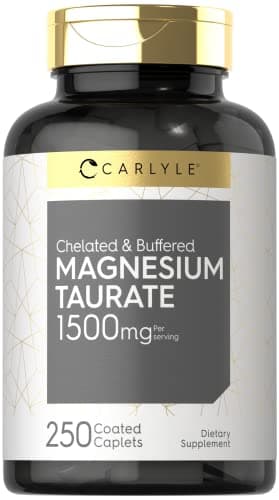
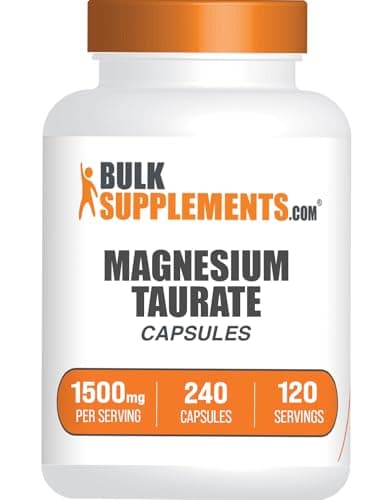
BulkSupplements.com Magnesium Taurate Capsules - Magnesium…
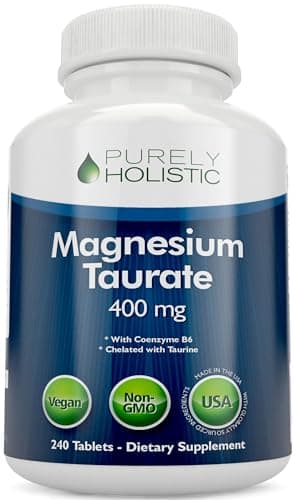
Magnesium Taurate 400MG Elemental Magnesium Per Serving…
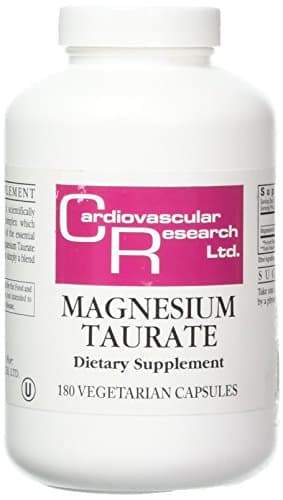
Cardiovascular Research Ecological Formulas Magnesium Taurate…
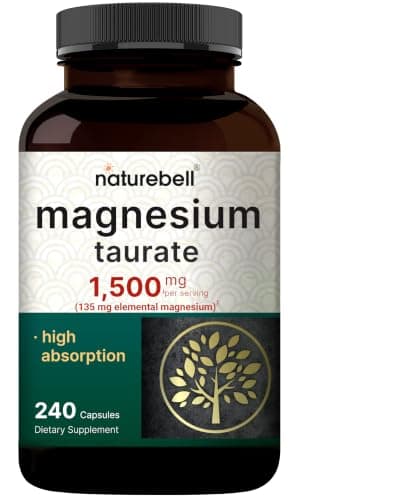
NatureBell Magnesium Taurate - 240 Capsules - 1,500mg High…
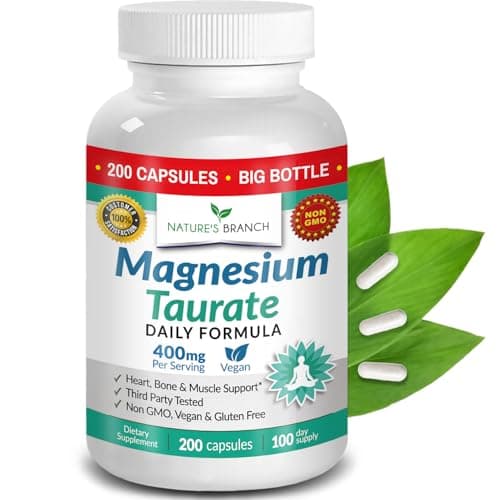
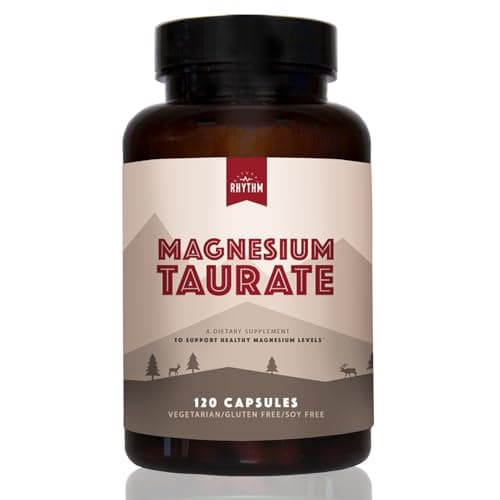
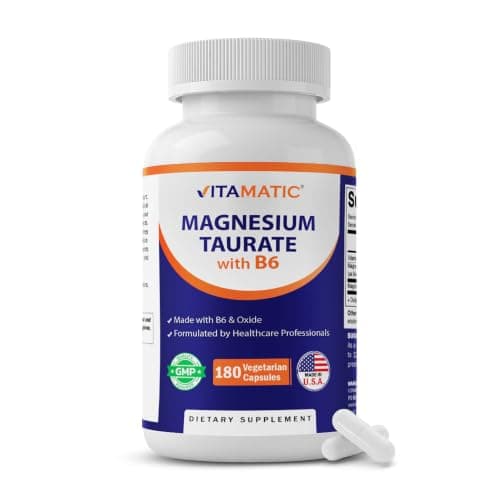
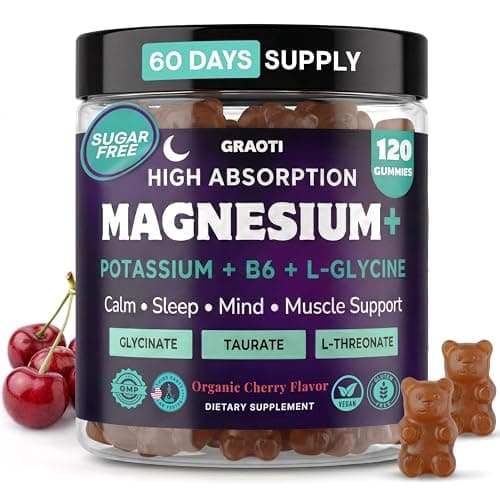
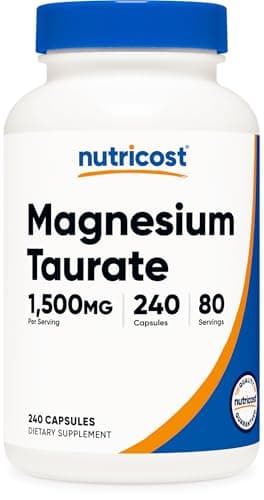
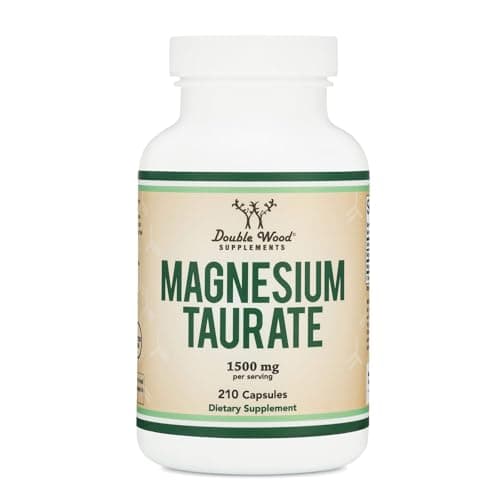
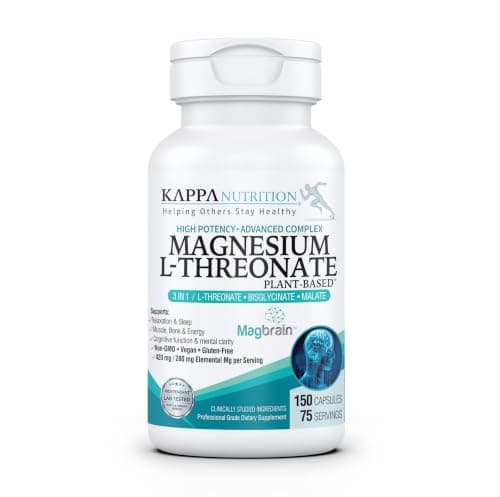
Magnesium L-Threonate Plant-Based 3 in 1 Powered by Magbrain®…
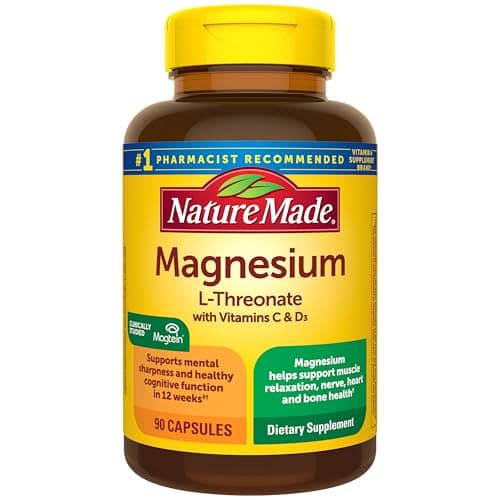
Nature Made Magnesium L-Threonate with Vitamin C & Vitamin D3…
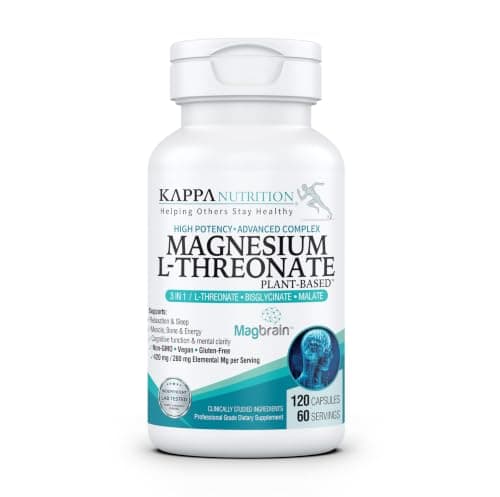
Kappa Nutrition Powered by Magbrain™ Magnesium L-Threonate…
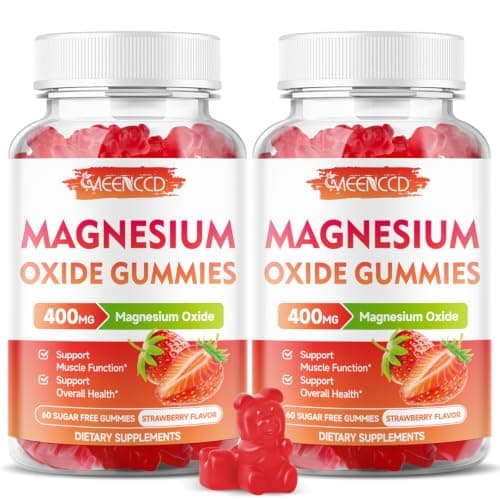
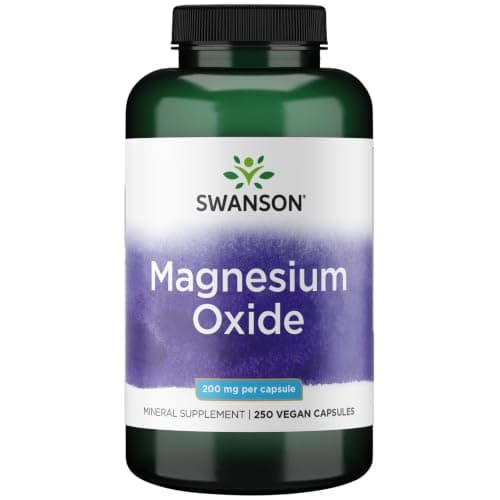
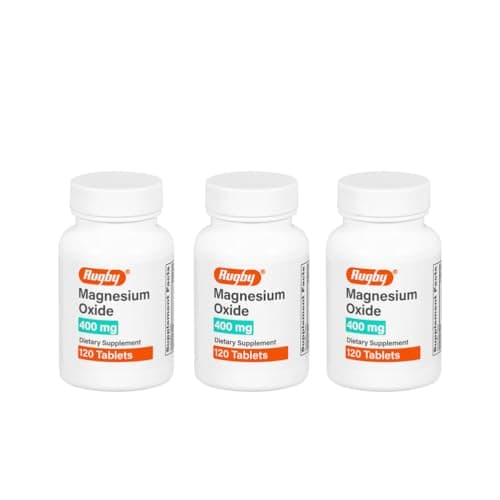
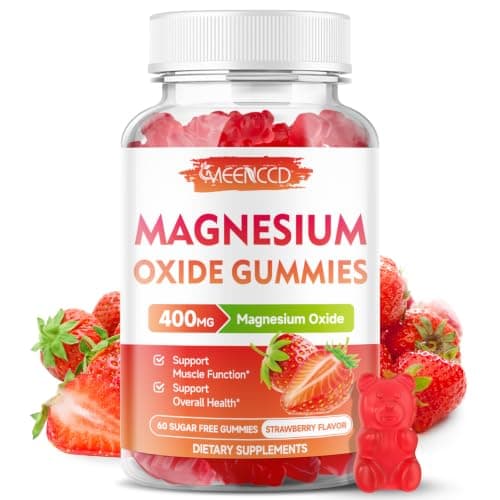
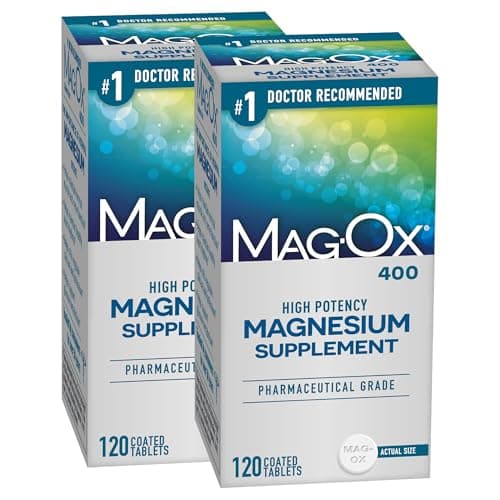

Sports Research® Magnesium Oxide 420mg w/Coconut MCT Oil
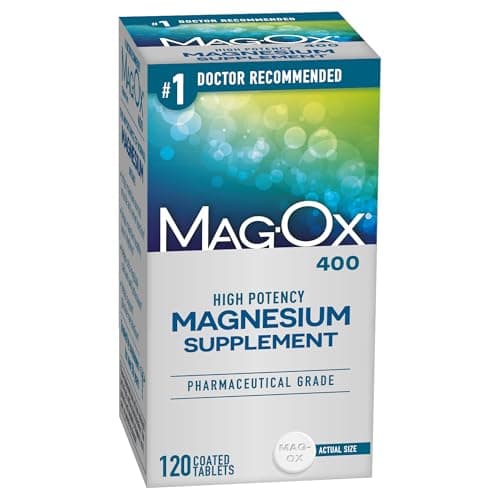

Carlyle Magnesium Oxide 500mg | 120 Capsules | Premium Quality…
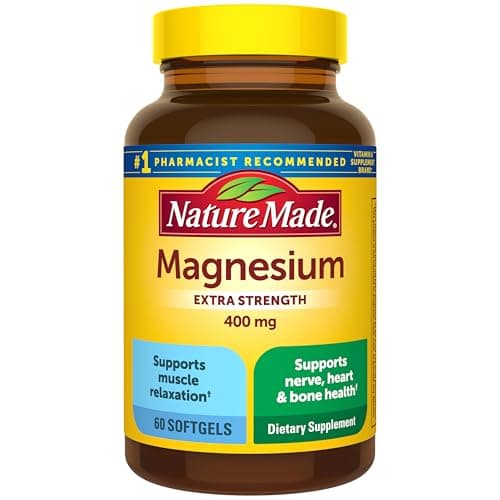
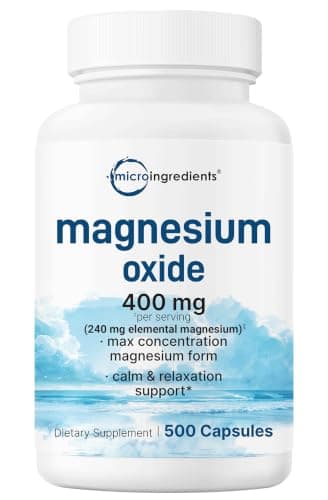
Magnesium Oxide 400mg, 500 Capsules | Elemental Form for Max…
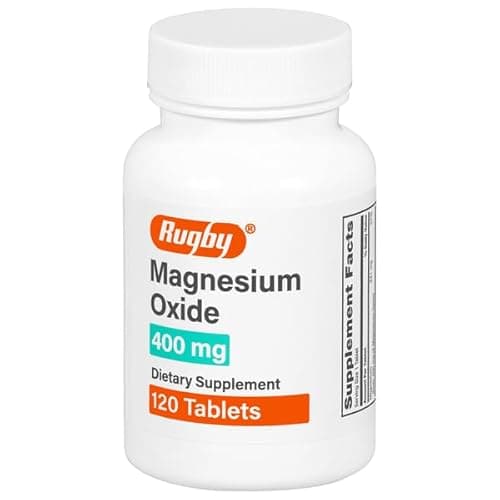
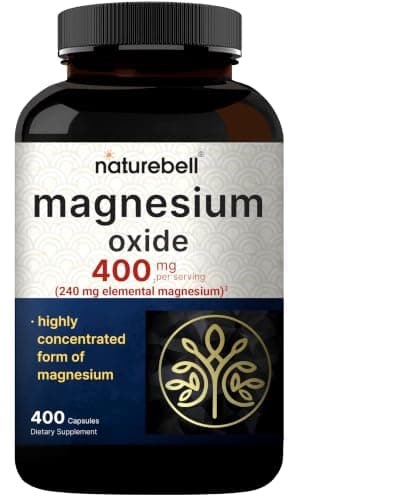
Magnesium Oxide 400mg, 400 Capsules | High Purity Elemental…
![Magnesium 400mg [High Potency] Supplement – Magnesium Oxide…](/_next/image?url=https%3A%2F%2Fm.media-amazon.com%2Fimages%2FI%2F41A9%2BSJ9rLL._SL500_.jpg&w=3840&q=75)
Magnesium 400mg [High Potency] Supplement – Magnesium Oxide…
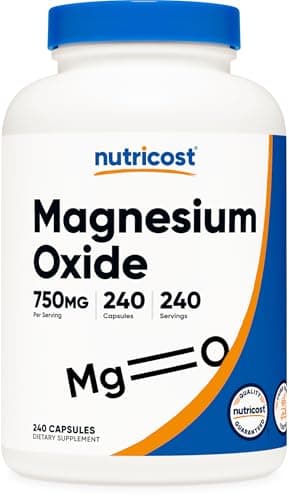
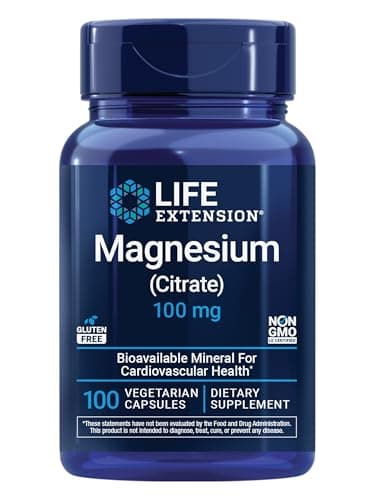
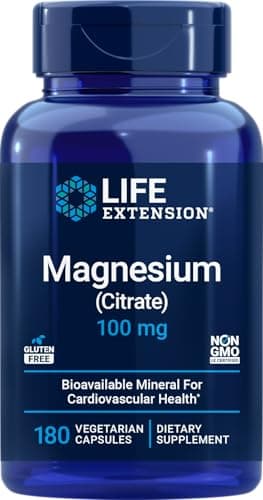
Life Extension Magnesium Citrate 100 mg Vegetarian Capsules
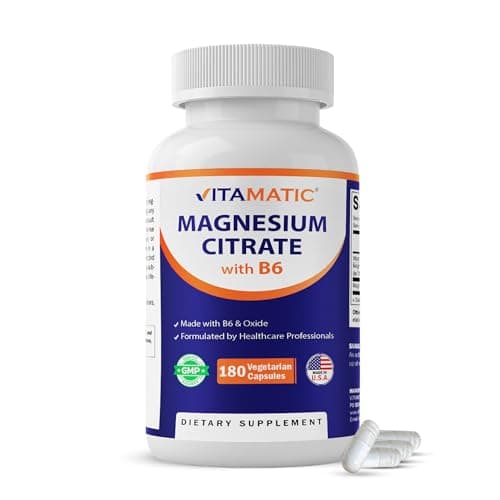
Vitamatic Magnesium Citrate 500mg per Serving - 180 Vegetarian…
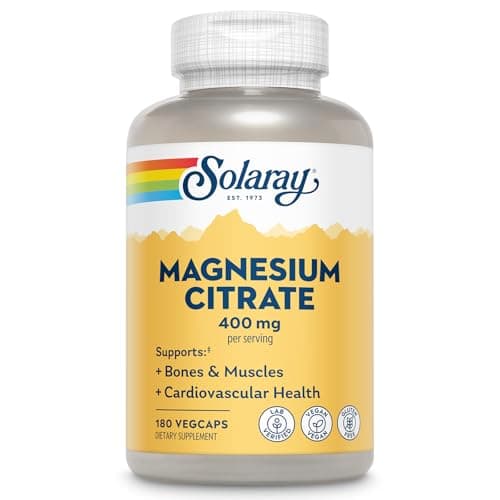
SOLARAY Magnesium Citrate 400mg - Magnesium Supplement - Bone…
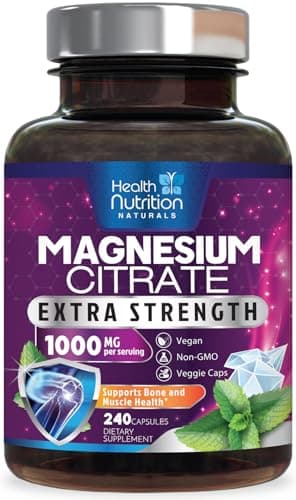
Magnesium Citrate 1000mg Per Serving - Max Absorption…
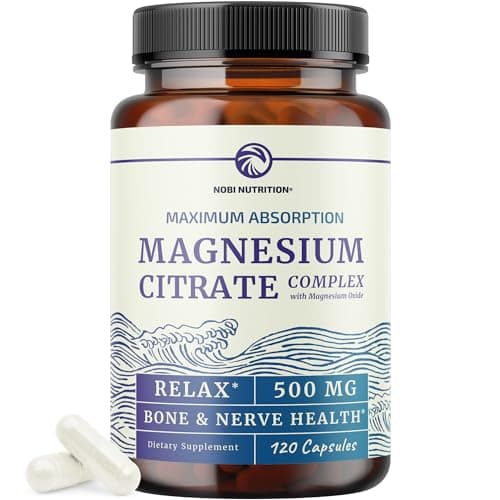


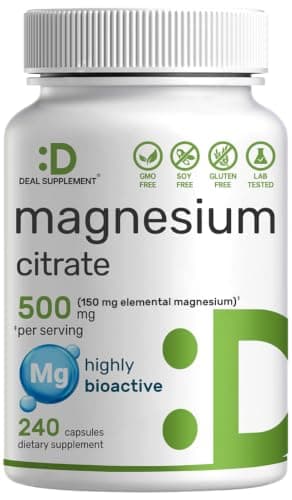

Asc2P 500mg - SuperSmart | Advanced Vitamin C - Magnesium…

Magnesium Orotate 1500mg - SuperSmart | High Absorption…
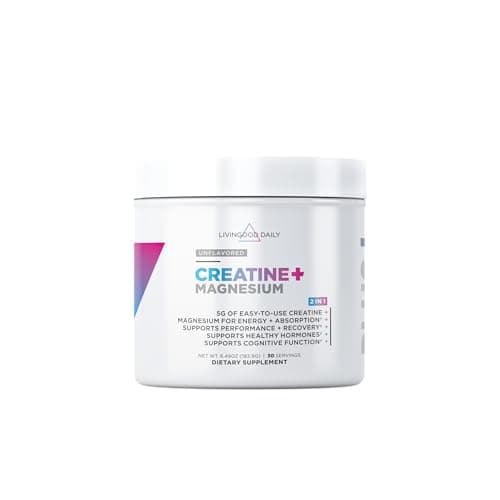
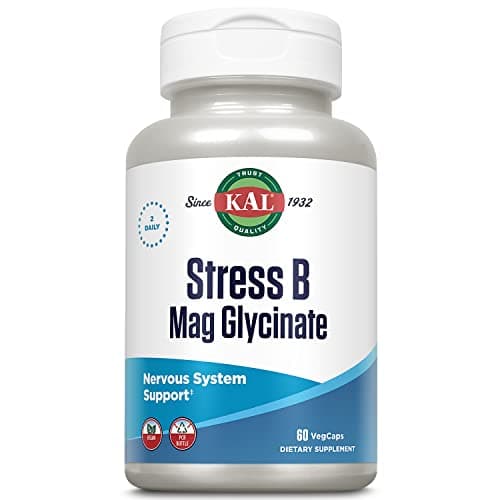
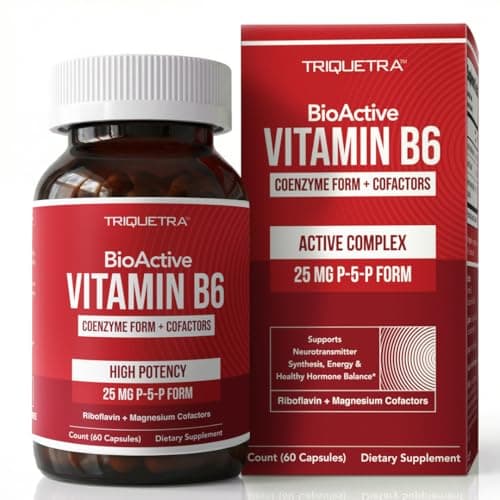
BioActive Vitamin B6 25mg Capsules - Active P-5-P Form…
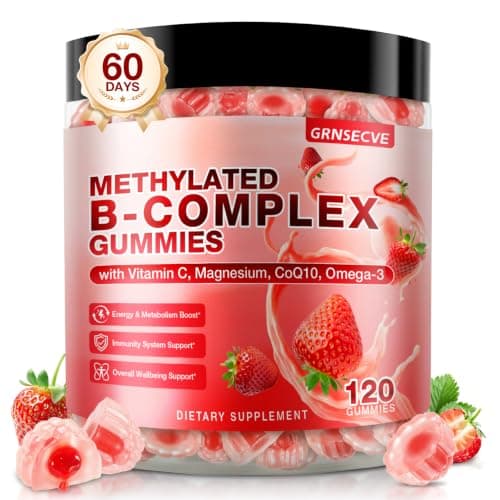
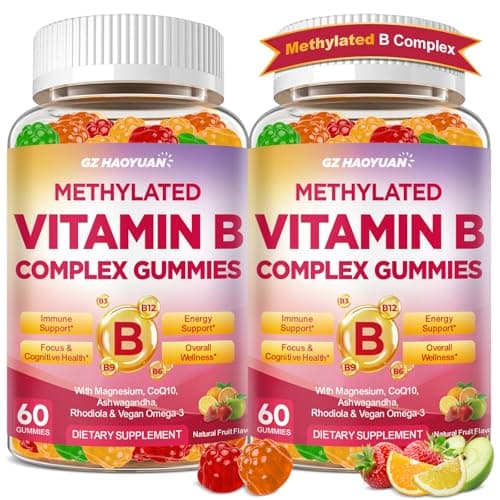
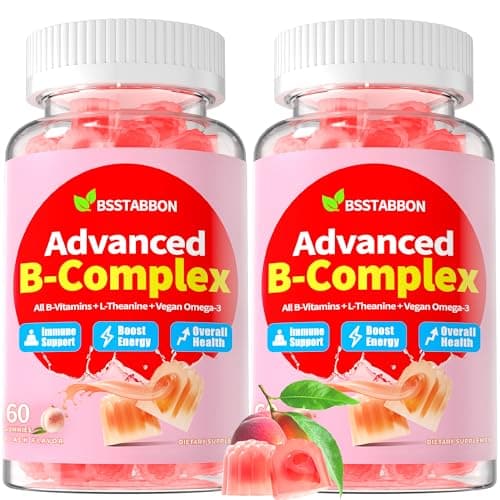
Methylated Vitamin B Complex Gummies: 22-in-1 for Daily Energy…

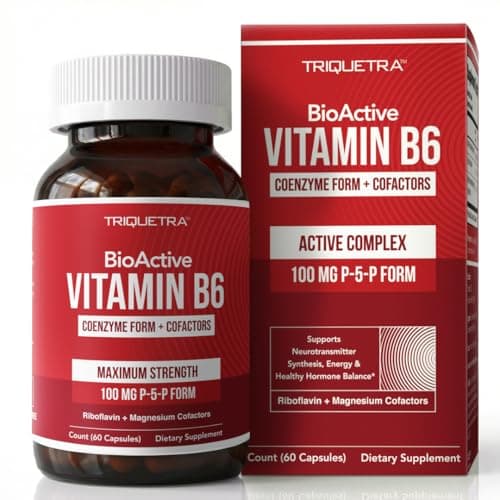
BioActive Vitamin B6 100mg Capsules - Active P-5-P Form…

Vitamin D3 K2 + Calcium Liquid-filled Gummies for Kids & Teens
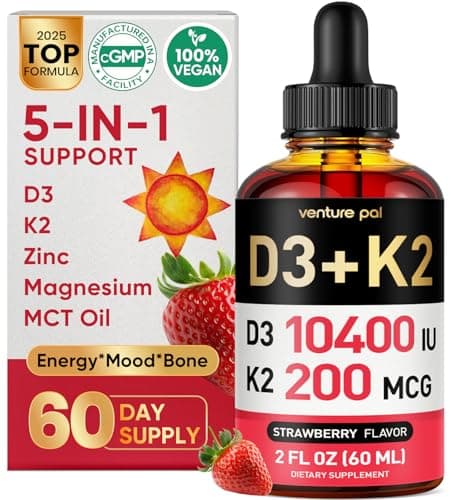
5-in-1 Vitamin D3 K2 Drops - Vitamin D3 10000 IU & K2(MK-7)…
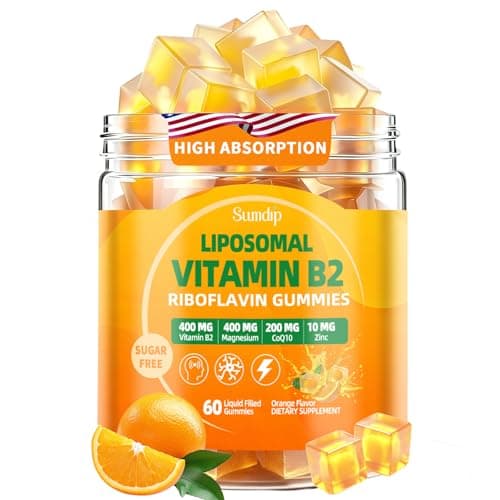

Alafia Naturals The Migraine Gummy - World's First Comfort…
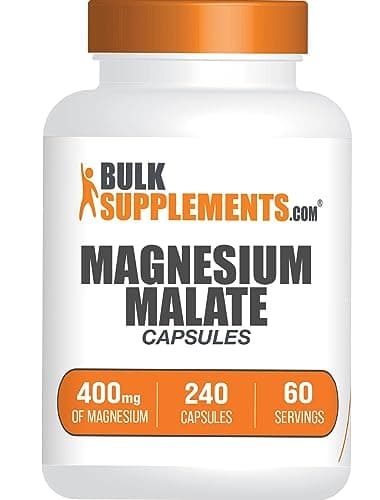
BulkSupplements.com Magnesium Malate Capsules - Magnesium…
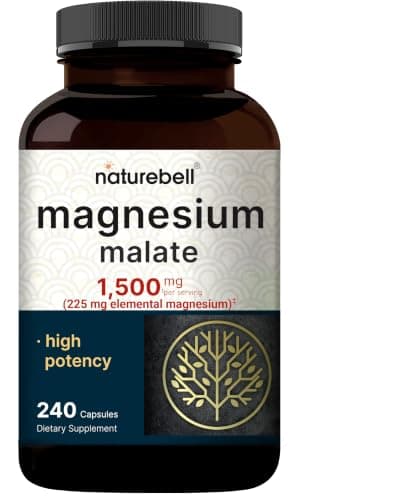
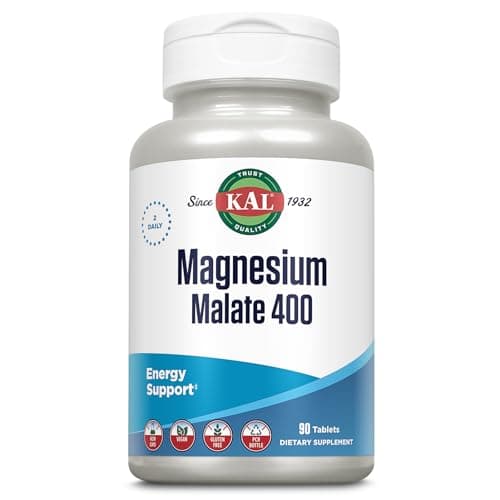
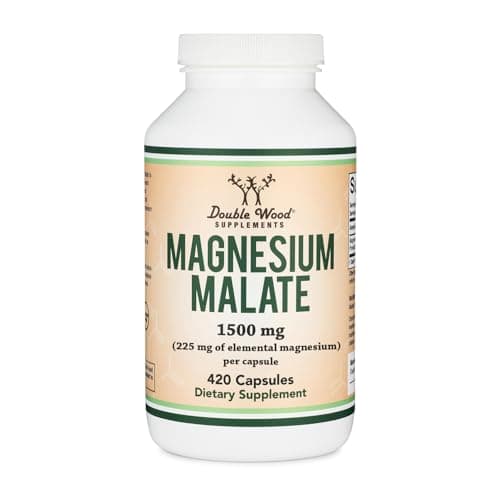
Magnesium Malate Capsules (420 Count) - 1,500mg Per Serving…


Vitamin D3 K2 - Vitamin D3 10000 iu & K2 as MK-7 120 mcg…

240 Count - Coral Calcium 1500mg Capsules - Bone Health…


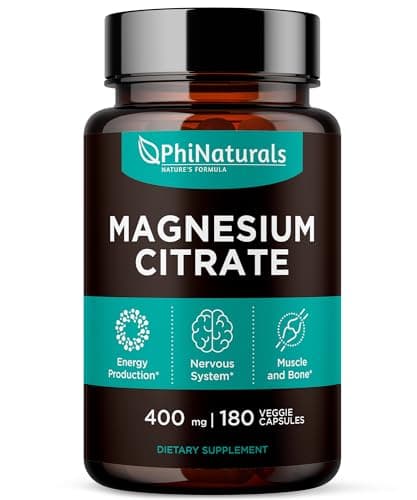
Magnesium Citrate Powder Capsules 400mg - 180 Count Veg Caps…

Magnesium Citrate Capsules 1000mg | High Absorption Supplement…


Country Life Magnesium Citrate 250mg - 120 Tablets - Supports…


Zinc 30mg with Copper, Selenium & Vitamin D3 | 120 Capsules…


Natural Flow Magnesium Glycinate Complex — 200mg Elemental Mg…

Magnesium Complex 420mg with Vitamin D3 K2 - Four Bioavailable…
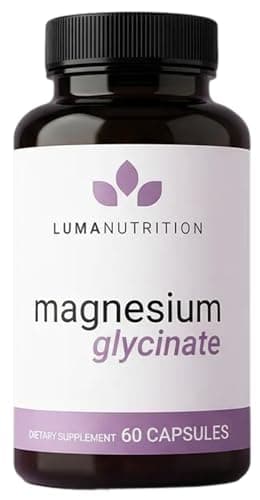
Luma Nutrition Magnesium Glycinate 1000mg - Support Stress

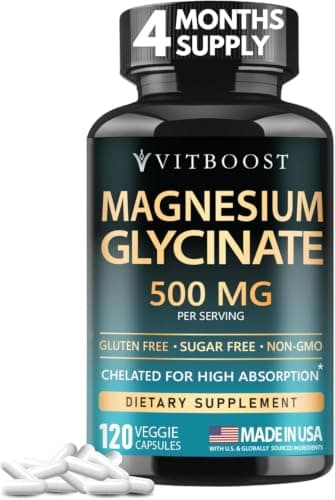
VITBOOST Magnesium Glycinate 500mg - High Absorption Chelated…

Vital Nutrients Triple Magnesium Complex Supplement | Vegan…
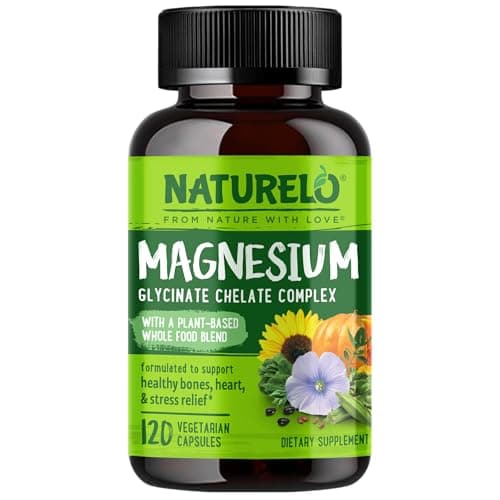


Nature Made Extra Strength Dosage Magnesium Citrate Tablets


Allergy Research Group Magnesium Citrate - Supports Energy…

Jarrow Formulas Magnesium Glycinate Veggie Capsules - 360 mg…
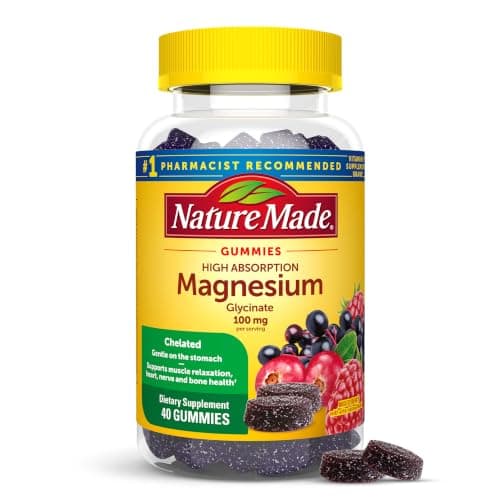
Nature Made High Absorption Magnesium Glycinate Gummies 100 mg…


Magnesium Citrate Complex 500 MG for Constipation & Digestion…

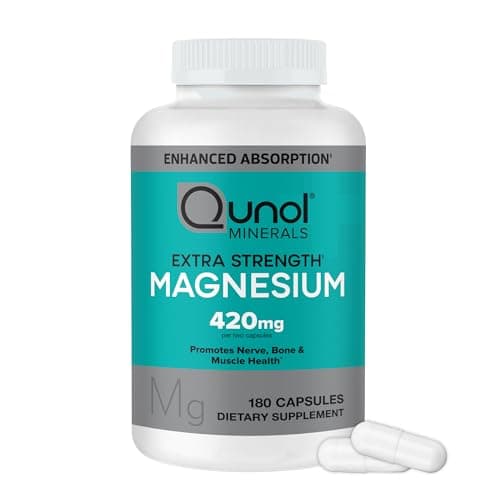

Natural Vitality Calm Magnesium Gummies | 330mg Per Serving…
Every Magnesium deal above is ranked by real cost per dose with no paid placement — see our and .
3 of 106 tracked Magnesium brands here are flagged as carrying independent third-party testing — a voluntary check of a product's identity, potency and contaminants by an outside lab. It's a quality signal, not a value or efficacy claim. Confirm any brand's current status on the official registries:
Testing status is self-reported by the brand or drawn from public certification and may change — always verify on the official registry before purchase.
RDAs depend on age and sex. Adult men need 400-420 mg; adult women need 310-320 mg. Pregnancy is 350-400 mg and lactation 310-360 mg. Children range from 80 mg (1-3 years) to 240 mg (9-13 years); infants have AIs of 30-75 mg. — per the NIH Office of Dietary Supplements; general information, not medical advice.
Yes. The for supplemental magnesium is 350 mg for adults. High supplement or medication doses can cause diarrhea, nausea, and abdominal cramping. Very high doses cause toxicity: hypotension, vomiting, difficulty breathing, irregular heartbeat, and cardiac arrest; fatal hypermagnesemia has occurred. — per the NIH Office of Dietary Supplements; general information, not medical advice.
Early signs include loss of appetite, nausea, vomiting, fatigue, and weakness. As it worsens: numbness, tingling, muscle contractions and cramps, seizures, personality changes, abnormal heart rhythms, and coronary spasms. Severe deficiency can cause hypocalcemia (low calcium) or hypokalemia (low potassium). — per the NIH Office of Dietary Supplements; general information, not medical advice.
Groups at risk of inadequacy include people with gastrointestinal diseases (Crohn's, celiac, regional enteritis), people with type 2 diabetes, people with alcohol dependence, and older adults, who have lower intakes, reduced gut absorption, and increased renal excretion. — per the NIH Office of Dietary Supplements; general information, not medical advice.
We link primary sources and paraphrase their findings — never copy their text, tables, or images. Cost-per-dose figures are our own first-party catalog data.
| ~% elemental |
|---|
| elemental mg per 1,000 mg |
|---|
| magnesium oxide | ~60% | ~600 mg |
| magnesium carbonate | ~29% | ~290 mg |
| magnesium citrate | ~16% | ~160 mg |
| magnesium malate | ~15% | ~150 mg |
| magnesium glycinate | ~14% | ~140 mg |
| magnesium bisglycinate | ~14% | ~140 mg |
| magnesium lactate | ~12% | ~120 mg |
| magnesium chloride | ~12% | ~120 mg |
| magnesium sulfate | ~10% | ~100 mg |
| magnesium taurate | ~9% | ~90 mg |
| magnesium threonate | ~8% | ~80 mg |
| magnesium orotate | ~7% | ~70 mg |
Elemental fractions are from standard molecular weights (rounded); real products vary by hydration and formulation — verify on the Supplement Facts panel.
Magnesium is widely distributed in plant and animal foods and in beverages, with green leafy vegetables (e.g., spinach), legumes, nuts, seeds, and whole grains being good sources; in general, foods that contain dietary fiber provide magnesium, and it is also added to some fortified breakfast cereals. Among the richest selected foods listed are roasted pumpkin seeds (156 mg per ounce, 37% DV), chia seeds (111 mg per ounce), dry-roasted almonds (80 mg per ounce), and boiled spinach (78 mg per half cup) — per the NIH Office of Dietary Supplements.
Groups more likely to be at risk of magnesium inadequacy include people with gastrointestinal diseases (such as Crohn's disease and celiac disease), people with type 2 diabetes, people with alcohol dependence, and older adults. Early signs and symptoms of deficiency include loss of appetite, nausea, vomiting, fatigue, and weakness; as it worsens, numbness, tingling, muscle contractions and cramps, seizures, personality changes, abnormal heart rhythms, and coronary spasms can occur, and severe deficiency can cause hypocalcemia or hypokalemia — per the NIH Office of Dietary Supplements.
Too much magnesium from food does not pose a health risk in healthy individuals because the kidneys eliminate excess amounts, but high doses from dietary supplements or medications often cause diarrhea, nausea, and abdominal cramping. The Tolerable Upper Intake Level (UL) for supplemental magnesium is 350 mg/day for adults — per the NIH Office of Dietary Supplements.
Yes. Magnesium can reduce absorption of oral bisphosphonates and form insoluble complexes with tetracycline and quinolone antibiotics; separate doses by hours. Loop and thiazide diuretics increase magnesium loss, while potassium-sparing diuretics reduce excretion. Long-term proton pump inhibitors can cause low magnesium levels. — per the NIH Office of Dietary Supplements; general information, not medical advice.
The cheapest magnesium we track works out to $0.03 per serving, against a typical $0.18 across the 109 we can price per dose — about $0.91 a month at the cheapest. That is real cost per dose from live Amazon US prices, not the sticker price. The full ranking is on the Best Magnesium page.
Magnesium Oxide 400mg, 500 Capsules | Elemental Form for Max Concentration… at $0.03 per serving — the lowest cost-per-dose magnesium in our catalog. See the full ranking on the Best Magnesium page.
We're tracking 180 active Magnesium deals across Amazon US and partner retailers, ranked by community votes and cost-per-dose — not paid placement.
Across the 109 Magnesium deals we can price per dose (combination products are left out — their single label dose belongs to whichever ingredient the product is built around) the median cost-per-dose is $0.183; the cheapest quartile comes in under $0.087 per serving. Anything below the median is a solid deal for the same molecule.
Deals are submitted by the community and ranked by net votes (hot minus cold) plus cost-per-dose normalised across container sizes. We take no affiliate kickbacks for ordering; sponsored slots, when present, are clearly badged.
Too much magnesium from food does not pose a health risk in healthy individuals because the kidneys eliminate excess amounts, but high doses from dietary supplements or medications often cause diarrhea, nausea, and abdominal cramping. The Tolerable Upper Intake Level (UL) for supplemental magnesium is 350 mg/day for adults — per the NIH Office of Dietary Supplements.
Magnesium is widely distributed in plant and animal foods and in beverages, with green leafy vegetables (e.g., spinach), legumes, nuts, seeds, and whole grains being good sources; in general, foods that contain dietary fiber provide magnesium, and it is also added to some fortified breakfast cereals. Among the richest selected foods listed are roasted pumpkin seeds (156 mg per ounce, 37% DV), chia seeds (111 mg per ounce), dry-roasted almonds (80 mg per ounce), and boiled spinach (78 mg per half cup) — per the NIH Office of Dietary Supplements.
Labels often show the magnesium COMPOUND weight, not elemental magnesium. By weight, magnesium oxide is about 60% elemental while orotate is only about 7% — so a "1,000 mg orotate" product delivers roughly 70 mg of elemental magnesium. Compare the "Magnesium" line in the Supplement Facts panel, not the front-of-bottle number.
Dosage, upper-limit, deficiency, food-source and interaction facts are sourced from the NIH Office of Dietary Supplements Magnesium fact sheet. General information, not medical advice.